


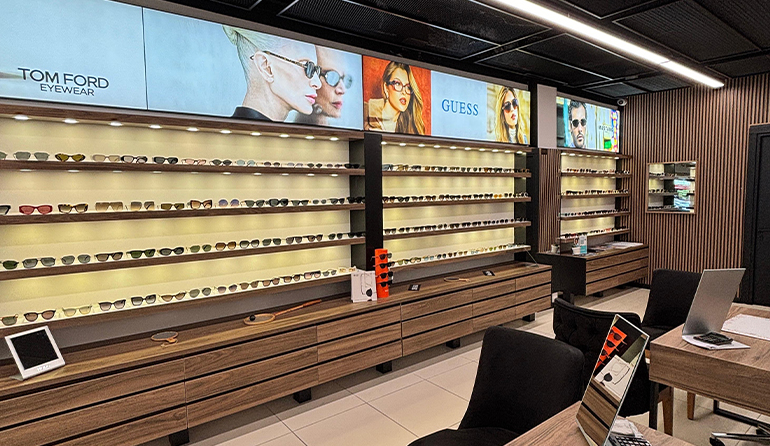
Emre Optik

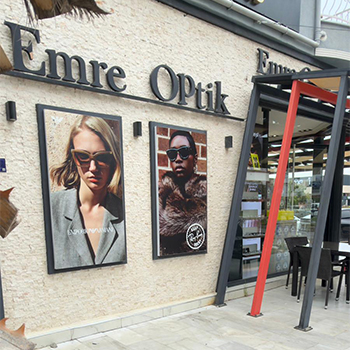
EMRE OPTİK

An Optical Experience Center…

“Thanks to Silmo Istanbul, we have the opportunity to closely follow global optical trends and experience innovations in the sector firsthand.”

Hello Mr. Elmas. Could you please introduce yourself to our readers and share the founding story of Emre Optik?
Hello, I am Ilyas Elmas. The foundations of Emre Optik date back to a family initiative established in Izmir in 1978. At a time when the optical sector had not yet reached today’s level of technical and aesthetic maturity, the need for reliable guidance in selecting the right eyewear was already quite evident. We have never positioned this profession merely as a commercial activity. Instead, we have always approached optics as a field of expertise that directly contributes to quality of life. Over the years, this perspective has evolved into a strong corporate culture shaped by continuity, trust and accumulated knowledge. Today, Emre Optik represents a well established brand identity in the Aegean Region, operating across multiple locations while successfully integrating traditional expertise with a contemporary understanding of optics.

Emre Optik has built a strong retail network across the Aegean Region today. What has been your core strategy throughout your growth journey?
Our approach to growth has never been driven by rapid expansion. Our primary focus has always been to build sustainable trust. In every region where we operate, our main strategy has been to accurately understand customer expectations and deliver high quality solutions that meet those needs. The combination of the right product, the right consultancy and a consistent commitment to quality has played a decisive role in our development. At the same time, we have expanded our portfolio by incorporating global brands, increasing both aesthetic and technical diversity. This has allowed us to establish a balanced and versatile product structure that appeals to different customer segments. We have also chosen to adapt to the dynamics of time and changing conditions. In this context, our recent investments in digitalization have significantly expanded our reach, creating a strong structure that complements the physical store experience. This integration through digital channels has enabled us to establish a more seamless and multidimensional communication with our customers.

Operating in diverse locations such as Didim, Karsiyaka, Foca and Bodrum, how does this variety influence your customer expectations and sales approach?
Each location has its own unique customer profile and aesthetic perception. For this reason, we position each of our stores by taking into account the dynamics of its surrounding environment, adopting a locally responsive structure rather than a standardized approach. In touristic regions, the influence of international visitors brings more diverse and trend driven preferences to the forefront, while among local customers, expectations tend to focus more on functionality, comfort and long term use. For instance, in destinations such as Bodrum, there is a strong demand for style and fashion oriented sunglasses, whereas in more residential areas, everyday comfort becomes a priority. By taking these differences into account, we continuously refine both our product range and in store experience on a micro level, developing a service approach that is tailored to each specific location.

You position Emre Optik as an ‘optical experience center.’ How do you reflect this approach in your in store service processes?
Eyewear is not merely a visual accessory. It is an object that directly influences an individual’s style, comfort and overall quality of daily life. This perspective forms the foundation of all our in store service processes and is reflected at every point of customer interaction. For this reason, we approach our stores not simply as spaces where products are presented, but as multidimensional experience centers. We offer our customers a holistic service that includes frame selection based on facial anatomy, lens recommendations tailored to usage needs and personalized style consultancy. Our goal is to support each customer in making a well informed choice that best suits their needs, while ensuring a highly satisfying and seamless experience throughout the process.

When building your product portfolio, how do you maintain the balance between brand, style, quality and price?
A product’s technical performance is just as important as its aesthetic appeal. For this reason, when curating our portfolio, we pay close attention to establishing a balanced structure between design, durability and comfort. At the same time, by offering alternatives across different price ranges, we make it possible for every customer to access a product that aligns with their expectations. By bringing together different segments in a well balanced way, we create a structure that responds to both accessible and premium demands. This approach enables us to maintain a strong balance between accessibility and quality, which is central to our brand identity.

Which optical and sunglasses brands perform best in your stores?
The sunglasses category stands out as a high demand segment, particularly under the influence of seasonal dynamics. The increased activity during the summer months makes our product variety and stock management in this category more dynamic. At the same time, optical frames and advanced lens solutions also hold a significant place within our portfolio. International brands such as Ray-Ban, Persol, Prada and Miu Miu are frequently preferred by our customers. In addition, by offering a well balanced product range across different price segments, we continue to appeal to a broad customer base. Our product diversity stands out as a key factor that both strengthens brand loyalty and supports new customer acquisition.

How do you support this wide product diversity across different segments through your stock management?
The optical sector is highly dynamic, with trends evolving rapidly. This requires a flexible structure in stock planning that allows for quick and effective decision making. For this reason, a data driven approach to stock management plays a critical role. We regularly analyze sales data and closely monitor regional differences in demand. At the same time, we take into account seasonal fluctuations and product level performance, actively reshaping our stock distribution accordingly. Based on these insights, we periodically revise our collections to maintain alignment with current trends while optimizing stock efficiency in a more controlled and effective manner. Our goal is to establish a balanced stock structure that ensures product availability while minimizing unnecessary inventory load.

You expanded your physical retail experience into digital platforms in 2014. Could you share how online sales have contributed to Emre Optik?
Digitalization marked a significant turning point in the development of our brand. This step went beyond simply creating a new sales channel and substantially strengthened both our reach and our communication capabilities. Through our online sales platform, we have been able to move beyond geographical limitations and connect with a broader customer base across Türkiye. Being able to offer the same level of service quality to customers in different cities has reinforced our brand perception on a more consistent and reliable foundation. At the same time, digital platforms allow customers to explore products in greater detail and gain deeper insight into the brand, creating a structure that complements the in store experience. Through this integration, we have succeeded in delivering a seamless journey between physical stores and digital channels, making customer satisfaction more sustainable.

How would you define your service approach during and after the sales process?
The optical sector is inherently built on trust. For this reason, we do not view the sales process as a single transaction, but rather as the beginning of a long term relationship. Customers expect accurate guidance when choosing a product they will use for an extended period. At this point, we place great importance on making the process more informed and secure through careful needs analysis, clear communication and personalized recommendations. Transparency, accurate product guidance and strong after sales support form the foundation of our business model. Following the purchase, we continue to support our customers through services such as maintenance, adjustments and technical assistance. The fact that our customers return to us years later is the strongest indication of the relationship we have built.

What are your thoughts on the development of the Silmo Istanbul Optical Fair and its contributions to the industry?
Silmo Istanbul Optical Fair stands out as one of the most important meeting points in the optical sector. It is a powerful platform where new collections are showcased, trends are shaped and industry professionals come together. Thanks to Silmo Istanbul, we have the opportunity to closely follow global optical trends and experience innovations in the sector firsthand. We also find it highly valuable that the fair increasingly focuses on professional education through initiatives such as the Silmo Istanbul Academy, and that it supports and encourages industry professionals through awards like the Silmo Award Istanbul.

Thank you for your time. Finally, we would love to hear your thoughts on 4 your eyes.
We believe that publications that enhance the flow of information within the optical sector hold significant value. Platforms such as 4 your eyes serve as an important reference point for both industry professionals and readers with an interest in optics. We believe that such initiatives will continue to contribute to the development of the sector, and we would also like to extend our thanks for this interview.

May 2026

Ørgreen Optics

Ørgreen Optics

Uncompromising Stance Inspired by Copenhagen

We present an an engaging interview with Ørgreen’s Head of Design Martin Guentert, who joined the Danish brand in 2024, offering insights into his design approach and vision for the brand’s future.

Founded in 1997, Ørgreen Optics has consistently followed its own path. The independent brand is defined by its confident use of colour, its strong Danish design heritage, and a quietly uncompromising approach to innovation. Rooted in the rhythm of Copenhagen life, Ørgreen creates eyewear that feels both timeless and unmistakably contemporary. Precision-crafted in Japan, each frame reflects a careful balance of clean lines and understated confidence, designed with longevity in mind. This commitment extends beyond aesthetics. Ørgreen’s collections are built around long-term value, offering a considered range of sizes and shapes that respond to the needs of diverse markets while remaining true to the brand’s core identity. At the centre of this approach lies a strategic concept: rotation. Bestselling styles are continuously reinterpreted through evolving colourways and subtle material developments. This allows opticians to maintain continuity while offering renewed relevance, presenting familiar frames that still feel fresh. Colour, in this context, goes beyond visual appeal. It becomes a functional tool, creating meaningful choice at the point of sale without overwhelming the assortment. Rather than chasing rapid turnover, Ørgreen embraces a more thoughtful, design-led evolution. This philosophy has gained a new dimension since the arrival of Martin Guentert, who joined the brand in 2024 to further sharpen its creative direction and future vision. Trained as an industrial designer, Martin Guentert is the Head of Design at Ørgreen Optics. With more than 16 years of experience shaping the eyewear industry, he brings a distinctive perspective that merges technical innovation with a refined design sensibility. Known for his pioneering work in laser-sintering techniques, Guentert stands among the leading product designers in the optical world today. In this interview, he shares his current approach to design at Ørgreen Optics and reflects on the evolving direction of one of Denmark’s most distinctive premium eyewear brands.

When you joined Ørgreen in 2024, you spoke about making the brand future-ready through innovation. How has your production direction evolved so far?
When I joined, Ørgreen already stood for strong expertise in colour and design, as well as the highest standards in product and service. While our titanium lines remain our core, we have expanded the range with collections such as Acetate Cut, featuring a flex hinge, and Quantum High, where we explore more sculptural shapes with models like Megahertz. Last autumn, we introduced Nyhavn, a new family of frames. By working with stainless steel and a simple monocolour concept, we were able to incorporate a feature hinge while maintaining an entry price point. It speaks to a slightly younger audience and opens the brand to new clients. At the same time, we are sharpening our product identity alongside a broader brand overhaul, which is now becoming visible across everything we do. Looking ahead, a stronger focus on sunglasses will further shape the brand, and we will also be introducing new developments in titanium this year.

You have built a remarkable career in eyewear design, from Mykita to Ørgreen. How did your journey begin?
I studied industrial design. During my studies, I completed an eyewear project that was exhibited in Berlin and discovered by the founders of Mykita. They invited me to join them, which gave me the opportunity to specialise, experiment, and grow within the field. After 16 years, it felt like the right moment to begin a new chapter in a new city, and I took on the role of leading the design team at Ørgreen. While my background is rooted in general industrial design, I never felt the desire to return to it. The longer I work in eyewear, the more compelling it becomes.

What makes eyewear such a compelling product from a design perspective?
Eyewear sits at the intersection of fashion, medical function, and personal expression. At the same time, it is designed for one of the most sensitive areas of the human body, the eyes. Balancing respect for the wearer with technical expertise and brand identity is a complex challenge. We are not saving lives, but we create everyday companions that help people see better and express who they are. It is an inherently intimate product.

Which materials excite you today, and where do you see the future of eyewear design heading?
I am particularly drawn to additive manufacturing. I had the opportunity to pioneer 3D printing in eyewear back in 2011, and it continues to evolve. Despite its limitations, it remains one of the most direct ways to translate an idea into form, and it is a field where incremental improvements happen constantly. Smart eyewear is developing in interesting ways, but it is not yet fully integrated into everyday life. More research and development is needed before it can reach a broader audience. At the same time, the industry must place greater emphasis on sustainability, especially in addressing pre-consumer waste. Encouraging stronger solutions in this area is a shared responsibility for both designers and consumers.

What are the key directions in eyewear for 2026, and how are they reflected in Ørgreen’s collections?
I do not spend much time on trend research. I tend to rely on intuition, my team, and our own data. At Ørgreen, you will see a stronger focus on sculptural detailing across sheet titanium, acetate, and 3D printing. Well-placed chamfers and surface refinements can elevate even the simplest cut. At the same time, with Nyhavn, we are exploring reduction, offering designs that focus purely on outline and colour.

Do you prefer bold colour or a more minimal palette, and how are customers approaching colour today?
There is no single formula. It is not about choosing between bold or minimal, but about creating a clear and meaningful connection with the wearer. What matters to me is clarity and emotion. A minimal design can gain depth through colour, even if it is applied subtly, such as on the inside of a frame. At the same time, colour alone cannot compensate for weak design. Personally, I tend to favour a monocolour approach.

Outside of work, what inspires you and does it influence your design process?
I have a strong appreciation for food, and Copenhagen offers an incredible scene. I enjoy turning meals into a personal reward and a shared experience. I also like to keep a craft project going at all times. Costume making is something I return to frequently, combining different techniques from electronics to sculpting and sewing. I am particularly drawn to character design and the reactions it creates, and this definitely feeds back into my work.

Looking at eyewear history, which designers or creations have influenced you the most?
There are, of course, iconic designs in eyewear, but I tend to look beyond the industry. Focusing only on eyewear can easily lead to repetitive and referential ideas. Jasper Morrison has been a significant influence on me as an industrial designer. More recently, I have been exploring Danish designers such as Finn Juhl and Grete Jalk to better understand the design tradition that Ørgreen is part of.

Source: Eyestylist

May 2026

Ic! Berlin

30-Year Signature in Steel

Ic! Berlin

Widely recognized for its expertise in stainless steel eyewear and its patented screwless hinge, German brand ic! berlin marks its 30th anniversary with a dedicated capsule collection and a striking campaign.

ic! berlin has never needed excess to make a statement. For three decades, the Berlin-based brand has built its reputation on precision, restraint, and a radical commitment to engineering purity. Now, as it marks its 30th anniversary, ic! berlin does what it does best. It refines, sharpens, and elevates its core language through a tightly curated collection that connects past and future with quiet confidence. Marking three decades of radical design thinking and uncompromising engineering, ic! berlin’s 30th anniversary collection arrives not as a retrospective, but as a confident continuation of a design philosophy that has always resisted convention. Rooted in Berlin’s culture of reinvention, the collection channels the brand’s signature clarity of purpose into a tightly edited yet conceptually rich capsule that bridges heritage and forward-thinking innovation.

Stainless Steel in the Spotlight
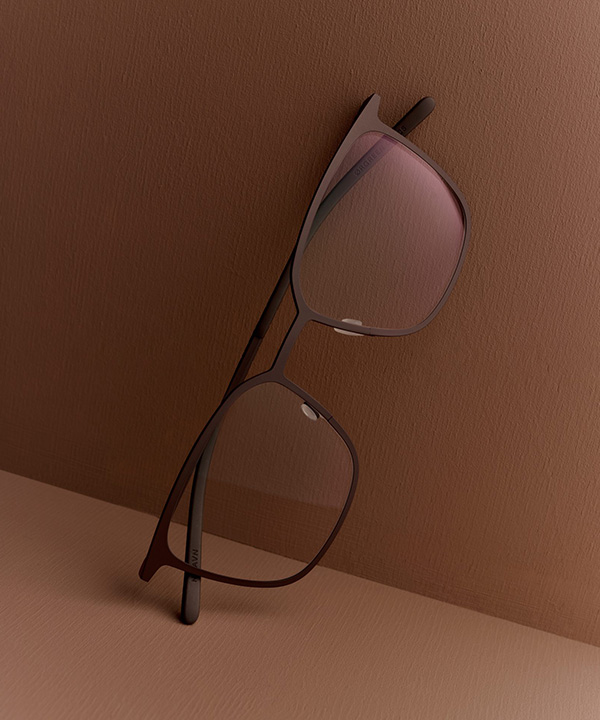
At its core, the anniversary release is an exercise in reduction and refinement. Rather than overwhelming with novelty, ic! berlin leans into its most defining strength: the purity of material and construction. Stainless steel, cold-rolled to achieve both resilience and remarkable lightness, once again takes center stage. The brand’s iconic screwless hinge, still unrivaled in its precision and durability, remains the silent hero across the collection, delivering a seamless fusion of engineering and aesthetics. The capsule itself is built around a thoughtful dialogue between past and future. Four heritage-inspired models, Leif, Wanda, Oli the 2nd, and Pina, reintroduce the silhouettes that helped define the brand’s visual language, while two new designs, Sodium and Xenon, push that language into a more contemporary, technically expressive territory. This interplay creates a rhythm within the collection: familiar yet reinterpreted, restrained yet forward-moving. A defining visual anchor of the collection is its commitment to the essence of steel. Eschewing excessive coatings or artificial finishes, ic! berlin embraces natural treatments that elevate the intrinsic beauty of polished metal. The result is a surface quality that feels honest and enduring, allowing the material itself to age gracefully alongside the wearer. This approach reflects a broader design ethos: eliminate the unnecessary, celebrate the essential. Within this refined framework, the introduction of Transformative Teal injects a subtle yet striking layer of expression. Positioned between blue and deep green, the shade carries a duality that mirrors the collection’s intent, calm yet energetic and grounded yet directional. It is not merely a color choice, but a narrative device, symbolizing change, evolution, and the quiet confidence of a brand that knows exactly where it stands. This chromatic identity extends seamlessly into the lenses. Photochromic technology, carefully matched to the Transformative Teal tone, enhances both functionality and visual cohesion. The lenses transition effortlessly between indoor clarity and outdoor protection, reinforcing the idea of adaptability without disruption. It is a detail that speaks directly to ic! berlin’s understanding of real-world wearability: intelligent design that responds intuitively to the user’s environment.

Styles Celebrating 30 Years
Rather than leaning on nostalgia, ic! berlin focuses on clarity in the designs featured in its 30th anniversary capsule. In the sun category, each model carries a distinct personality while remaining firmly anchored in the brand’s minimalist Dna. Oli the 2nd revisits a beloved silhouette with a sport-driven edge, where the interplay of stainless steel and photochromic lenses underscores its dynamic character. Pina, by contrast, introduces a more expressive sensibility, its rounded front softened by a delicate brow-like metal detail and nuanced color transitions that add emotional depth. Xenon, one of the collection’s new entries, distills the concept of minimalism to its purest form. Its rectangular structure and flat profiles emphasize material integrity, while the refined temple design adds a quiet sophistication. The optical segment continues this narrative with equal precision. Leif stands out with its assertive lines and robust construction, amplifying the technical clarity of the screwless hinge system. Wanda offers a more fluid interpretation, balancing boldness with femininity through its interplay of shapes and thicknesses. Meanwhile, Sodium introduces a distinctly modern perspective, defined by its purposeful geometry and double-thickness front that lends architectural depth to the frame. Each model reflects a different facet of ic! berlin’s design intelligence, yet all remain unmistakably part of the same language. Through every style in the capsule, the brand demonstrates that true innovation is not only about reinventing from scratch, but also about taking what works and pushing it further.

I See Berlin: Capturing the City’s Spirit
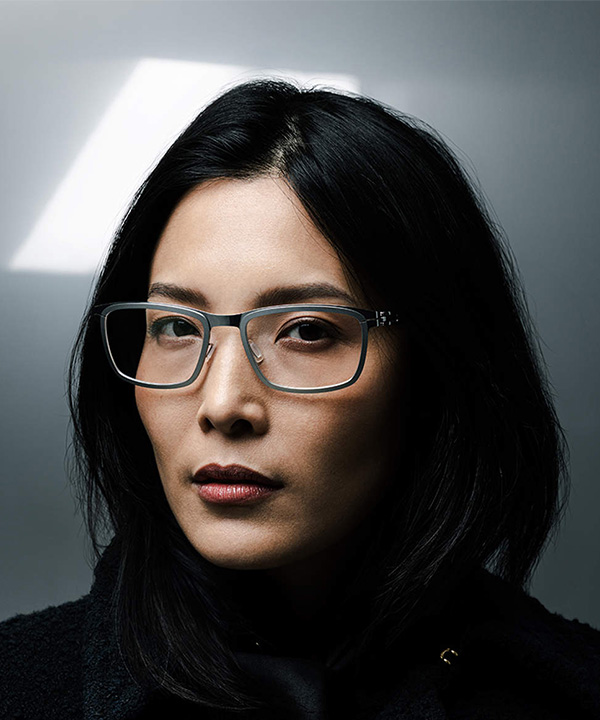
The brand’s 30th anniversary gains meaning not only through its special capsule, but also through the powerful visual narrative of the ‘I See Berlin’ campaign. Moving beyond a conventional brand story, the campaign places Berlin’s ever-evolving, restless spirit at its core. Created by visual storyteller Tarek Mawad, I See Berlin brings together striking portraits that blur the line between documentary and artistic interpretation. Each frame captures not only faces, but also attitudes, identities, and layered personal stories with a compelling sense of expression. Artists, performers, and thinkers appear not as brand ambassadors, but as natural extensions of Berlin’s cultural pulse. From legendary nightlife figure and photographer Sven Marquardt to Michelin-starred chef Dalad Kambhu, the cast reflects the many layers of the city’s creative identity. Rather than polished perfection, I See Berlin embraces a raw and unfiltered sense of individuality, portraying a vibrant city defined by contrasts, resilience, and constant reinvention. Digital animation layers, created in collaboration with artist Leif Podhajsky, add a further dimension, referencing Berlin’s alternative art and cultural scene. Subtle distortions and fluid transitions within the frames draw the viewer in, making each image more immersive. Within this dynamic and ever-shifting structure, ic! berlin eyewear is positioned not merely as a product, but as both a tool and a metaphor, functioning as a lens through which the city can be seen, interpreted, and redefined. Bringing product, place, and perspective together within a cohesive narrative, the campaign demonstrates that ic! berlin continues to carry the dynamic and inspiring spirit of the city with the same deep commitment it has maintained for 30 years.

May 2026

4 Major Factors That Lead To Pterygıum!

Eye redness that may seem harmless can actually be an early sign of a progressive condition that may eventually lead to vision loss. Experts warn that sun exposure, dust, wind and prolonged screen time can all increase the risk. Persistent eye redness should never be ignored.

Growth of tissue on the eye, medically known as “pterygium,” has become increasingly common among eye diseases in recent years. Although often considered harmless, pterygium may progress silently and lead to serious consequences if left untreated. The condition typically first appears with redness and bloodshot eyes. Ophthalmology Specialist Dr. Tolga Birgül explains, “Pterygium is usually noticed through intense redness in the inner corner of the eyes near the nose. Patients often recognize it themselves while looking in the mirror or after people around them point it out. Over time, this tissue may extend over the cornea and obstruct the visual field. Although it may initially appear to be a simple redness or bloodshot appearance, it can eventually lead to vision loss if it progresses. For this reason, persistent eye redness should always be evaluated by a physician.” Dr. Tolga Birgül states that patients with pterygium often describe their complaints with expressions such as, “It feels like there is a grain of sand in my eye,” or “People keep asking me why my eyes are so red, whether I did not sleep enough or drank alcohol.” However, he emphasizes that these symptoms may often be caused by tissue growth on the eye. Ophthalmology Specialist Dr. Tolga Birgül discussed four major factors that contribute to pterygium and shared important warnings and recommendations regarding its symptoms and treatment.

Sunlight and ultraviolet exposure
One of the most important factors in the development of pterygium is prolonged exposure to sunlight. Research shows that pterygium is seen more frequently in individuals who are exposed to intense sunlight for extended periods.

Environmental irritation
Environmental factors including dust, sand and wind increase the risk, especially among people who work outdoors. Frequent exposure to dust, sand and foreign particles may continuously irritate the ocular surface, causing chronic irritation. Over time, this irritation can lead to thickening of the tissue (conjunctiva) and create the conditions for tissue growth extending toward the cornea.

Chronic dry eye
Prolonged use of computer and phone screens may also lead to dry eye. Ophthalmology Specialist Dr. Tolga Birgül states, “We encounter this condition more frequently, especially in people who spend long hours in front of a computer without taking proper eye breaks and in those who spend extended periods looking at phone screens. Insufficient moisture on the ocular surface may also facilitate the development of pterygium.”

Natural Tendency Toward Dry Eye
In some individuals, the ocular surface may naturally be more sensitive and have difficulty maintaining proper moisture balance. This condition may cause the eye surface to become more easily irritated by external factors. When adequate moisture cannot be maintained, the eye’s protective layer weakens and the conjunctival tissue may gradually thicken and extend toward the cornea. In people experiencing dry eye, this process may be triggered more easily, increasing the risk of developing pterygium.

Pay attention to these symptoms!

  • Persistent redness and bloodshot appearance in the eyes
  • Burning, stinging and tearing sensations
  • A raised tissue growth forming on the inner part of the eye
  • Redness that creates an aesthetic concern
  • Unexpected development or worsening of astigmatism

How is pterygium treated?
Treatment for pterygium is planned according to the stage and progression of the condition. Not every pterygium requires surgery. If the tissue remains unchanged and stable for a long period, it may simply be monitored. However, surgical treatment becomes necessary in cases where the pterygium is actively growing and advancing toward the cornea. Dr. Tolga Birgül emphasizes that a comprehensive eye examination is essential in order to make this distinction and notes that the most important aspect of treatment is preventing recurrence after surgery. “In pterygium surgery, simply removing the tissue growth is not enough. The real priority is preventing it from recurring after the operation. For this reason, we use specialized surgical techniques. After removing the tissue, and before closing the area with methods such as conjunctival flaps or autografts, we microscopically clean the remaining surface using a special diamond-tip burr system. This technique also removes microscopic residual tissue that may remain behind and significantly reduces the risk of recurrence,” he explains.

May 2026

What Are Prescription Sunglasses? What Are They Used For?

For those who want to see clearly while also protecting their eye health on sunny days, prescription sunglasses offer a practical and comfortable solution. Especially for individuals with refractive errors, they provide both clear vision and UV protection at the same time in situations where standard sunglasses may not be sufficient.

Prescription sunglasses are specially designed eyewear used by people with vision problems to both improve visual clarity and protect the eyes from the sun’s harmful UV rays. Unlike regular sunglasses, they feature lenses produced according to the wearer’s prescription. This allows users to achieve both sun protection and clear vision simultaneously in outdoor environments. Today, UV400 protection has become the standard in these lenses, providing a high level of protection against both UVA and UVB rays. In addition, polarized lens options offer more comfortable vision by reducing reflections, especially while driving and in open outdoor areas. Photochromic lenses may also be preferred depending on individual needs. These lenses automatically darken or lighten according to light intensity, adapting to different lighting conditions.

How Are Prescription Sunglasses Obtained?
The first step in obtaining prescription sunglasses is a comprehensive eye examination. After receiving a prescription with current vision measurements, the individual visits an optical store. The user then selects a sunglass frame suitable for their facial structure. Prescription sun lenses are specially produced according to the prescription and mounted into the selected frame by an optical professional. At this stage, details such as lens color, thickness and coating type, including anti-reflective or hard coatings, are determined according to the user’s needs. Prescription sunglasses have become an important part of daily life, both for improving visual comfort and for providing protection against UV rays. With the right lens and frame selection, clearer and more comfortable vision can be achieved outdoors.

May 2026

Watch for Night Vision Problems in Children

Difficulty moving around in dark environments, frequently bumping into objects or feeling uneasy when the lights are turned off are often interpreted as fear or shyness in children. However, in some cases, these behaviors may be early signs of eye conditions that affect night vision.

Children becoming restless in dark environments or having difficulty moving around in the evening is often considered temporary behavior. However, experts warn that certain behavioral changes may be associated with eye problems affecting night vision. Night vision disorders that emerge during childhood may not always be easily recognized. While some children can see normally during the day, they may struggle to navigate in low-light environments or adapt slowly to changes in lighting conditions. Behaviors such as frequent falls in the evening, hesitation while walking downstairs or reluctance to separate from parents in the dark should be carefully observed by families.

According to experts, reduced night vision may be linked to retinal diseases, certain hereditary eye disorders, vitamin A deficiency or various refractive errors. However, it is also emphasized that not every symptom necessarily indicates a serious condition and that a definitive evaluation can only be made through a comprehensive eye examination. Specialists note that children are often unable to clearly express their vision problems. Behaviors such as sitting too close to the television, becoming restless in dim environments or looking at visual materials from a very close distance may also be important warning signs. Since many children tend to accept their vision difficulties as normal and may not complain about them, parents are advised to pay close attention to behavioral changes.

Experts also emphasize that eye examinations in children should not only be performed after vision problems develop, but should instead be carried out regularly at certain age intervals. Early examinations are considered highly important for assessing potential risks and protecting children’s visual health. In addition, early diagnosis may help control possible vision problems before they progress and contribute to maintaining children’s quality of daily life.

May 2026

Unlimited Luxury by Maybach

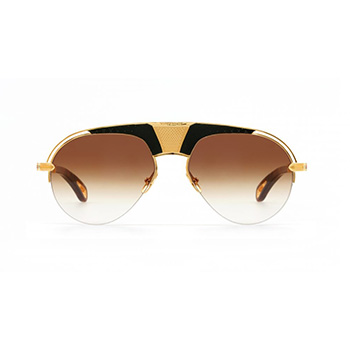
Powerful details and impeccable craftsmanship come together to create a high-end style statement in the Maybach Challenger sunglasses. This modern aviator shape, designed with a semi-rimmed structure, offers a sense of lightness and comfort, while the two-tone metal element along the browline and the Diamond Pattern surface add a distinctive depth to the design.

April 2026

Alexander McQueen Sunlight

This Alexander McQueen sunglass model reinterprets minimalism with a strong sense of character through its sharp lines and refined, lightweight structure. Its angular silhouette and yellow-tinted lenses lend the design a sense of understated sophistication while creating a striking visual presence. Free from excess yet high in impact, this model offers a refined alternative for those who prefer to express their modern style through clean, defined lines.

April 2026

Cat-Eye Radiance with Tiffany & Co.

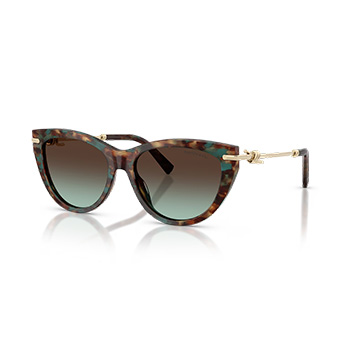
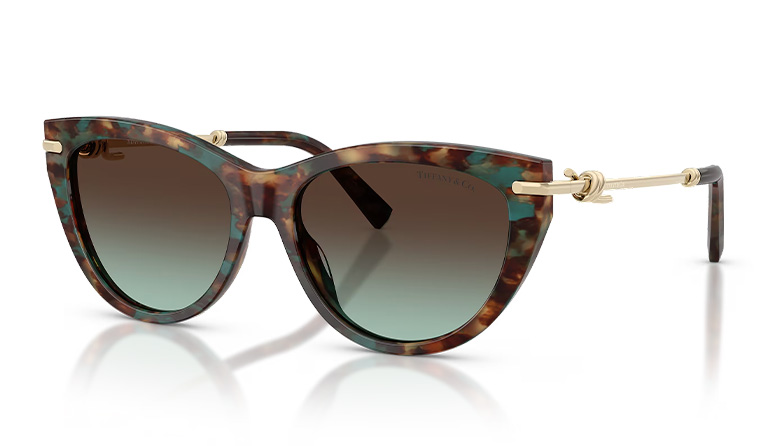
The timeless cat-eye silhouette is reimagined through Tiffany & Co.’s refined aesthetic in this design. The Tiffany havana-toned frame harmonizes with blue-gradient brown lenses, giving the model a warm and sophisticated character. Completed with delicate details, this design presents the brand’s iconic elegance to eyewear enthusiasts through a modern interpretation.

April 2026

Epic Hacienda by Casablanca

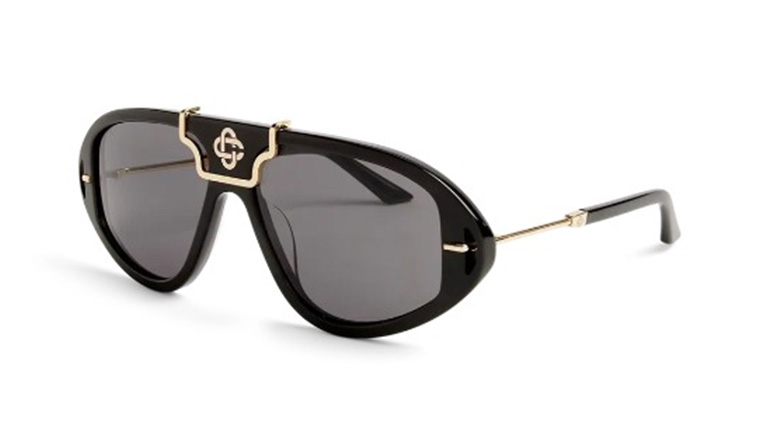
The seamless silhouette created by the mask form transforms into a powerful style statement in Casablanca’s Hacienda model. The black frame and dark lenses establish a bold and decisive presence, while the gold-toned logo detail at the bridge becomes a striking focal point. Reflecting Casablanca’s distinctive and daring aesthetic, this model offers a style approach that pushes boundaries.

April 2026