







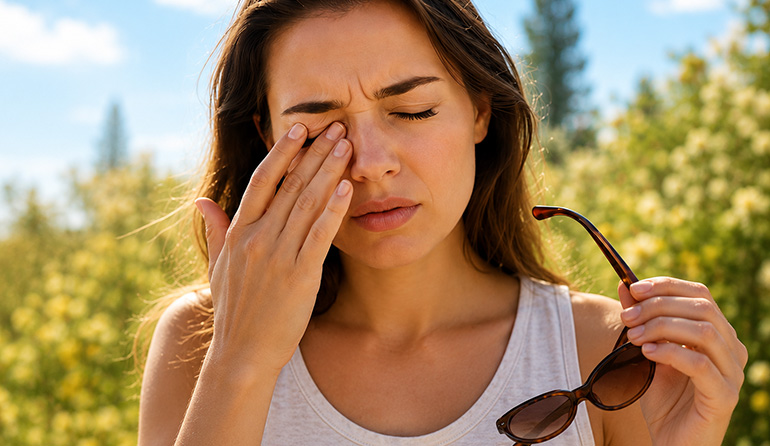
Do Your Eyes Itch and Water in Summer?
Rising temperatures, pollen, dust, wind and air conditioning use during the summer months can trigger symptoms such as itchy, watery and red eyes. Experts point out that these complaints are often associated with allergic conjunctivitis and dry eye.
With the arrival of summer, many people begin to experience symptoms such as itching, watering, redness and stinging in their eyes. Hot weather, increased pollen levels, dust, wind and spending long periods in air-conditioned environments can affect the ocular surface and lead to various eye problems. Although these symptoms can negatively affect daily life, they are often dismissed as simple fatigue. However, identifying the underlying cause is important. Ophthalmology Specialist Dr. Murat Direl states that a significant proportion of eye complaints that increase during the summer months may be related to allergic conjunctivitis and dry eye.
Allergic Conjunctivitis Is More Common in Summer
Eye allergies, known as allergic conjunctivitis, occur when the tissue covering the outer surface of the eye and the inner surface of the eyelids reacts to various allergens. Pollens, grasses, dust and environmental factors can cause symptoms to increase, particularly in late spring and throughout the summer. The most common symptoms of allergic conjunctivitis include itchy eyes, watering, redness and a burning sensation. Intense itching is one of the most characteristic signs of allergic eye disease. Constantly rubbing the eyes can worsen symptoms and may also irritate the ocular surface. For this reason, it is important to avoid rubbing the eyes when symptoms occur.
Air Conditioning Can Dry the Eyes
Air conditioning systems, widely used in homes, offices and vehicles to escape the summer heat, are another factor that can affect eye comfort. While air conditioning does not directly damage the structure of the eye, it can reduce humidity levels and dry out the surrounding air. Dry air causes the tear film that protects the front surface of the eye to evaporate more quickly, triggering dry eye symptoms.
As a result, the following complaints may occur:
- Burning and stinging sensations
- A foreign body sensation (feeling as if sand is in the eye)
- Redness and temporary blurred vision
Sunglasses Are More Than an Accessory, They Act as a Shield
Another significant threat to eye health during the summer months is ultraviolet (UV) radiation. Specialists emphasize the importance of wearing appropriate sunglasses, as harmful UV rays from the sun can accelerate cataract formation over time and may also contribute to tissue growth on the ocular surface, commonly known as “surfer’s eye” or pterygium. For this reason, certified sunglasses with UV filters, wide frames and a design suited to the wearer’s facial structure should always be preferred when spending time outdoors during the summer. Sunglasses also provide a physical barrier against pollen and dust carried by the wind, helping reduce the risk of eye allergies.
Be Careful With Contact Lenses in WaterChlorine and other chemicals used to keep pool water clean may irritate the ocular surface. More importantly, certain microorganisms that can thrive in stagnant pool water may cause serious corneal infections, particularly in contact lens wearers. For this reason, contact lenses should always be removed before entering a pool or the sea, and swimming goggles should be used to minimize contact between the eyes and water. Not every case of eye redness or itching has the same cause. Some eye drops used without medical advice may trigger much more serious conditions, including glaucoma and cataracts. When symptoms develop, an eye care specialist should be consulted and any treatment or artificial tear supplements should be used according to the physician’s recommendations.
July 2026