

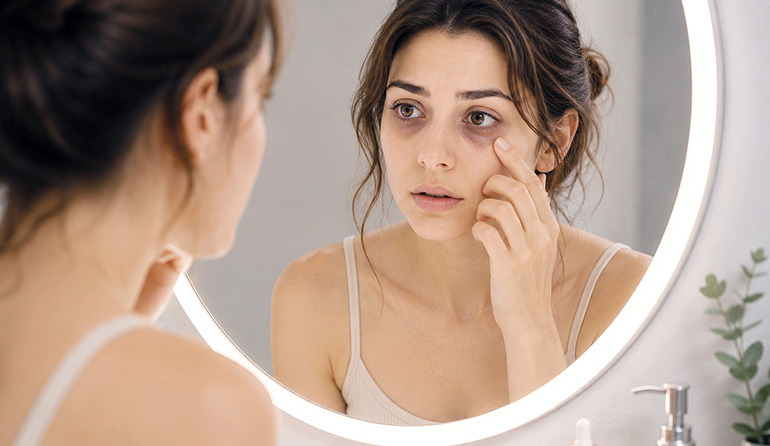
The Eyes May Reveal Mental Fatigue

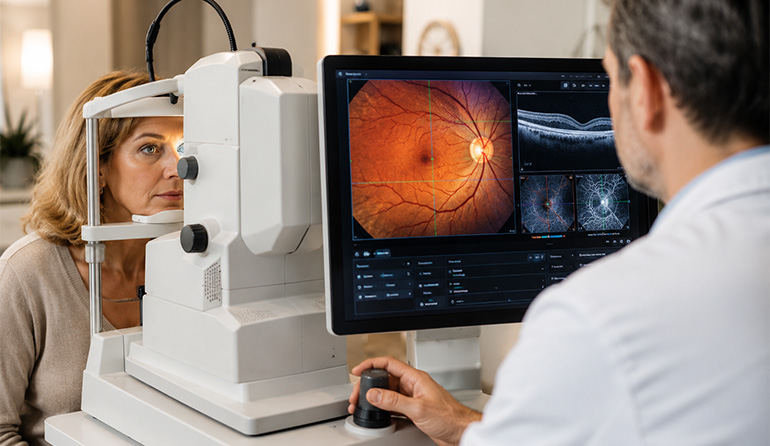
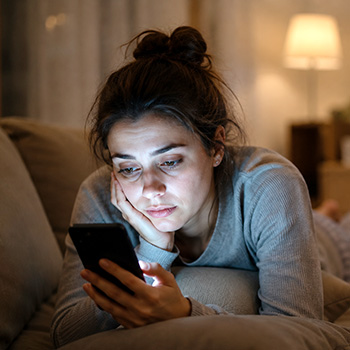
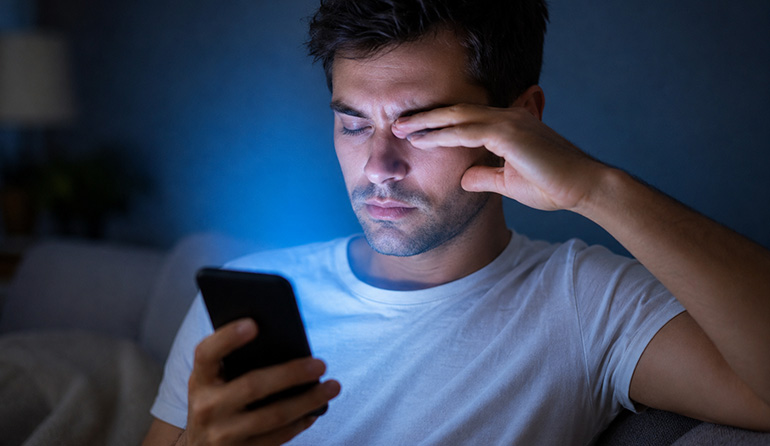
Research suggests that noticeable changes may occur in the eye movements of people who experience prolonged sleep deprivation or work under intense mental demands.

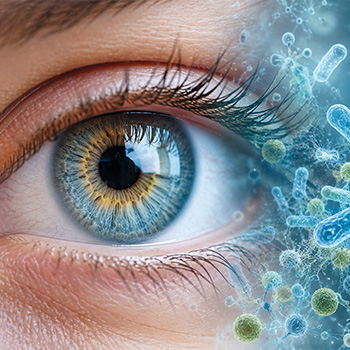
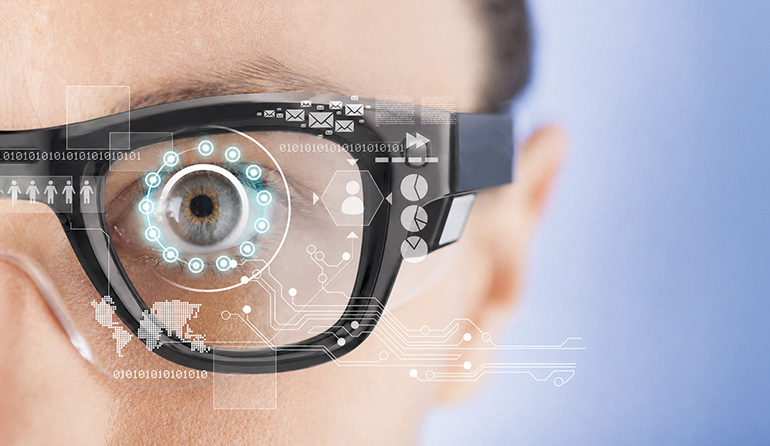
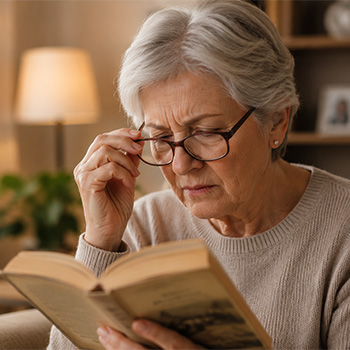
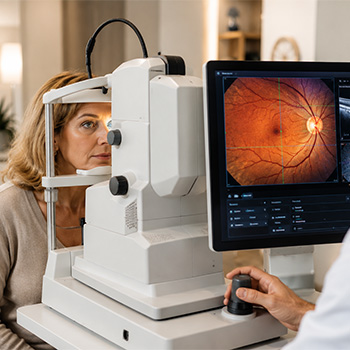
Recent research suggests that the eyes are connected not only to vision but also to the brain’s mental workload. According to experts, eye movements may provide important clues about a person’s level of mental fatigue. Studies conducted by scientists have shown that people engaged in intensive cognitive tasks tend to blink more frequently and have shorter attention spans. Eye movements also appear to become less regular in individuals performing tasks that require prolonged concentration. Researchers note that as the brain becomes fatigued, the speed at which visual information is processed may also change. The research further indicates that pupil movements may differ in people experiencing mental fatigue. Eyes that normally respond quickly to environmental stimuli may react more slowly during periods of intense stress and sleep deprivation. This delay is thought to be associated with reduced attention and concentration difficulties. Experts suggest that eye movement analysis may eventually be used not only in eye care but also in neurological and psychological assessments. AI-supported eye-tracking systems, in particular, may play an important role in measuring stress levels, attention deficits and cognitive performance. Researchers also point out that mental fatigue may develop more rapidly in people who spend long hours in front of screens. Regular sleep, short breaks and giving the eyes time to rest are considered important for both visual performance and mental productivity.

July 2026

Blink Rate May Decrease During Screen Use

Blinking is an automatic action that often goes unnoticed in daily life, yet it plays a vital role in protecting the surface of the eye. However, when looking at a computer, phone or tablet screen for extended periods, the number of blinks can decrease significantly. This may lead to symptoms such as dry eyes, stinging sensations and blurred vision.

Under normal conditions, people blink an average of 15 to 20 times per minute. During screen use, however, this number may be reduced by as much as half. People working in jobs that require intense concentration tend to keep their eyes open for longer periods, which can negatively affect the ocular surface. Prolonged screen focus may contribute not only to dry eye but also to eye fatigue and reduced concentration. In air-conditioned environments, moisture loss from the eye surface may occur even more rapidly. Redness, burning and a feeling of heaviness in the eyes at the end of the day are among the most common results of this condition. Experts recommend taking regular breaks during screen use to help maintain eye comfort. Looking at a distant point at regular intervals and consciously paying attention to blinking may help the eyes relax. Proper lighting in the work environment can also reduce eye strain. Making short changes of environment during the day, spending time in naturally lit spaces and adjusting screen brightness appropriately can help the eyes work more comfortably. Maintaining a proper viewing distance and positioning the screen at eye level are also important factors that support visual comfort. During periods of increased screen use, giving the eyes time to rest is important for daily visual performance. Focusing at a close distance for long periods can tire the eye muscles, while short eye exercises and spending time outdoors may help the eyes recover. Maintaining a healthy sleep routine also plays an important role in renewing the ocular surface.

July 2026

Do Your Eyes Itch and Water in Summer?

Rising temperatures, pollen, dust, wind and air conditioning use during the summer months can trigger symptoms such as itchy, watery and red eyes. Experts point out that these complaints are often associated with allergic conjunctivitis and dry eye.

With the arrival of summer, many people begin to experience symptoms such as itching, watering, redness and stinging in their eyes. Hot weather, increased pollen levels, dust, wind and spending long periods in air-conditioned environments can affect the ocular surface and lead to various eye problems. Although these symptoms can negatively affect daily life, they are often dismissed as simple fatigue. However, identifying the underlying cause is important. Ophthalmology Specialist Dr. Murat Direl states that a significant proportion of eye complaints that increase during the summer months may be related to allergic conjunctivitis and dry eye.

Allergic Conjunctivitis Is More Common in Summer
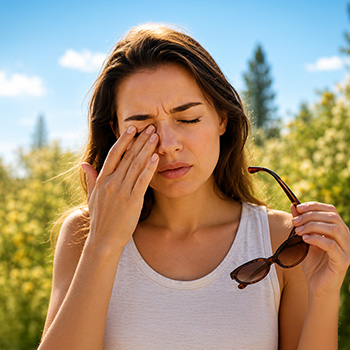
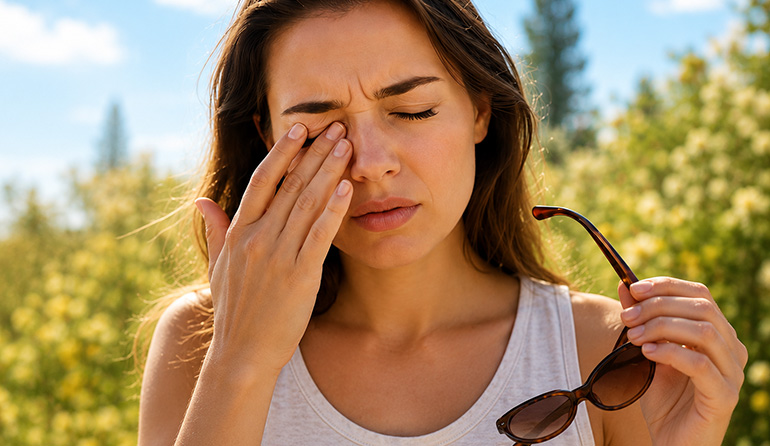
Eye allergies, known as allergic conjunctivitis, occur when the tissue covering the outer surface of the eye and the inner surface of the eyelids reacts to various allergens. Pollens, grasses, dust and environmental factors can cause symptoms to increase, particularly in late spring and throughout the summer. The most common symptoms of allergic conjunctivitis include itchy eyes, watering, redness and a burning sensation. Intense itching is one of the most characteristic signs of allergic eye disease. Constantly rubbing the eyes can worsen symptoms and may also irritate the ocular surface. For this reason, it is important to avoid rubbing the eyes when symptoms occur.

Air Conditioning Can Dry the Eyes
Air conditioning systems, widely used in homes, offices and vehicles to escape the summer heat, are another factor that can affect eye comfort. While air conditioning does not directly damage the structure of the eye, it can reduce humidity levels and dry out the surrounding air. Dry air causes the tear film that protects the front surface of the eye to evaporate more quickly, triggering dry eye symptoms.

As a result, the following complaints may occur:

  • Burning and stinging sensations
  • A foreign body sensation (feeling as if sand is in the eye)
  • Redness and temporary blurred vision

Sunglasses Are More Than an Accessory, They Act as a Shield
Another significant threat to eye health during the summer months is ultraviolet (UV) radiation. Specialists emphasize the importance of wearing appropriate sunglasses, as harmful UV rays from the sun can accelerate cataract formation over time and may also contribute to tissue growth on the ocular surface, commonly known as “surfer’s eye” or pterygium. For this reason, certified sunglasses with UV filters, wide frames and a design suited to the wearer’s facial structure should always be preferred when spending time outdoors during the summer. Sunglasses also provide a physical barrier against pollen and dust carried by the wind, helping reduce the risk of eye allergies.

Be Careful With Contact Lenses in WaterChlorine and other chemicals used to keep pool water clean may irritate the ocular surface. More importantly, certain microorganisms that can thrive in stagnant pool water may cause serious corneal infections, particularly in contact lens wearers. For this reason, contact lenses should always be removed before entering a pool or the sea, and swimming goggles should be used to minimize contact between the eyes and water. Not every case of eye redness or itching has the same cause. Some eye drops used without medical advice may trigger much more serious conditions, including glaucoma and cataracts. When symptoms develop, an eye care specialist should be consulted and any treatment or artificial tear supplements should be used according to the physician’s recommendations.

July 2026

Morning Sunlight May Influence The Eyes’ Biological Rhythm

Starting the day with natural daylight, especially during the early morning hours, may help support the eyes’ focusing performance throughout the day.

Extended exposure to artificial lighting in indoor environments may increase feelings of eye fatigue. Natural light helps the eyes perceive environmental contrast more effectively. Short outdoor walks in the morning can be particularly beneficial, supporting the eyes’ adaptation to daylight. While daylight plays a role in regulating the body’s biological clock, it also contributes to communication between the eye’s light-sensing system and the brain. Time spent in natural light allows the eyes to focus at varying distances and helps reduce the visual strain associated with prolonged near-work activities. Outdoor environments also provide a welcome break from the constant exposure to screens and artificial lighting that many people experience throughout the day. For this reason, spending even short periods of time outdoors can be considered a valuable habit for maintaining visual comfort.

Irregular sleep schedules and spending long periods indoors may contribute to increased visual fatigue. Insufficient exposure to daylight can negatively affect visual comfort, particularly among individuals who spend much of their day working in front of screens. Taking short breaks outdoors during the day supports both mental relaxation and eye recovery. Exposure to natural light in the morning may help maintain attention levels, while balanced daylight exposure throughout the day can help reduce screen-related visual fatigue. Even brief periods spent outdoors can help the eyes rest, and small changes to daily routines may have a positive impact on both eye health and overall quality of life.

June 2026

t

Regular Walking May Support Eye Health

Active lifestyle habits help support ocular circulation and may reduce fatigue caused by prolonged screen use.

Protecting eye health involves more than regular eye examinations. Healthy lifestyle habits also play an important role. Recent studies suggest that regular physical activity may have positive effects on eye health, and that light exercises such as brisk walking may support ocular circulation and potentially help protect against certain eye conditions. A sedentary lifestyle can negatively affect not only overall health but also visual well-being. Spending long hours at a desk, prolonged screen use and reduced physical activity may contribute to eye strain, focusing difficulties and dry eye symptoms. In contrast, regular movement can help reduce visual stress caused by maintaining focus on the same point for extended periods, supporting greater visual comfort throughout the day.

Regular walking not only promotes healthy blood circulation throughout the body but may also increase the amount of oxygen reaching ocular tissues. Walking outdoors can be particularly beneficial, helping both the eyes and the mind relax. Experts emphasize that controlled exposure to natural daylight plays an important role in visual development. Time spent in natural light during the day may support the eye’s focusing system and help relieve screen-related eye fatigue. Taking short walking breaks throughout the day can contribute to both physical and mental well-being, while a combination of healthy nutrition, regular sleep and physical activity plays an important role in maintaining visual comfort.

June 2026

Watch for Photokeratitis This Summer

Intense UV exposure can damage the cornea and lead to photokeratitis. Experts emphasize that the eyes, just like the skin, need protection from the sun, especially during the summer months.

When the harmful effects of sunlight are discussed, skin health is usually the first thing that comes to mind. However, ultraviolet (UV) rays can also damage the cornea, the outermost layer of the eye. Known as photokeratitis, this condition is more commonly seen during the summer months, particularly at the beach, in snowy environments or after prolonged exposure to sunlight. Ophthalmology Specialist Assoc. Prof. Dr. Uğur Ünsal notes that awareness of this condition, recently referred to on social media as “sunburned eyes,” has increased, yet many people still do not recognize its symptoms. Photokeratitis is defined as temporary damage to the corneal surface caused by intense exposure to UV radiation. Spending extended periods outdoors without adequate eye protection, especially during peak sunlight hours, significantly increases the risk.

Photokeratitis Occurs When the Eyes Are Left Unprotected Against the Sun
Photokeratitis is essentially an acute response of the eye to excessive sun exposure. Symptoms can develop within a short period as UV rays affect the cells on the corneal surface. Complaints typically begin several hours after exposure and can significantly reduce daily comfort and quality of life. Although often associated with summer, photokeratitis can also occur during the winter months. Reflected sunlight from snow-covered surfaces can intensify UV exposure, while similar risks are present around the sea and swimming pools. Artificial UV sources, such as tanning beds, are also considered a serious threat to eye health. Specialists emphasize that UV radiation can have lasting effects not only on the skin but also on the eyes.

Symptoms May Develop Within Hours
Common symptoms of photokeratitis include stinging, a burning sensation, redness, tearing and increased sensitivity to light. Some individuals may find it difficult to keep their eyes open, while temporary blurred vision or reduced visual clarity may also occur. Symptoms may be more severe in contact lens wearers, people who work outdoors for extended periods and those exposed to high levels of UV radiation. Specialists stress that this type of eye sensitivity should not be dismissed as simple irritation. In some cases, swelling of the eyelids, headaches and a pronounced feeling of discomfort may also accompany the condition.

Not All Sunglasses Offer Adequate Protection
Specialists emphasize that choosing the right sunglasses plays a crucial role in protecting eye health. Dark lenses alone do not guarantee protection, and sunglasses should always provide 100% UV protection. Eyewear without proper UV filters may actually allow more harmful rays to reach the eyes by causing the pupils to dilate. Children and individuals with lighter-colored eyes are considered particularly vulnerable to the effects of UV radiation and should take extra precautions. Experts also stress the importance of purchasing certified products from reputable optical retailers.

Simple Precautions Can Help Protect Your Eyes
To reduce the risk of photokeratitis, experts recommend avoiding prolonged outdoor exposure during peak sunlight hours. Wearing a wide-brimmed hat, choosing high-quality sunglasses with UV protection and taking extra precautions in environments with reflective surfaces are all considered important protective measures. Specialists also note that outdoor athletes, sailors, skiers and individuals who spend long hours driving should be especially mindful of their eye health. People who spend extended periods in the sun during summer vacations are encouraged not to neglect proper eye protection.

Do Not Delay if You Experience Burning Eyes or Light Sensitivity
Although photokeratitis often improves on its own within a few days, professional evaluation may be necessary in some cases. If symptoms such as severe pain, significant vision loss, persistent redness or extreme sensitivity to light occur, consultation with an eye care specialist is strongly recommended. With timely precautions and appropriate treatment, the condition can usually be managed more comfortably and effectively. Experts also emphasize the need to increase public awareness of eye health, particularly in relation to rising UV exposure during the summer months. Protecting eye health, they note, is an important part of maintaining overall quality of life.

June 2026

4 Major Factors That Lead To Pterygıum!

Eye redness that may seem harmless can actually be an early sign of a progressive condition that may eventually lead to vision loss. Experts warn that sun exposure, dust, wind and prolonged screen time can all increase the risk. Persistent eye redness should never be ignored.

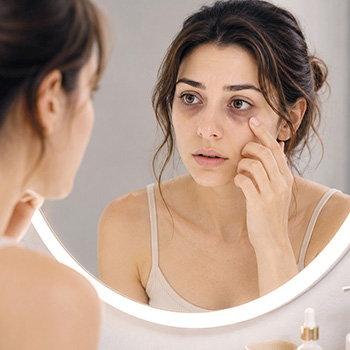
Growth of tissue on the eye, medically known as “pterygium,” has become increasingly common among eye diseases in recent years. Although often considered harmless, pterygium may progress silently and lead to serious consequences if left untreated. The condition typically first appears with redness and bloodshot eyes. Ophthalmology Specialist Dr. Tolga Birgül explains, “Pterygium is usually noticed through intense redness in the inner corner of the eyes near the nose. Patients often recognize it themselves while looking in the mirror or after people around them point it out. Over time, this tissue may extend over the cornea and obstruct the visual field. Although it may initially appear to be a simple redness or bloodshot appearance, it can eventually lead to vision loss if it progresses. For this reason, persistent eye redness should always be evaluated by a physician.” Dr. Tolga Birgül states that patients with pterygium often describe their complaints with expressions such as, “It feels like there is a grain of sand in my eye,” or “People keep asking me why my eyes are so red, whether I did not sleep enough or drank alcohol.” However, he emphasizes that these symptoms may often be caused by tissue growth on the eye. Ophthalmology Specialist Dr. Tolga Birgül discussed four major factors that contribute to pterygium and shared important warnings and recommendations regarding its symptoms and treatment.

Sunlight and ultraviolet exposure
One of the most important factors in the development of pterygium is prolonged exposure to sunlight. Research shows that pterygium is seen more frequently in individuals who are exposed to intense sunlight for extended periods.

Environmental irritation
Environmental factors including dust, sand and wind increase the risk, especially among people who work outdoors. Frequent exposure to dust, sand and foreign particles may continuously irritate the ocular surface, causing chronic irritation. Over time, this irritation can lead to thickening of the tissue (conjunctiva) and create the conditions for tissue growth extending toward the cornea.

Chronic dry eye
Prolonged use of computer and phone screens may also lead to dry eye. Ophthalmology Specialist Dr. Tolga Birgül states, “We encounter this condition more frequently, especially in people who spend long hours in front of a computer without taking proper eye breaks and in those who spend extended periods looking at phone screens. Insufficient moisture on the ocular surface may also facilitate the development of pterygium.”

Natural Tendency Toward Dry Eye
In some individuals, the ocular surface may naturally be more sensitive and have difficulty maintaining proper moisture balance. This condition may cause the eye surface to become more easily irritated by external factors. When adequate moisture cannot be maintained, the eye’s protective layer weakens and the conjunctival tissue may gradually thicken and extend toward the cornea. In people experiencing dry eye, this process may be triggered more easily, increasing the risk of developing pterygium.

Pay attention to these symptoms!

  • Persistent redness and bloodshot appearance in the eyes
  • Burning, stinging and tearing sensations
  • A raised tissue growth forming on the inner part of the eye
  • Redness that creates an aesthetic concern
  • Unexpected development or worsening of astigmatism

How is pterygium treated?
Treatment for pterygium is planned according to the stage and progression of the condition. Not every pterygium requires surgery. If the tissue remains unchanged and stable for a long period, it may simply be monitored. However, surgical treatment becomes necessary in cases where the pterygium is actively growing and advancing toward the cornea. Dr. Tolga Birgül emphasizes that a comprehensive eye examination is essential in order to make this distinction and notes that the most important aspect of treatment is preventing recurrence after surgery. “In pterygium surgery, simply removing the tissue growth is not enough. The real priority is preventing it from recurring after the operation. For this reason, we use specialized surgical techniques. After removing the tissue, and before closing the area with methods such as conjunctival flaps or autografts, we microscopically clean the remaining surface using a special diamond-tip burr system. This technique also removes microscopic residual tissue that may remain behind and significantly reduces the risk of recurrence,” he explains.

May 2026

What Are Prescription Sunglasses? What Are They Used For?

For those who want to see clearly while also protecting their eye health on sunny days, prescription sunglasses offer a practical and comfortable solution. Especially for individuals with refractive errors, they provide both clear vision and UV protection at the same time in situations where standard sunglasses may not be sufficient.

Prescription sunglasses are specially designed eyewear used by people with vision problems to both improve visual clarity and protect the eyes from the sun’s harmful UV rays. Unlike regular sunglasses, they feature lenses produced according to the wearer’s prescription. This allows users to achieve both sun protection and clear vision simultaneously in outdoor environments. Today, UV400 protection has become the standard in these lenses, providing a high level of protection against both UVA and UVB rays. In addition, polarized lens options offer more comfortable vision by reducing reflections, especially while driving and in open outdoor areas. Photochromic lenses may also be preferred depending on individual needs. These lenses automatically darken or lighten according to light intensity, adapting to different lighting conditions.

How Are Prescription Sunglasses Obtained?
The first step in obtaining prescription sunglasses is a comprehensive eye examination. After receiving a prescription with current vision measurements, the individual visits an optical store. The user then selects a sunglass frame suitable for their facial structure. Prescription sun lenses are specially produced according to the prescription and mounted into the selected frame by an optical professional. At this stage, details such as lens color, thickness and coating type, including anti-reflective or hard coatings, are determined according to the user’s needs. Prescription sunglasses have become an important part of daily life, both for improving visual comfort and for providing protection against UV rays. With the right lens and frame selection, clearer and more comfortable vision can be achieved outdoors.

May 2026

Watch for Night Vision Problems in Children

Difficulty moving around in dark environments, frequently bumping into objects or feeling uneasy when the lights are turned off are often interpreted as fear or shyness in children. However, in some cases, these behaviors may be early signs of eye conditions that affect night vision.

Children becoming restless in dark environments or having difficulty moving around in the evening is often considered temporary behavior. However, experts warn that certain behavioral changes may be associated with eye problems affecting night vision. Night vision disorders that emerge during childhood may not always be easily recognized. While some children can see normally during the day, they may struggle to navigate in low-light environments or adapt slowly to changes in lighting conditions. Behaviors such as frequent falls in the evening, hesitation while walking downstairs or reluctance to separate from parents in the dark should be carefully observed by families.

According to experts, reduced night vision may be linked to retinal diseases, certain hereditary eye disorders, vitamin A deficiency or various refractive errors. However, it is also emphasized that not every symptom necessarily indicates a serious condition and that a definitive evaluation can only be made through a comprehensive eye examination. Specialists note that children are often unable to clearly express their vision problems. Behaviors such as sitting too close to the television, becoming restless in dim environments or looking at visual materials from a very close distance may also be important warning signs. Since many children tend to accept their vision difficulties as normal and may not complain about them, parents are advised to pay close attention to behavioral changes.

Experts also emphasize that eye examinations in children should not only be performed after vision problems develop, but should instead be carried out regularly at certain age intervals. Early examinations are considered highly important for assessing potential risks and protecting children’s visual health. In addition, early diagnosis may help control possible vision problems before they progress and contribute to maintaining children’s quality of daily life.

May 2026

4 Powerful Fruits to Support Eye Health

In an age where digital screens are at the center of our lives, our eyes are under more strain than ever. However, it is possible to ease this burden and support eye health with the right foods rich in antioxidants and vitamins.

Digital screens have become an inseparable part of modern life. Long hours spent in front of computers, smartphones, and tablets place an increasing strain on the eyes each day. Complaints such as dryness, fatigue, stinging sensations, and blurred vision have become commonplace for many people. This picture shows that eye health is influenced not only by external factors but also by lifestyle and dietary habits. In particular, biological processes such as oxidative stress and inflammation can affect ocular tissues over time. Although it may be difficult to completely change the pace of digital life, it is possible to reduce these effects. A diet rich in antioxidants, vitamins, and plant-based compounds plays an important role in supporting eye health. This support can be achieved through natural foods that are easily accessible in daily life. Certain fruits, in particular, stand out for their ability to support visual function and help reduce eye fatigue thanks to their powerful nutritional content.

Blueberries: Antioxidant Power
Despite their small size, blueberries have a strong nutritional profile and are especially rich in anthocyanins. These compounds play a role in combating oxidative stress, which accelerates the aging process in the eyes. Research suggests that anthocyanins may help protect retinal cells and reduce cellular damage. When consumed regularly, blueberries may contribute to reducing eye fatigue and supporting long-term eye health. They can be easily added to the daily diet, for example in breakfast bowls, yogurt, or smoothies.

Oranges: Lens Protection with Vitamin C
Vitamin C is a powerful antioxidant that plays a critical role in maintaining the structure of the eye’s lens. Oxidative damage that accumulates over time is one of the contributing factors in the development of cataracts. Studies indicate that adequate intake of vitamin C may help reduce the risk of cataracts. For this reason, citrus fruits such as oranges are a simple yet effective choice for supporting eye health. Consuming one serving of citrus fruit per day can provide a meaningful benefit in this regard.

Papaya: Support for Dryness and Sensitivity
Papaya is a noteworthy option for those experiencing dryness and sensitivity in the eyes. The provitamin A compounds and carotenoids it contains help protect the ocular surface. At the same time, papaya contains anti-inflammatory components that may help reduce low-level inflammation in the eyes. This can contribute to relieving discomfort, especially after prolonged screen use. It can be consumed fresh or easily added to fruit salads and smoothies.

Kiwi: Protective Effect for the Retina
In addition to its high vitamin C content, kiwi contains carotenoids such as lutein and zeaxanthin. These compounds are particularly important for retinal and macular health. Nutritional studies suggest that regular intake of such components may help maintain visual quality. In this respect, kiwi is a practical option that can be included in the daily diet. It can be preferred as a snack or a light dessert. Eye health is often associated only with genetic factors or aging. However, processes such as oxidative stress, vascular health, and inflammation are directly linked to nutrition. A diet rich in antioxidants may help reduce cellular damage, protect ocular tissues, and slow the effects of age-related changes. It should be remembered that nutrition alone is not sufficient. Daily lifestyle and habits also play a key role in protecting eye health.

April 2026