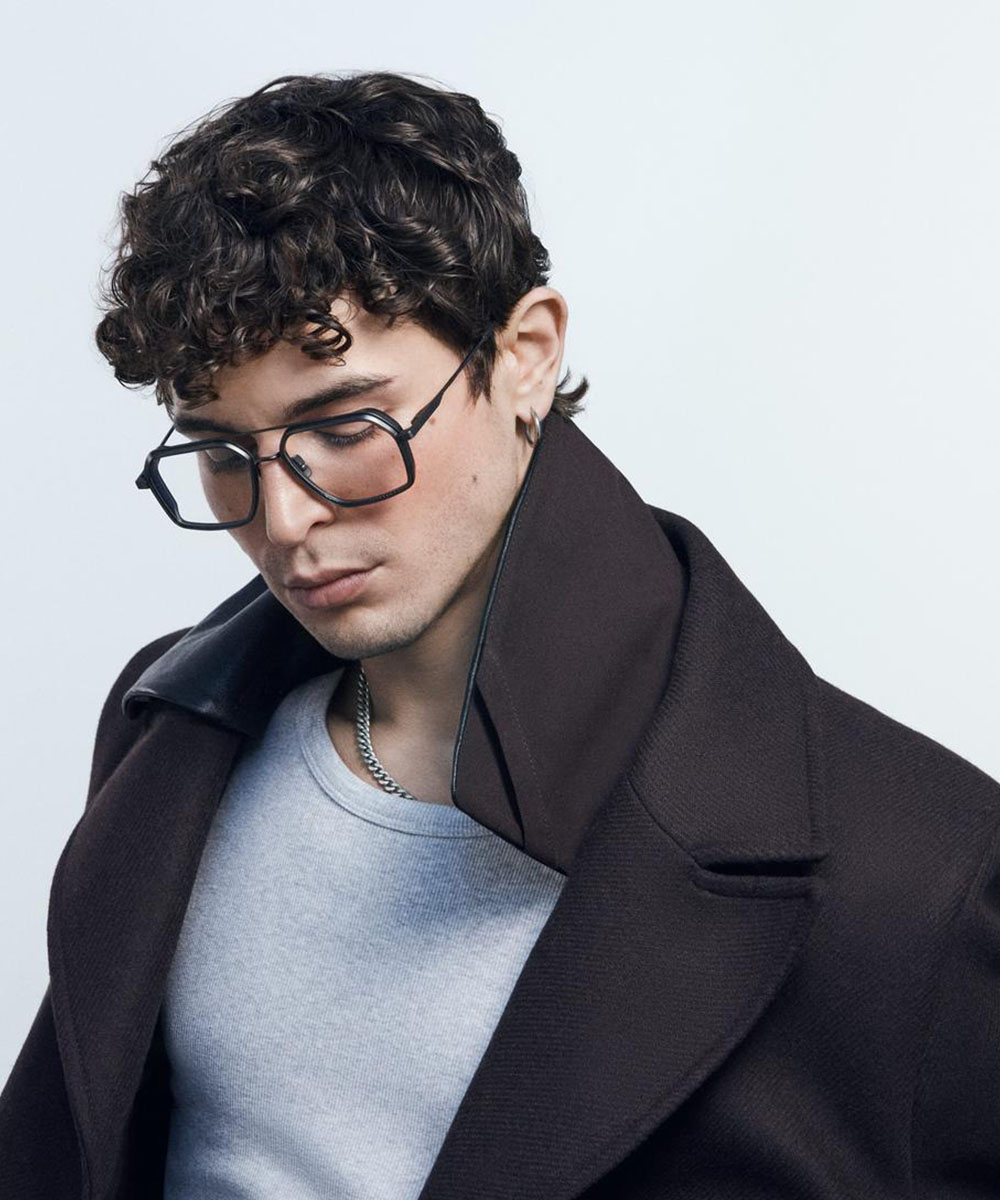
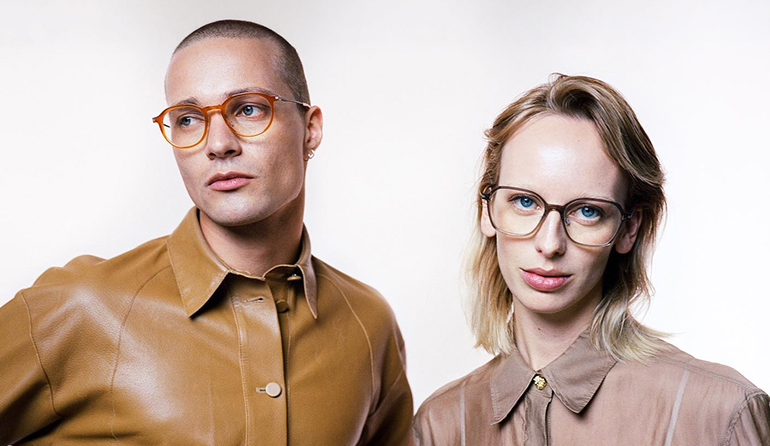
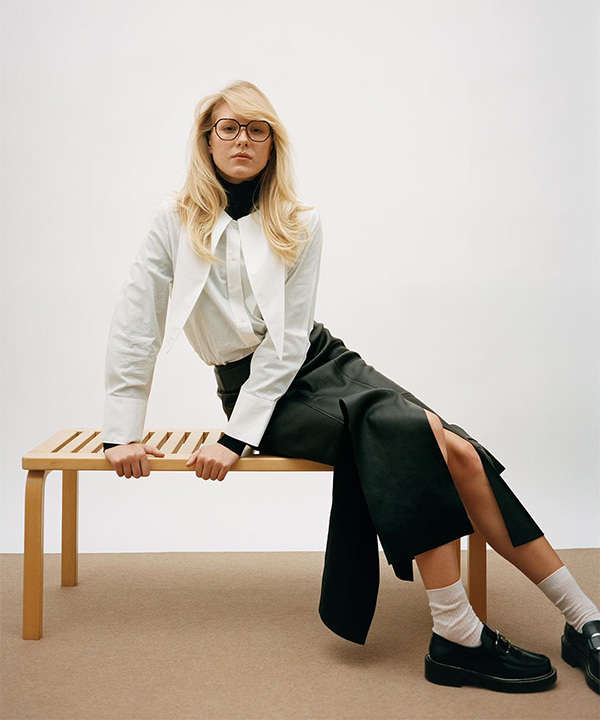
Burbas Studio

Burbas Studıo

Capturing the Story Behind Eyewear

According to Burbas Studio, creating impactful campaigns in the age of AI is not only about embracing new technologies, but also about preserving a brand’s character, authenticity, and story.

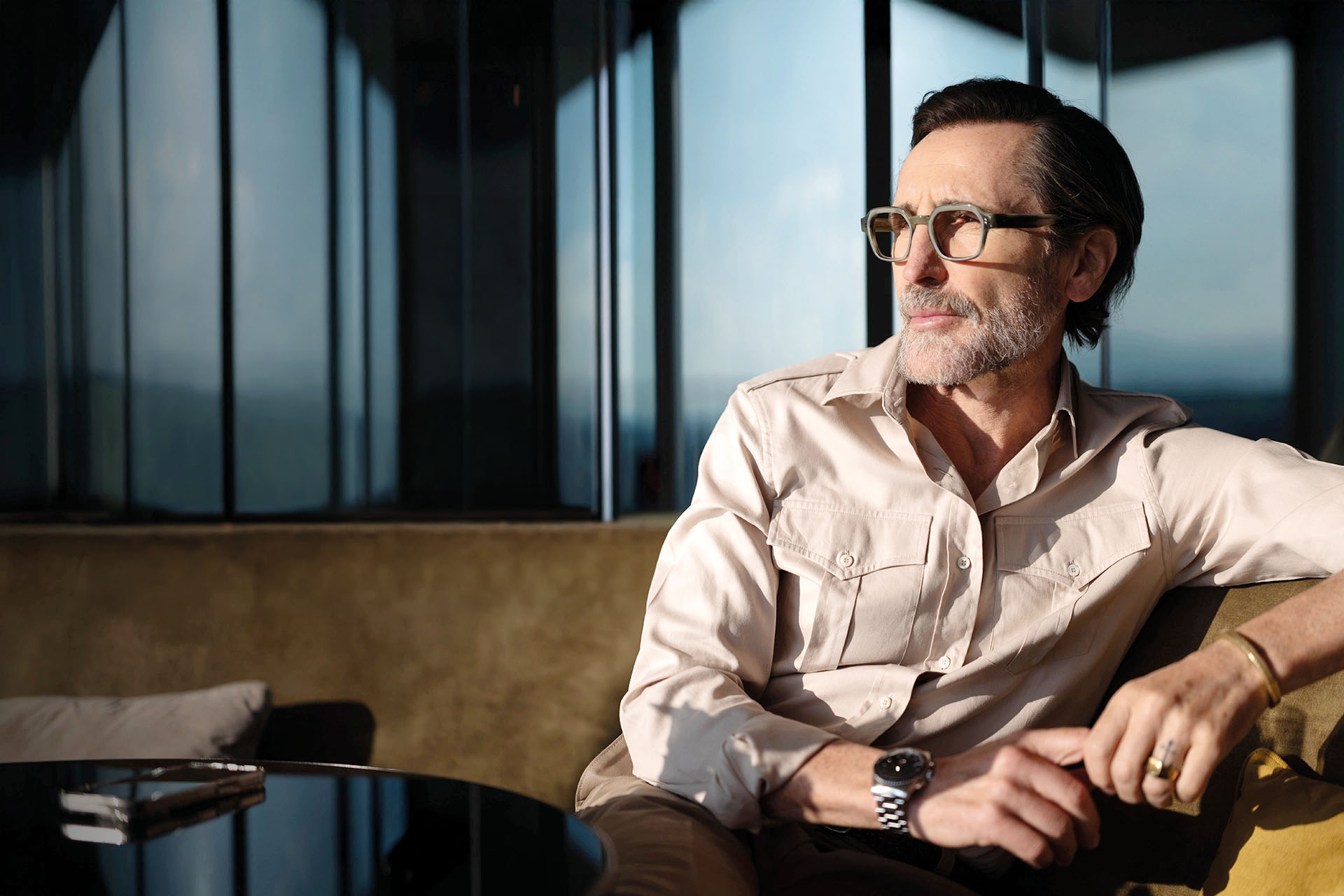
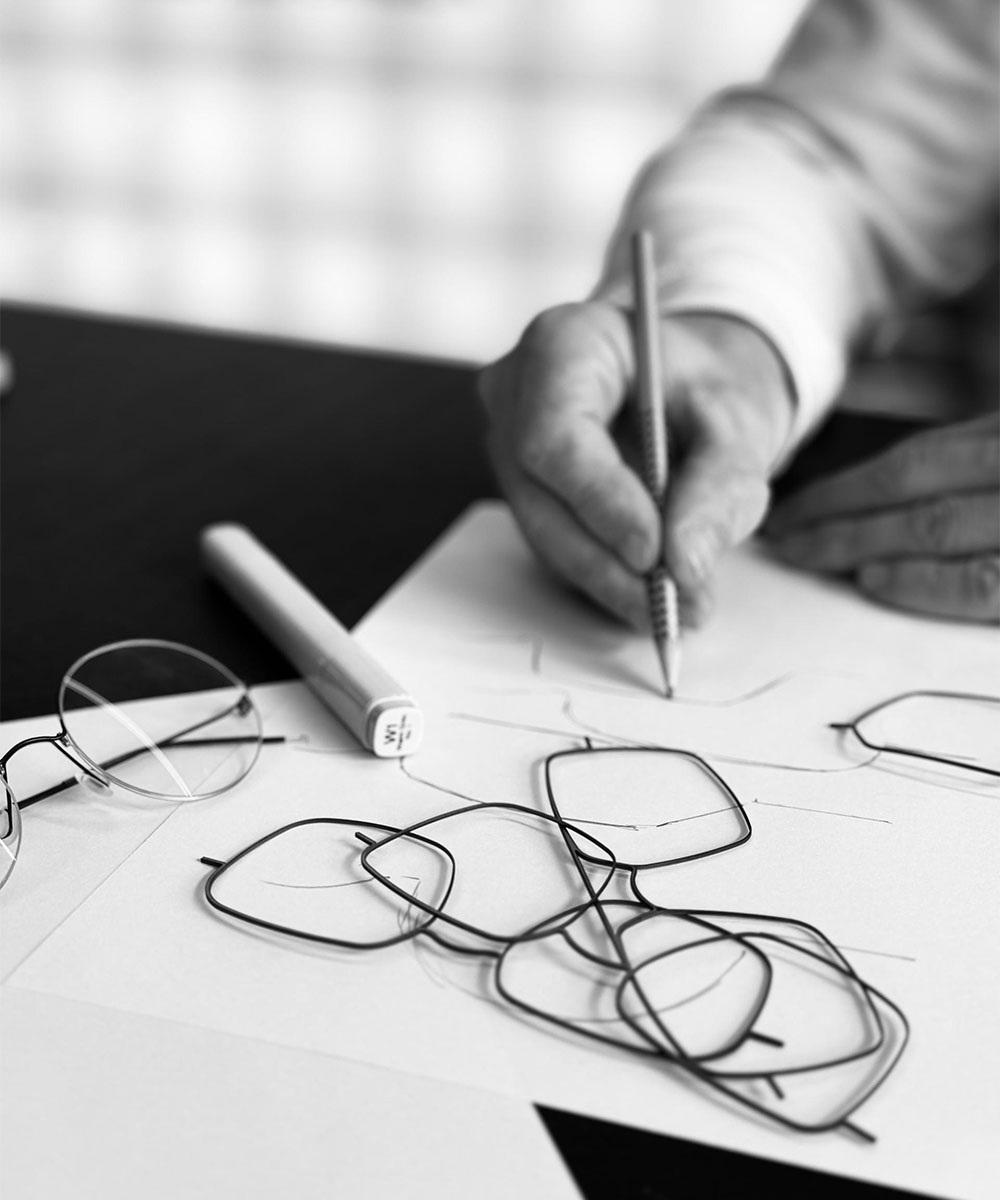
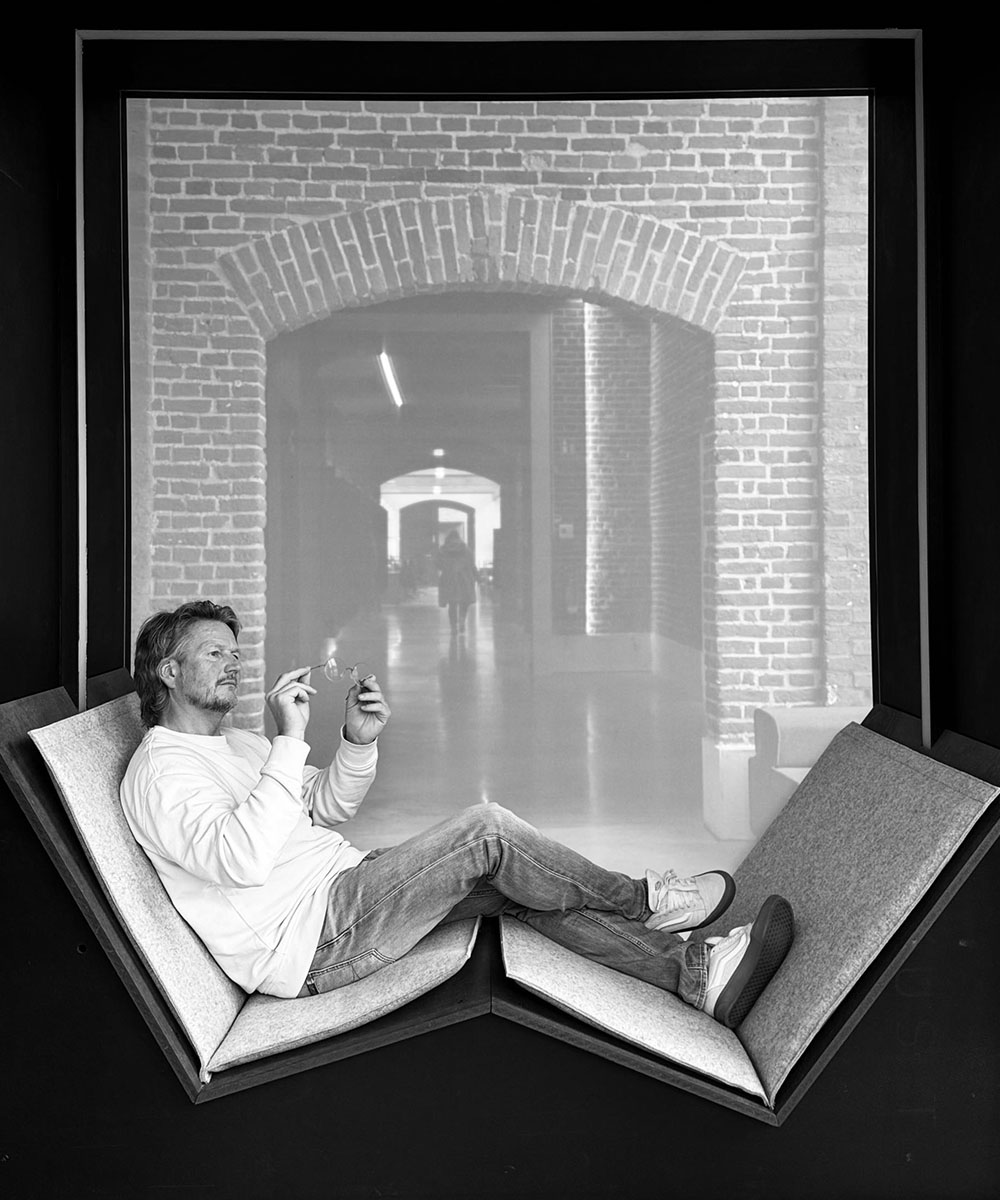
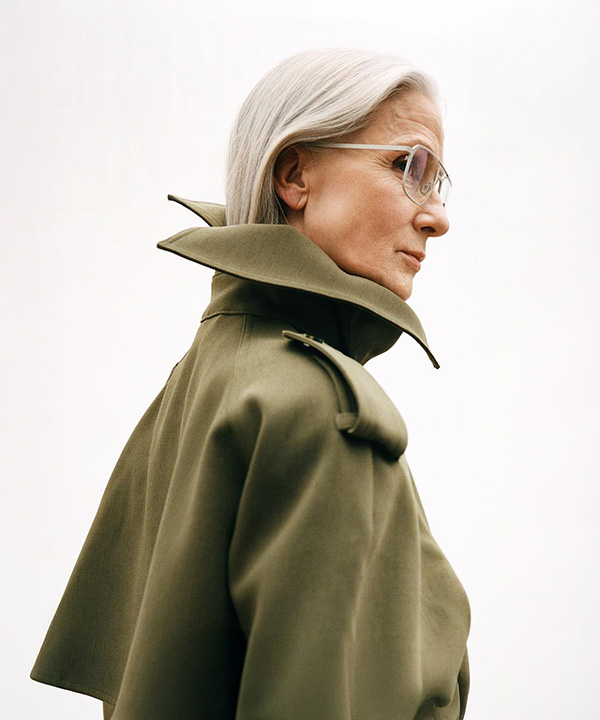
Cologne based creative agency Burbas Studio founders Fabian Burgard and Max Bastian have increasingly drawn attention in recent years through their work at the intersection of fashion, advertising, and eyewear photography. Bringing photography and video production together under one roof, the studio delivers a wide range of projects spanning from e-commerce content to international advertising campaigns. Most recently, the team produced Coblens Eyewear’s 2026 campaign, earning recognition for an approach that combines analog photography with a contemporary visual communication language. At a time when artificial intelligence is playing an ever greater role in creative campaigns, photographer Fabian Burgard advocates for a more balanced use of digital technologies, particularly for eyewear brands that place craftsmanship, authenticity, and human storytelling at the center of their identity. We present the interview with Fabian Burgard, co-founder of Burbas Studio, discussing the evolution of photography, the future of eyewear campaigns, and the creative vision behind the Coblens 2026 campaign.
When did you start specialising in eyewear and how does this style of photography fit with your expertise?
I first worked for an eyewear brand in 2019. It fits well with what I do, as I also shoot in other areas of fashion. Outside of work I also developed a big interest in the fashion industry as well (even if my own outfit looks pretty much the same most days). A real “expertise” for eyewear came over time. Glasses are a tricky product: they’re reflective, often super delicate, and the photographed angle makes a huge difference. Over the years, I think I developed a feel for what makes a frame look right, how to place and light it. So it’s something that really grew through doing it and will probably keep growing.

What is your view on AI and photography campaigns? Are you using AI at Burbas and what advantages have you seen? 
AI is a great tool, when it actually makes sense. We’ve been developing workflows that let us keep the product design consistent, to use when it serves the concept. That can make it possible to create more complex looks without blowing the budget, which is a win for a lot of brands. At the same time, it’s very client- and brand-dependent. We actually still produce full analog shoots, and we even have our own in-house darkroom for film development. The main thing for me is that AI shouldn’t override a brand’s authenticity. If a label is rooted in tradition or draws from specific decades and craft, you need to reflect that honestly and sometimes that means AI simply isn’t the right tool (at least right now). In the end, I don’t think you should ignore AI either or use it just because it is new or even hyped at the moment.

You recently worked on Coblens Eyewear’s 2026 campaign. Could you share some insights into the production process and what made this project stand out?

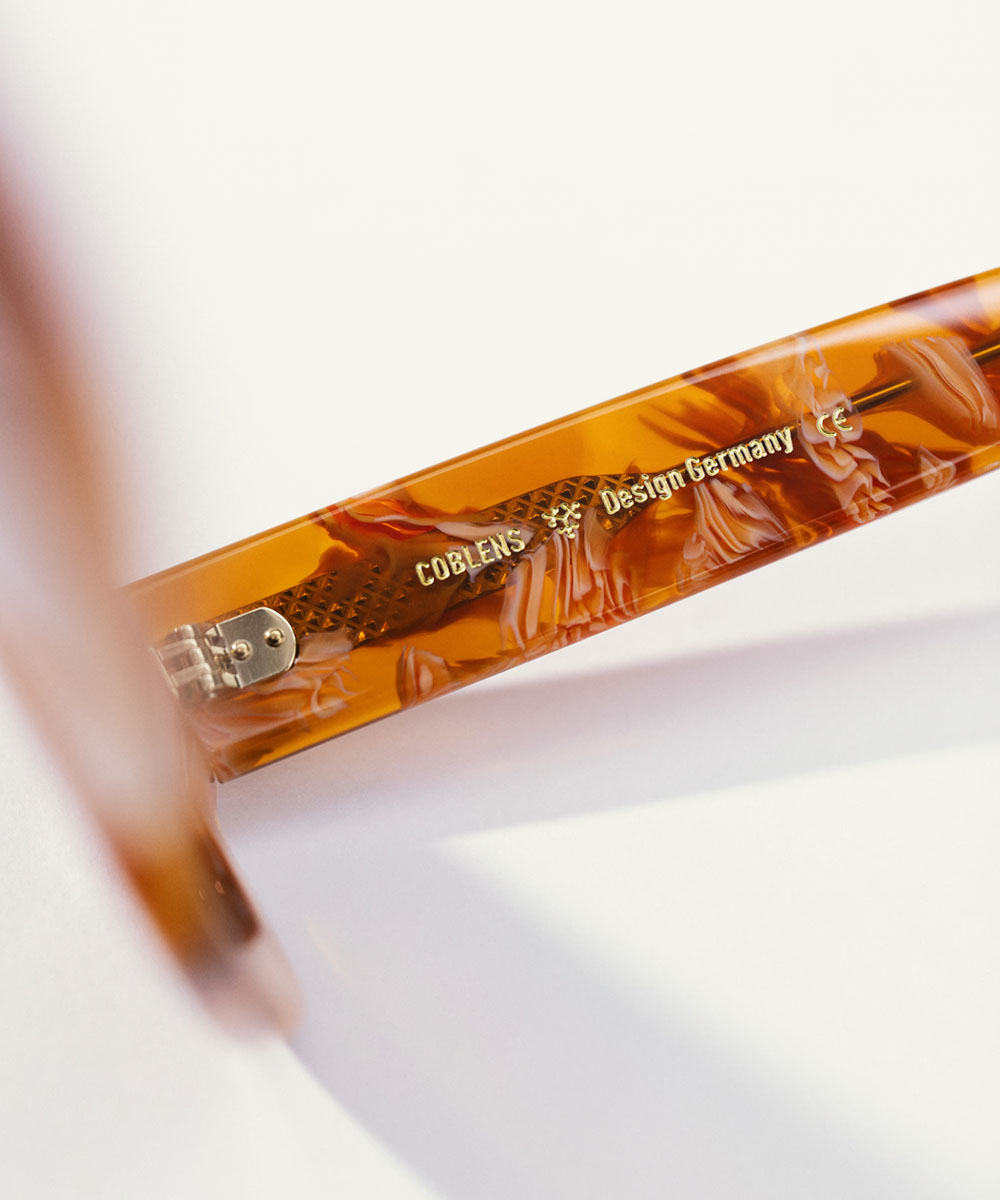
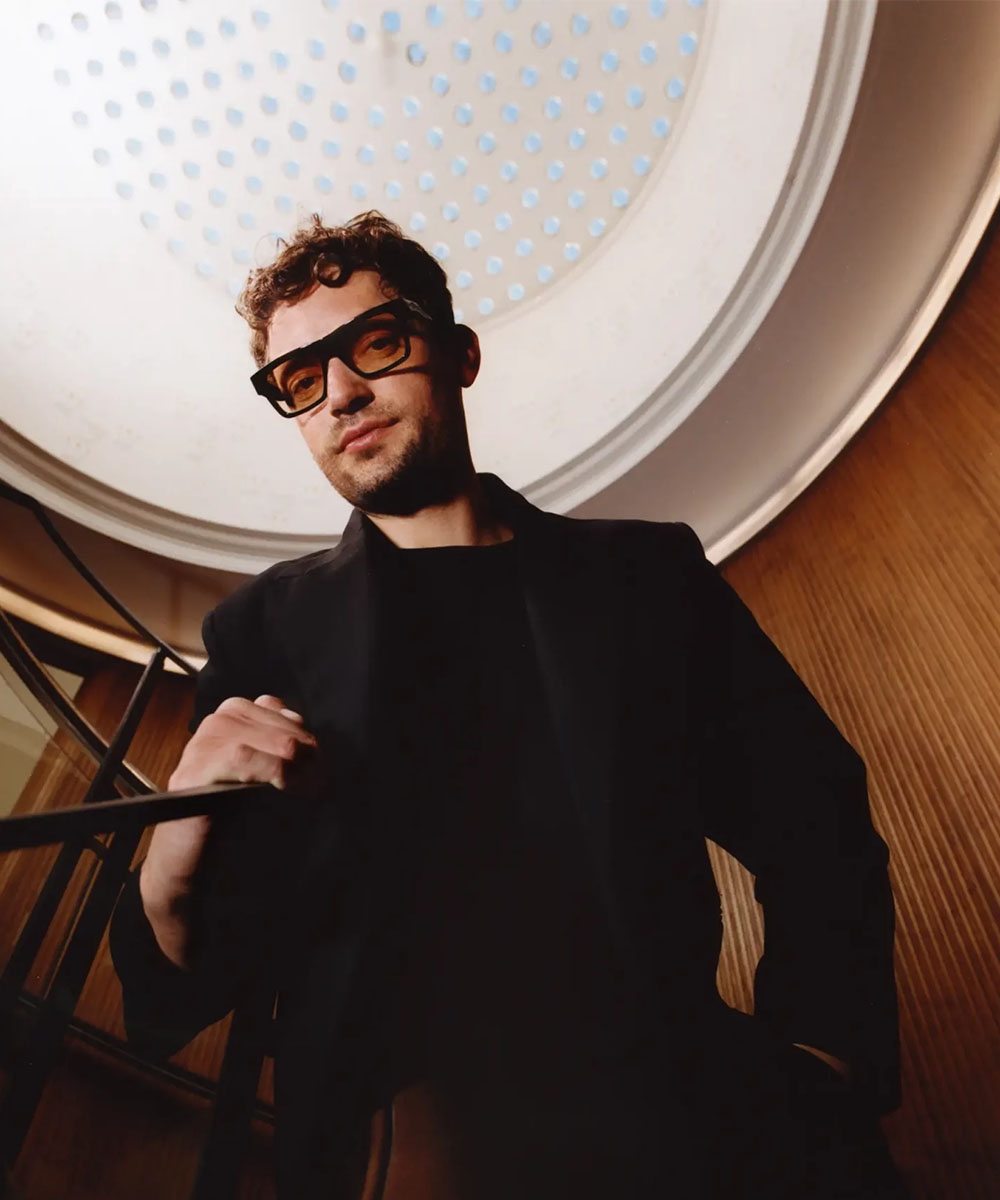
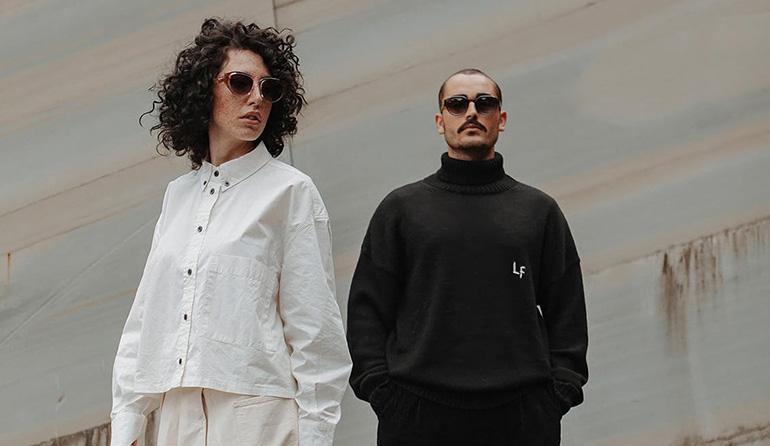
Our latest campaign was actually a special one. It was for Coblens Eyewear, a label from my hometown, they make beautiful frames. We shot it at the Gerling Quarter in Cologne, a 1950s building from the post-war modern era. The location as part of the building is run by a university that’s also one of our clients, so we were able to produce there. And the architecture matched the frames perfectly, so visually it feels like a match. Besides the video assets, we produced a fully analog photo series: shot on film, then we made hand prints in our darkroom and scanned those for the final files. It’s a workflow I love, but in this case it also fits the brand so well because it has that crafted, handmade character. With a great team, it turned into one of those productions that’s just really fun from start to finish.

Do you also do still life work and what is your opinion of still life photography for eyewear?
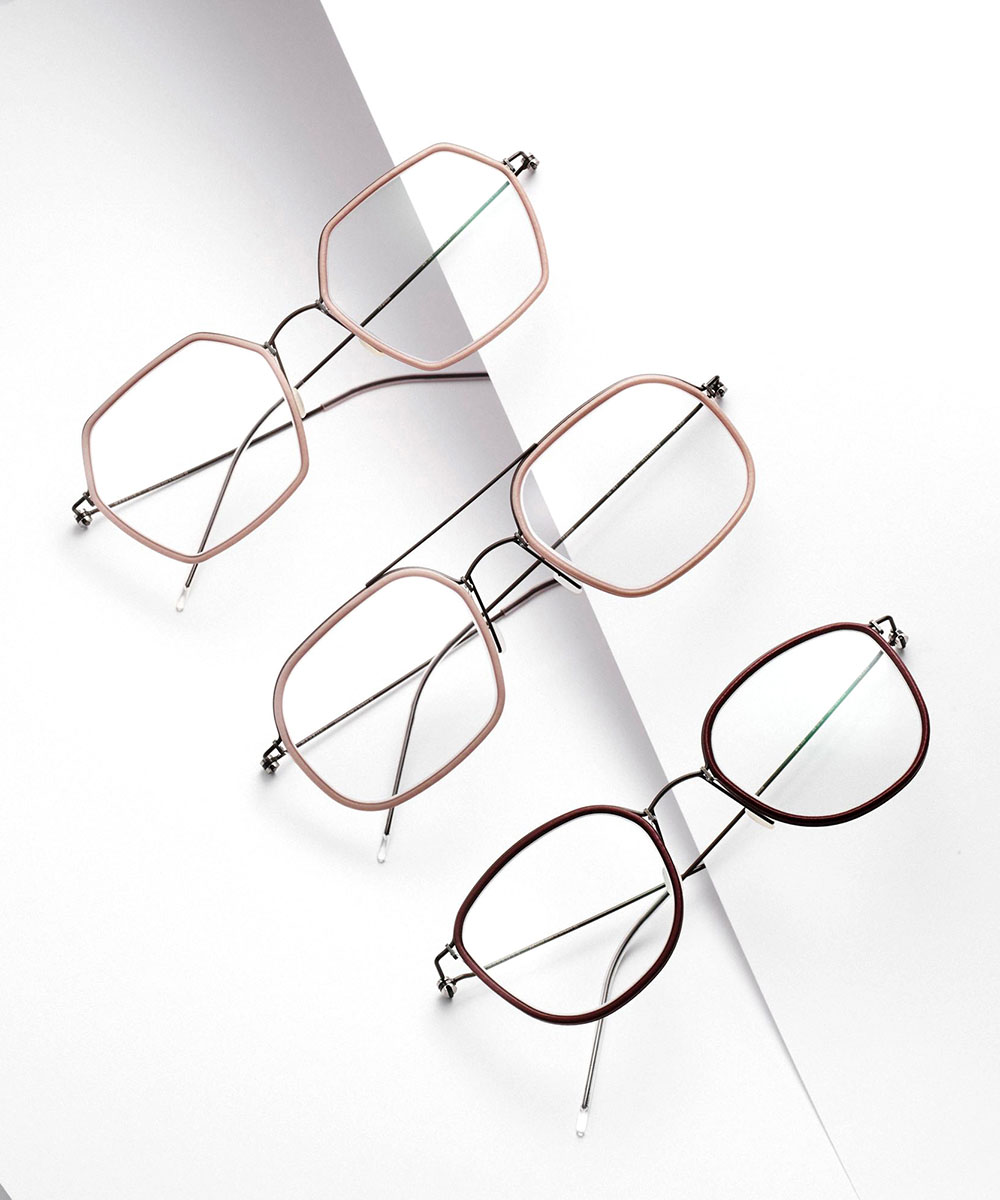
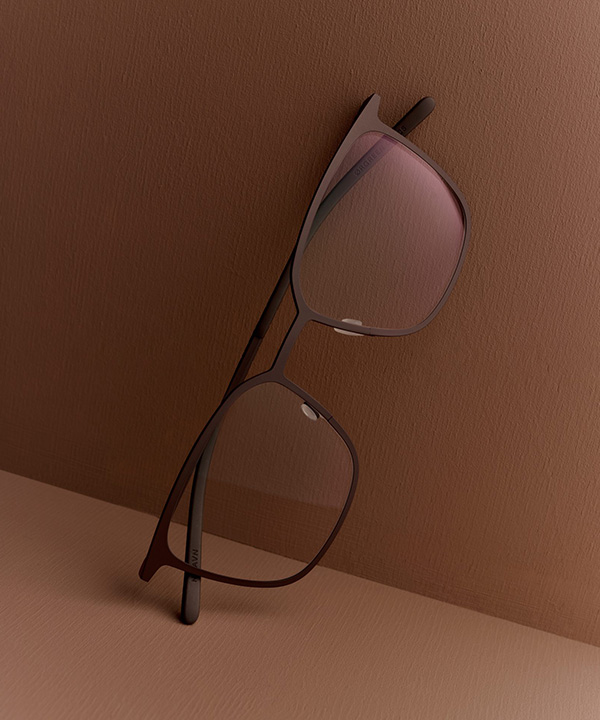
Yes we do still life, and I love it. It’s such a strong (and easy) tool for building brand identity, especially in eyewear. For me, still life works best when it’s reduced and focused — not overloaded with as many beautiful objects as possible. Sometimes texture and framing is already enough to set the tone. Putting frames on a material that fits the brand can do a lot. Technical frames on stainless steel, brands with a heritage feel on materials that reference older interiors or architecture, whether that’s marble, a specific carpet, or something similar. If the concept is more modern or playful, you can also go in a slightly more unexpected direction. I recently saw a jewelry campaign where the product was photographed on baking paper, super minimal, and it looked amazing. In the end, I think smart, reduced choices often make the frame look stronger than an overloaded set.

What are your main goals and plans for Burbas Studio in the years ahead?
For 2026, we’ve got many goals. On the main side, we want us to keep producing strong work. Staying current, pushing new ideas, and doing more creative productions. We are happy to work with new brands. Partly because it’s creatively exciting to build visuals for different brand identities, and yes, also because working with new clients is always a motivating part of the job. And then there are the smaller, personal goals: pushing my own ongoing documentary work, refining my style, and finding a few dream locations I’ve been wanting to shoot at for a long time. Right now, I’m trying to get access to a museum space in Wuppertal that I’m completely obsessed with.

What is the future of photography for eyewear brands? Digital or Analog and Digital? 
I’m pretty sure it’s going to be both. AI will keep getting better, which makes it a great match for a lot of brands, and it’ll definitely lower the barrier for newer brands to create strong visuals. But at the same time, I don’t think the handcrafted side of production will ever fully disappear, especially when it comes to creative campaign assets. In marketing, it’s not only about the final image. Often, it’s also about how it was made, who was involved, and the human side of the process. That “made by real people” aspect has always been part of what brands communicate. Whether it’s a collaboration with a bigger artist people identify with, or just creatives in general behind the scenes. That human process often matters, because it helps sell the feeling around the product. Realistically, the balance will probably keep shifting further toward digital work because the possibilities are growing so fast, but I don’t see the traditional, hands-on side of production completely vanishing. There will always be brands that look for authenticity in craft and character not only in what they produce, but in how they communicate it.

Source: Eyelist

July 2026
Einstoffen

Einstoffen

New Realm Of Precision and Poise

Ramon Studer, Co-founder of independent Swiss eyewear brand Einstoffen, shares insights into the brand’s 2026 developments and the philosophy behind its exclusive limited-edition IX line.
Founded in Switzerland in 2008 by Ramon and Raphael Büsser and Christian Gisler, Einstoffen has established a strong position among independent eyewear brands through its distinctive design approach, carefully selected materials and commitment to craftsmanship. Since its founding, the brand has combined inspiration from nature with a contemporary aesthetic, continuously evolving its design language to become what it is today. Following the success of last year’s Sopraterra collection, Einstoffen continues to draw inspiration from nature with Ætherra for the 2026 season. Concepts such as lightness, balance and refined simplicity remain central to the collection’s identity.

At the same time, Einstoffen is restructuring its portfolio into four distinct lines: Roots, Essentials, Core and IX. Each line represents a different facet of the brand while reflecting its shared commitment to design, quality and attention to detail. At the center of this transformation is Einstoffen IX, the brand’s new premium line. Developed with the contribution of eyewear designer and Cého Studio founder Cécille Hoggenmüller, IX is produced in Japan and released in limited quantities. Combining titanium, acetate and meticulously crafted details, the collection embodies a more refined expression of luxury defined by precision, craftsmanship and timeless design rather than overt extravagance. In this exclusive interview, co-founder Ramon Studer shares the latest developments at Einstoffen and discusses the vision behind the brand’s newest collection.

Hello Ramon. Einstoffen has established a strong position among independent eyewear brands. What does your brand stand for today?
Einstoffen stands for independence, precision and the joy of creating. Since the beginning, we have built the brand on the freedom to make our own decisions and develop products according to our own standards. Over the years, we have invested a great deal of time, care and attention into every collection, always striving for the highest level of design, quality and craftsmanship. We are not driven by trends or short-term expectations. Instead, we focus on creating products that feel authentic, well considered and built to last. Whether we are working with materials, construction techniques or design details, every decision serves a purpose. That commitment to thoughtful design and continuous improvement remains at the heart of Einstoffen today.

Einstoffen has long balanced urban design with natural influences. How do these two worlds come together within the brand today?
Nature has always been part of our identity. We come from St. Gallen, a region where forests, mountains and city life naturally coexist. Our first claim was ‘Raw Nature meets Urban Lifestyle,’ and in many ways that idea still defines who we are today. We started with wooden frames, and many members of our team spend a great deal of time outdoors, whether in the mountains, by the water or in the forest. At the same time, we feel equally connected to the urban world through contemporary design, clean lines and a modern perspective on aesthetics. For us, nature and city life are not opposing forces but complementary influences. It is precisely this balance between organic inspiration and urban sophistication that continues to shape the character of Einstoffen and the products we create.

With Ætherra you’re taking this a step further. How do you define the collection?
Ætherra continues the journey that began with Sopraterra. While the previous collection was inspired by the structures and details found in nature, Ætherra looks beyond the horizon toward lightness, air and balance. The collection explores the space where materiality becomes lighter and forms feel more fluid. Layers, reflections and subtle transitions play an important role in both the design language and the visual identity of the campaign. We wanted to create a sense of calm and openness while maintaining the attention to detail that defines Einstoffen. The color palette also reflects this direction, combining natural tones with soft contrasts and transparent nuances inspired by the first light of spring.

This year, Einstoffen reorganized its collection into four distinct lines. Could you tell our readers more about this new structure?
Yes, we have reorganized our collection into four distinct lines: Roots, Essentials, Core and IX. This new structure reflects the different facets that define Einstoffen today while making our collection easier to understand and navigate. Roots represents our origins and the values on which the brand was built, while Essentials focuses on timeless everyday pieces that form the foundation of our collection. Core brings together the designs that best express our current creative direction, and IX represents our most exclusive and refined work, where craftsmanship, materials and precision are explored at the highest level. Although each line has its own character, they all share the same Einstoffen Dna: attention to detail, thoughtful design and a commitment to quality. The new structure has also been extremely valuable internally. As the collection continued to grow, it became increasingly important to create a clearer framework that helps us organize our development process while also making the different dimensions of the brand more visible to our customers and partners.

IX is the newest and most exclusive addition to the Einstoffen portfolio. What does this collection represent for the brand?
IX brings together everything we have learned over the years about form, materials and precision. In many ways, it represents the essence of our journey as a brand. Throughout the years, we have developed a deeper understanding of what precision means, not only from a technical perspective but also from an emotional one. With IX, we deliberately focus on materials, engravings and subtle details that reveal themselves over time and through closer observation. The line is controlled and refined, yet it has a strong presence. For us, IX is not a new beginning but the logical next step, where our experience, craftsmanship and design philosophy come together in their purest form.

How do these ideas translate into the design and production of IX?
These principles influence every aspect of IX, from the design process to production. When we describe the collection as ‘quiet,’ we are referring to its exclusivity and restraint. Each model is produced in a fixed, numbered edition with no reproductions or repeated releases. It is a form of exclusivity that does not need to draw attention to itself. ‘Precise’ reflects our approach to design. Every line, proportion and detail is carefully considered, and nothing is left to chance. ‘Complete’ means that we only introduce a model when it feels fully resolved. IX does not follow a traditional collection calendar or seasonal launch schedule. A design is released only when it reaches the point where it feels coherent, balanced and finished. This philosophy is closely connected to the way the collection is produced. IX is manufactured in Japan, and Japanese craftsmanship represents values that are very important to us: patience, precision and an uncompromising attention to detail. There is no unnecessary haste in the process. In many ways, that mindset mirrors our own philosophy. For us, Japanese craftsmanship is almost like Zen in material form. It is calm, precise and patient, focused on achieving the best possible result without compromise. The clarity, discipline and quiet confidence that define this approach make it a natural fit for IX.

Why was it important for IX to remain a limited-edition collection?
With IX, the objective was never primarily commercial. It was about creating something with enduring value, something that still feels relevant and desirable ten years from now. That is why we have chosen to limit the collection in a clear and consistent way. There are no reproductions and no repeated releases. Each piece belongs to a specific moment and is allowed to remain exactly that. Rather than pursuing volume, we wanted to create eyewear that carries a sense of permanence and individuality. In the best sense of the word, these are collector’s pieces, consciously chosen, consciously worn and designed to be appreciated over time.

Source: Spectr

June 2026

Ørgreen Optics

Ørgreen Optics

Uncompromising Stance Inspired by Copenhagen

We present an an engaging interview with Ørgreen’s Head of Design Martin Guentert, who joined the Danish brand in 2024, offering insights into his design approach and vision for the brand’s future.

Founded in 1997, Ørgreen Optics has consistently followed its own path. The independent brand is defined by its confident use of colour, its strong Danish design heritage, and a quietly uncompromising approach to innovation. Rooted in the rhythm of Copenhagen life, Ørgreen creates eyewear that feels both timeless and unmistakably contemporary. Precision-crafted in Japan, each frame reflects a careful balance of clean lines and understated confidence, designed with longevity in mind. This commitment extends beyond aesthetics. Ørgreen’s collections are built around long-term value, offering a considered range of sizes and shapes that respond to the needs of diverse markets while remaining true to the brand’s core identity. At the centre of this approach lies a strategic concept: rotation. Bestselling styles are continuously reinterpreted through evolving colourways and subtle material developments. This allows opticians to maintain continuity while offering renewed relevance, presenting familiar frames that still feel fresh. Colour, in this context, goes beyond visual appeal. It becomes a functional tool, creating meaningful choice at the point of sale without overwhelming the assortment. Rather than chasing rapid turnover, Ørgreen embraces a more thoughtful, design-led evolution. This philosophy has gained a new dimension since the arrival of Martin Guentert, who joined the brand in 2024 to further sharpen its creative direction and future vision. Trained as an industrial designer, Martin Guentert is the Head of Design at Ørgreen Optics. With more than 16 years of experience shaping the eyewear industry, he brings a distinctive perspective that merges technical innovation with a refined design sensibility. Known for his pioneering work in laser-sintering techniques, Guentert stands among the leading product designers in the optical world today. In this interview, he shares his current approach to design at Ørgreen Optics and reflects on the evolving direction of one of Denmark’s most distinctive premium eyewear brands.

When you joined Ørgreen in 2024, you spoke about making the brand future-ready through innovation. How has your production direction evolved so far?
When I joined, Ørgreen already stood for strong expertise in colour and design, as well as the highest standards in product and service. While our titanium lines remain our core, we have expanded the range with collections such as Acetate Cut, featuring a flex hinge, and Quantum High, where we explore more sculptural shapes with models like Megahertz. Last autumn, we introduced Nyhavn, a new family of frames. By working with stainless steel and a simple monocolour concept, we were able to incorporate a feature hinge while maintaining an entry price point. It speaks to a slightly younger audience and opens the brand to new clients. At the same time, we are sharpening our product identity alongside a broader brand overhaul, which is now becoming visible across everything we do. Looking ahead, a stronger focus on sunglasses will further shape the brand, and we will also be introducing new developments in titanium this year.

You have built a remarkable career in eyewear design, from Mykita to Ørgreen. How did your journey begin?
I studied industrial design. During my studies, I completed an eyewear project that was exhibited in Berlin and discovered by the founders of Mykita. They invited me to join them, which gave me the opportunity to specialise, experiment, and grow within the field. After 16 years, it felt like the right moment to begin a new chapter in a new city, and I took on the role of leading the design team at Ørgreen. While my background is rooted in general industrial design, I never felt the desire to return to it. The longer I work in eyewear, the more compelling it becomes.

What makes eyewear such a compelling product from a design perspective?
Eyewear sits at the intersection of fashion, medical function, and personal expression. At the same time, it is designed for one of the most sensitive areas of the human body, the eyes. Balancing respect for the wearer with technical expertise and brand identity is a complex challenge. We are not saving lives, but we create everyday companions that help people see better and express who they are. It is an inherently intimate product.

Which materials excite you today, and where do you see the future of eyewear design heading?
I am particularly drawn to additive manufacturing. I had the opportunity to pioneer 3D printing in eyewear back in 2011, and it continues to evolve. Despite its limitations, it remains one of the most direct ways to translate an idea into form, and it is a field where incremental improvements happen constantly. Smart eyewear is developing in interesting ways, but it is not yet fully integrated into everyday life. More research and development is needed before it can reach a broader audience. At the same time, the industry must place greater emphasis on sustainability, especially in addressing pre-consumer waste. Encouraging stronger solutions in this area is a shared responsibility for both designers and consumers.

What are the key directions in eyewear for 2026, and how are they reflected in Ørgreen’s collections?
I do not spend much time on trend research. I tend to rely on intuition, my team, and our own data. At Ørgreen, you will see a stronger focus on sculptural detailing across sheet titanium, acetate, and 3D printing. Well-placed chamfers and surface refinements can elevate even the simplest cut. At the same time, with Nyhavn, we are exploring reduction, offering designs that focus purely on outline and colour.

Do you prefer bold colour or a more minimal palette, and how are customers approaching colour today?
There is no single formula. It is not about choosing between bold or minimal, but about creating a clear and meaningful connection with the wearer. What matters to me is clarity and emotion. A minimal design can gain depth through colour, even if it is applied subtly, such as on the inside of a frame. At the same time, colour alone cannot compensate for weak design. Personally, I tend to favour a monocolour approach.

Outside of work, what inspires you and does it influence your design process?
I have a strong appreciation for food, and Copenhagen offers an incredible scene. I enjoy turning meals into a personal reward and a shared experience. I also like to keep a craft project going at all times. Costume making is something I return to frequently, combining different techniques from electronics to sculpting and sewing. I am particularly drawn to character design and the reactions it creates, and this definitely feeds back into my work.

Looking at eyewear history, which designers or creations have influenced you the most?
There are, of course, iconic designs in eyewear, but I tend to look beyond the industry. Focusing only on eyewear can easily lead to repetitive and referential ideas. Jasper Morrison has been a significant influence on me as an industrial designer. More recently, I have been exploring Danish designers such as Finn Juhl and Grete Jalk to better understand the design tradition that Ørgreen is part of.

Source: Eyestylist

May 2026

Kador

Kador

Rooted in Italian Craftsmanship

World-renowned designer Enzo Sopracolle celebrates the Kador legacy he has taken over with Over the Hill, a new collection that pays tribute to Cadore, where he was born and raised.

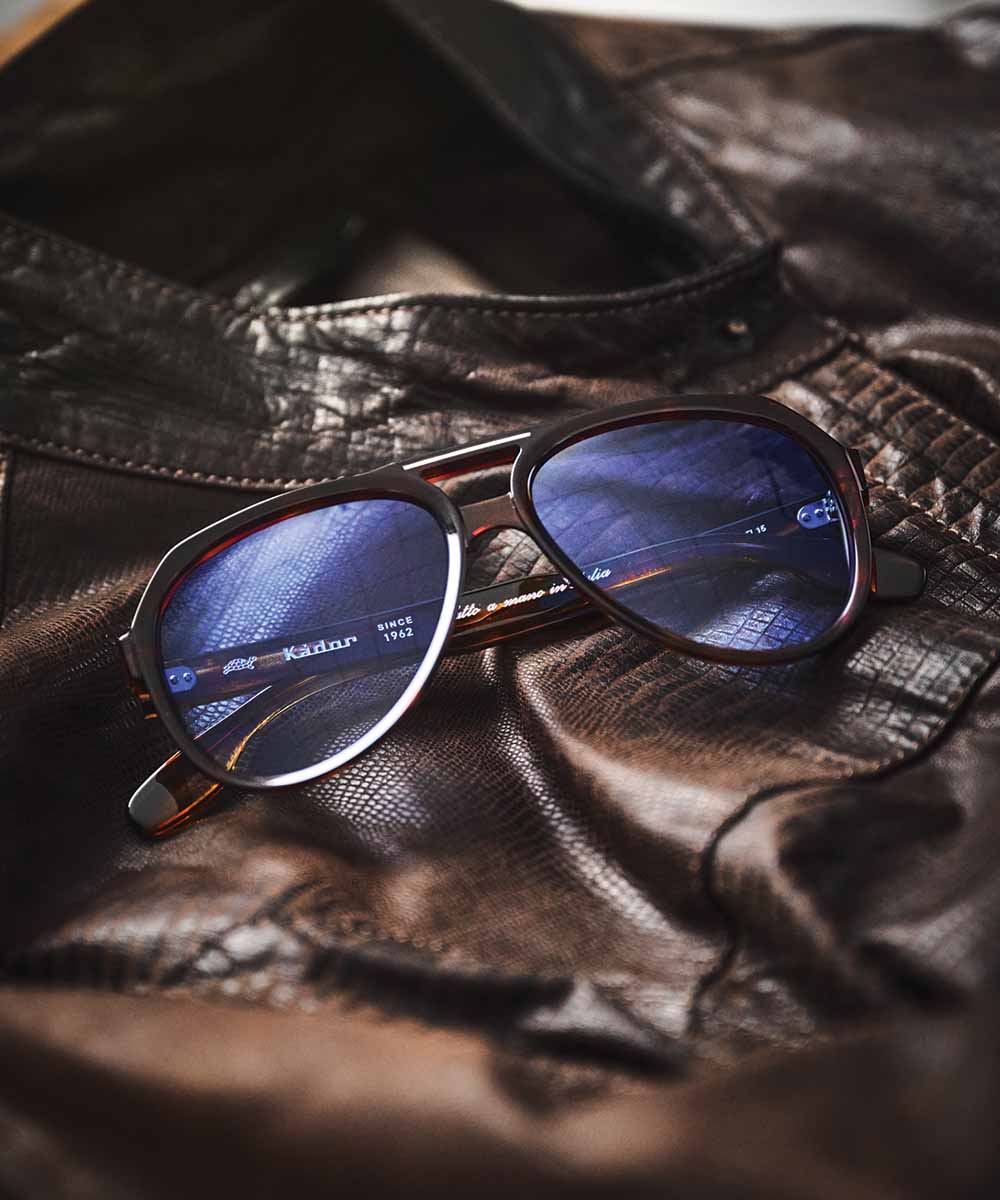
Founded in 1962 by Antonio Frescura, Kador Eyewear has stood as a refined expression of Italian artisanal craftsmanship for over six decades. Based in the renowned eyewear district of Cadore, the brand has continuously balanced tradition and innovation, combining time-honoured techniques with a contemporary design language. This approach results in eyewear that reflects both heritage and modernity with remarkable coherence. Kador’s commitment to quality begins with the careful selection of premium Italian raw materials of natural origin, brought to life through meticulous craftsmanship and attention to detail at every stage of production. Each frame embodies durability, precision, and a deep respect for material and process.When lifelong designer Enzo Sopracolle took over the company, he inherited far more than a brand. He stepped into a legacy shaped over decades in Cadore, widely recognised as the heart of Italian eyewear. Today, together with his son Mattia, he continues to redefine this heritage through a shared creative vision. We present an interview with Enzo Sopracolle on the evolution of Kador, the shared creative vision he has developed with his son Mattia, and the story behind the brand’s latest collection, Over the Hill.

When you took over a rooted heritage of Kador, what did you want to preserve and what did you change?
Kador has a rich heritage shaped by art, innovation, colour, and quality, and preserving this authenticity was essential for us. At the same time, my son Mattia and I wanted to transform this legacy into a more defined and recognisable brand. I focused on redesigning the collections and repositioning the company from a predominantly private label structure to a brand-driven model. In parallel, Mattia led the company’s evolution in terms of technology and organisation, introducing new systems, overseeing production processes, and expanding our facilities. Over time, the team has grown significantly, reflecting this transformation. Today, Kador is a family project that connects tradition with a contemporary identity built on shared values and vision.

What convinced you to take on a small independent workshop like Kador after working with major brands?
Eyewear has always been central to my life, and throughout my career I have focused on creating products that combine aesthetics, functionality, and identity. After working with major international brands, I felt the need to build something more personal and meaningful. My connection to Cadore played a decisive role, as it represents both my origins and the historical centre of Italian eyewear. Establishing a company in this region means contributing to its cultural and economic continuity while shaping its future. An equally important aspect is the opportunity to share this journey with my son Mattia, combining experience with new perspectives. This project reflects not only professional ambition but also personal values rooted in family, collaboration, and heritage.

What does the concept of ‘Made in Italy’, which is synonymous with the Cadore region, mean for Kador?
For Kador, Made in Italy is inseparable from Cadore, where eyewear craftsmanship has been developed and refined over generations. It represents a combination of artisanal expertise, technical precision, and respect for materials, particularly acetate. Operating within this ecosystem allows close collaboration between designers, artisans, and suppliers, ensuring both quality and consistency. Working exclusively with Italian partners reinforces this identity while maintaining aesthetic coherence. Cadore is not simply a place of production but a cultural and industrial environment that continues to evolve. For us, being part of this tradition means preserving its values while contributing to its future development.

How do you integrate new technology without losing the artisanal essence of the brand?
Our approach is based on identifying and preserving the manual processes that define true craftsmanship, as these remain essential to our identity. At the same time, we introduce advanced technologies where they can enhance precision, efficiency, and safety. Technology is not intended to replace human skill but to support and expand it. In many cases, new tools allow us to achieve levels of detail and innovation that would otherwise not be possible. This balance enables us to remain deeply rooted in artisanal tradition while continuing to evolve as a modern company.

What is the story behind the Over the Hill collection?
Over the Hill represents a synthesis of my personal and professional journey in the eyewear industry. It reflects more than forty years of experience, from early beginnings to collaborations with major international brands. At the same time, it is a tribute to Cadore, a place that has profoundly influenced my vision and development. The collection brings together these two dimensions, combining accumulated experience with a strong sense of identity rooted in place. Each model includes meaningful design elements that refer to my story, local craftsmanship, and the continuous evolution of design. It is a mature expression of my path, translated into a contemporary product.

How are the themes of experience and renewal reflected in the design of the collection?
In my usual design process, creativity is guided by market needs, research, and strategic considerations. For this collection, however, I deliberately chose to work without constraints, allowing a more personal and intuitive approach. This freedom made it possible to develop unique details that are exclusive to the collection and cannot be replicated elsewhere. These elements are not only aesthetic but also functional, resulting from a process driven by independent research rather than market logic. Each frame expresses a distinct identity shaped by experience and creative autonomy, giving the collection a refined and exclusive character.

As an independent brand, what allows Kador to remain relevant and competitive in today’s market?
Our strength lies in remaining consistent with our core values, particularly in terms of quality, design, and craftsmanship. This consistency builds trust and recognisability over time. At the same time, we continue to invest in the company’s growth through structured development strategies. Our collections are designed to meet the expectations of a diverse audience while maintaining a clear identity. By combining innovation with artisanal quality, we create products that stand out through their tangible difference. This balance is what enables Kador to remain competitive in an increasingly complex market.

What are your priorities for the near future of Kador? Tell us about your goals.
Our focus is on continuing to invest in production, materials, and human resources in order to strengthen the company and improve our processes. We are implementing a structured plan aimed at increasing brand awareness and supporting revenue growth. This includes reinforcing our presence in Europe and expanding into the American market, which we see as particularly promising. At the same time, we aim to evolve our collections while preserving a strong artisanal identity. We also place importance on maintaining our connection to Cadore by supporting local initiatives and strengthening ties with the community. Our goal is to ensure sustainable and long-term growth through a balance of innovation, development, and responsibility.

Source: 20/20 Europe

April 2026

Rodenstock Eyewear

Rodenstock Eyewear

Turning Lightness Into An Experience

“For us, eyewear becomes a true design object only through the perfect harmony of aesthetics and function.”

Rodenstock Eyewear presents a strong identity shaped around lightness and precision as a well established brand that brings together German engineering heritage with a contemporary design perspective. Placing the principles of functionality and minimalism rooted in the Bauhaus philosophy at the centre of its designs, the brand aims to deliver superior wearing comfort, perfect fit and long lasting performance with every frame. Advancing through a holistic approach in which aesthetic decisions evolve simultaneously with technical engineering processes, the brand transforms design not only into a visual expression but also into measurable performance. Developed through data driven engineering, Rodenstock eyewear seeks to go beyond industry standards in quality and establish a new benchmark of excellence. Bringing tradition and innovation together in a balanced way, the brand treats optical precision not merely as a technical feature but as a fundamental value shaping its design language. Since becoming part of the De Rigo Group, the brand has further expanded its international distribution strength while making its technical expertise more visible on a global scale and continuing to strategically reinforce its position within the premium segment. We present to our readers an interview with Rodenstock Eyewear Global Brand Director Stefan Kutschereuter, discussing the values on which the brand has repositioned itself, how it is strengthening its presence in the premium segment, the feedback received from partners and its new communication campaigns.

Rodenstock Eyewear has been changing how it presents itself. What led to this repositioning, and how would you describe where the brand is heading now?
I believe that long-term success is driven by a clear strategy and a strong, well-structured organisation. For sustainable growth, you need the right products, a compelling price-performance ratio, and a brand story that is authentic. From the very beginning, our priorities have been clear: we’ve reshaped both our product direction and our brand messaging around our core Dna. Our brand strategy and positioning are built on a clear foundation of creating a distinctive collection that highlights lightness, innovation, and premium quality materials. Rodenstock is deeply rooted in the minimalist Bauhaus philosophy, where lightness and precision meet German engineering. This mindset guides everything we do and continues to shape the future of our collections.

What are you hearing from opticians and distributors so far? Have any reactions to the new direction stood out?
Rodenstock, as a brand, enjoys a high level of trust worldwide and is a true pioneer in the field of optics. The feedback from international markets on our new brand direction has been overwhelmingly positive. It’s not just about the new collection – our partners are also experiencing the value the brand brings to their day-to-day business. Customers immediately notice a Rodenstock frame’s light, comfortable fit.

Rodenstock Eyewear became part of De Rigo a few years ago. How has this shaped the collection and the brand’s role within the group?
De Rigo is a truly global player in the eyewear industry, driven by a clear strategic vision and, above all, by dedicated and passionate people. The company stands out with a strong and distinctive brand portfolio, and the integration of Rodenstock Eyewear has further strengthened the De Rigo premium division. Rodenstock Eyewear brings technical expertise, innovation, and genuine engineering excellence to the portfolio. Each model in our collection reflects our unwavering commitment to the philosophy of lightness. This principle is non negotiable for us. Any concept that does not align with this approach is not included in our collection, and every Rodenstock frame is developed by our team in Munich. We handle everything, from the first idea to design, technical development, and the prototype. Our close collaboration with the headquarters in Italy is essential. That tight connection ensures precision, quality, and continuous improvement throughout the entire process.

How are you keeping Rodenstock’s heritage in optical precision alive in the eyewear collection while also aiming for a more modern look?
Rodenstock is a strong and highly trusted brand in the optical industry. Their exceptional fit and outstanding wearing comfort—core pillars of our brand promise—are consistently praised across global markets. Our engineering team in Munich ensures that every product meets the highest standards. The designers in our studio also carry an engineering mindset, each ideally representing the standards of German engineering. By bringing design and engineering together, we develop innovative technical solutions that elevate aesthetic excellence to the highest level. In this way, we combine stability and durability with lightweight and refined designs. We work closely with Rodenstock on all strategic decisions, leveraging their decades of expertise and data-driven insights. This partnership enables us to achieve outstanding precision and comfort in every frame of our collection.

The collection feels more focused than before. How would you define your current design direction?
For us, eyewear is a true design object only through the perfect interplay of aesthetics and function. Our design concept is therefore built on timeless design combined with innovative technical details. At Rodenstock, we strongly believe in one simple principle: form follows lightness. Guided by this vision, our design and engineering team in Munich continuously focuses on developing innovative solutions that respond to the needs of both end users and opticians. As our design team in Munich always says, “We don’t just design eyewear, we craft an experience.” An experience rooted in clarity, precision, and effortless simplicity.

What new tools or materials are you giving your partners to help them share the updated Rodenstock story in their stores?
I’m convinced that lasting success comes to brands that stand for a clear, authentic purpose—and have the courage to be different. With our new Rodenstock Eyewear campaign, Experience Lightness, we’re bringing that purpose to life. Each Rodenstock series is unique, with its own technical innovations and design features, yet they all share one defining quality: exceptional lightness paired with timeless design. We’ve also developed an entirely new POS experience to complement the Experience Lightness campaign, reflecting Rodenstock’s core values in a tangible, engaging way.

What’s next for Rodenstock Eyewear? What can people expect in terms of new products or the development of the brand over the next couple of years?
What’s next for Rodenstock Eyewear is a clear focus on strengthening our position as a premium, technical brand in the world of eyewear. In the coming years, every new release will reflect a seamless balance of innovation, lightness, and timeless design, while staying true to our technical Dna and strong, recognisable brand identity. We will continue to invest in new materials, advanced production technologies, and intelligent design solutions that make eyewear not only lighter and more comfortable, but also more precise and functional than ever before. At the same time, we will further refine the Rodenstock design language—clean, minimal, and purposeful—always guided by our philosophy of “form follows lightness”.

Source: 20/20 Europe

March 2026

Sestini

Sestini

Craft, Refinement and the Beauty of Restraint

Sestini blends minimal lines and sculptural forms, approaching functionality through the lens of Italian craftsmanship.

Founded in 2020 by Italian entrepreneur Carlo Sestini, independent eyewear label Sestini continues to attract attention in the global optical market with its prestigious luxury design language and commitment to the highest quality standards. Produced by master artisans in Italy, the brand builds its collections around pieces conceived as collectibles, honouring traditional techniques and Italian expertise. With a refined yet understated elegance, Sestini’s designs reflect a discreet sophistication shaped by craftsmanship and intention. Preferring deliberately limited production, the brand presented its compact collection successfully at Mido 2026 and is now preparing to reinterpret its signature colours for the new year, remaining faithful to a timeless design approach that will endure into the future. We present interview with Founder and Creative Director Carlo Sestini, who shares insights into the brand’s story, design philosophy and collection.

Hello Carlo. Could you briefly introduce yourself to our readers and share your journey towards creating your own eyewear brand?
I studied international law and diplomacy in London, and my dream was to become an ambassador. That was my goal in life. Later, I was scouted by a modelling agency and began working as a model in 2014. The photographs I shared on social media attracted attention, which led me to work with various brands as both a model and an influencer. During that time, I had the opportunity to travel extensively around the world. I have always seen eyewear as a way of expressing myself. When I was younger, especially during my school years, glasses also helped me hide my eyebrows and made me feel protected. When I wore glasses, I felt I could look people in the eyes while still having something that shielded me. The idea of creating my own eyewear brand was always there. Before taking concrete steps in 2019, I bought a piece of land and experimented with producing wine and olive oil. I was still working as a fashion consultant, model and influencer at the time, but by 2020 my focus had shifted entirely towards Sestini and creating luxurious Italian eyewear. I carried out extensive research on Italian eyewear and realised there were no other young Italian brands truly focused on quality, luxury and timeless appeal.

Was launching your brand in 2020, a year that affected the entire world so profoundly, particularly challenging for you?
Initially, yes, especially as it coincided with the Covid pandemic. I decided to approach retailers directly, and this is how we managed to build a very particular network for Sestini. From the very beginning, I chose not to take on investors. I wanted to grow the brand in a traditional way, step by step. Today, I work closely with CP Agency for the distribution and global development of Sestini. This collaboration began in 2021, and since then we have introduced the collection to many new markets, including Turkey, India, Benelux and Australia. This partnership has truly acted as a catalyst for the brand’s growth.

Could you tell us more about the identity of the Sestini collection and its design philosophy?
Sestini combines minimal lines with sculptural intention, merging functionality with an approach rooted in Italian craftsmanship. For us, eyewear is part of a broader lifestyle. Art, refinement and the beauty of restraint form the core of Sestini’s Dna. The design language can be described as discreet yet iconic. Subtle identity elements, such as the engraved half-lily detail, reflect this approach. We never wanted to be a brand recognised solely by its logo. Instead, we developed our own custom rivets and placed the emphasis on the details of the product. When you touch our frames, you can really feel that the temples have been shaped and carved by hand.

Could you also tell us about the materials you choose and your production philosophy?
I focus on ensuring that the material I use truly feels special to the person wearing it. Whenever someone wears a Sestini frame, I want them to experience an exceptional fit and comfort, much like the feeling of putting on a beautifully soft cashmere sweater. At Sestini, our aim is to design frames that can be passed down from generation to generation. We work with deadstock acetate sheets from Mazzucchelli and select special formulations from the brand’s archive. Traditional Italian techniques are applied with modern precision. Our lenses are provided by Zeiss, and each frame is individually numbered to ensure traceability and a sense of exclusivity. We deliberately keep our production limited, as we believe staying away from mass production is the only way to preserve quality and integrity.

Could you share some details about your frames and explain what the Sestini emblem represents to you?
We focus just as much on fit as we do on craftsmanship. I see each design as a beautiful object that you would want to keep. One of Sestini’s aesthetic signatures is the metal connector detail that joins the hinge to the acetate, which we intentionally allow to stand out and be felt by hand. The rivets used for this connection were inspired by the large bolts found on historic Tuscan doors. Although this approach is more costly and all the rivets are gold plated, I preferred them to remain visible rather than hidden within the acetate. Our dolphin emblem originates from a family memory. My grandmother gave my mother a charming dolphin necklace, which led my mother to develop a deep affection for dolphins. She used to call my brother and me “my dolphins” as a nickname. For us, the dolphin symbol represents affection and a sense of being loved. We also incorporated the Florentine fleur-de-lis. Although the hinges are positioned on the inside, they are both decorative and functional, serving as a subtle reminder of the exceptional quality of the frame the wearer is using.

How did your journey of finding the right production partner in Italy for Sestini unfold?
This was definitely the most challenging part. When I started, I had to rely on word of mouth and attend countless meetings to identify the right artisan. It took time. I am fortunate to be working with an inspiring, Veneto-based family business that truly understands my product and is able to deliver a rare level of quality. Witnessing their attention to detail and the dedication that has been passed down from generation to generation continues to excite me every time. What I really want to showcase through Sestini is this culture of craftsmanship. My aim is to present an authentic Italian expertise rooted in love and passion for eyewear. In the future, artisans will continue to lead eyewear design. The hands-on work is incredibly beautiful and valuable, and it deserves to be supported and sustained. Preserving this reality is, for me, the most important mission.

Thank you for this valuable interview. Finally, could you share the story behind your distinctive packaging designs?
The idea behind our packaging is inspired by carta fiorentina, the paper Florentine grandmothers traditionally use to line their drawers. The interior of our cases carries this texture, creating a sense of a protective layer for the glasses. I have many more ideas for developing our packaging further. We are allowing these unique concepts and additional details to evolve over time. I want my own expression to be present in these accessories as well, always with the highest level of quality and attention to detail. With Sestini, I do not simply want to offer eyewear; I want to offer history, craftsmanship and a complete experience.

Source: Eyestylist

February 2026

Eschenbach Optik

Eschenbach Optik

German Quality Building the Future of the Industry

“Silmo Istanbul 2025 clearly demonstrates the transformation from a local optical fair into a highly professional international eyewear exhibition.”

With more than a century of history behind it, Eschenbach Optik stands out not by chasing high fashion, but by staying firmly rooted in precision, quality and reliability. Guided by a clear vision to improve people’s quality of life, the company builds its long-term success on transparency, respect and close, trust-based partnerships across the optical industry. Today, Eschenbach’s diverse portfolio spans eight eyewear brands, including strong house brands and carefully selected licenses. From its latest patented hinge technologies to the launch of the Tom Tailor eyewear license, and advanced solutions for low vision such as Optaro XL, the company continues to pursue innovation with consistency and purpose. Eschenbach Optik remains deeply committed to the values embodied by the “Made in Germany” designation, defined by a strong sense of responsibility, engineering excellence and a long-term approach to value creation. We now proudly present an exclusive interview with Walter Kaiser, Vice President International Sales at Eschenbach Optik, in which he shares insights into the company’s philosophy, global strategy and the new launches shaping the future of the optical world.

Hello Mr. Kaiser, to begin with, we would like to get to know you better. Could you tell us about your professional background and your role at Eschenbach?
My name is Walter Kaiser. I am Vice President International Sales at Eschenbach Optik and have been with the company since 1991. I studied economics, with a professional background in international business. After gaining initial experience in various industries including pharmacy, electronics and float glass, I had the opportunity to enter the optical sector and decided to stay. It has proven to be the right decision.

Eschenbach is a strong brand with more than a century of history. Could you share the core values and industry approach that shape the company today?
Eschenbach Optik has been active in the optical field since 1913. Today, we are the global market leader in low vision devices with the Eschenbach brand, and a major player—by far the German market leader—in eyewear, with six corporate brands and three licensed brands. Our main motivation is to improve people’s quality of life. From an industry perspective, we see ourselves as a true partner to opticians, operating on equal footing and with mutual respect.

You have a broad portfolio. Could you tell us about the key characteristics of your brands and how they complement one another?
Our corporate eyewear brands include Titanflex, Humphrey’s, Brendel, Jos. Eschenbach and Freigeist. Each brand is designed for a clearly defined target group. We offer eyewear for everyone—from children to seniors; from fashion-forward to classic styles; from colorful and bold designs to reduced and discreet aesthetics; and from affordable to premium segments. Our licensed brands—Marc O’Polo, Mini Eyewear and our newly launched license Tom Tailor—are developed in line with the individual positioning and DNA of these well-known brands. What all our frames have in common is a strong focus on wearing comfort. An Eschenbach frame must fit perfectly. High quality and excellent service are non-negotiable for us.

When presenting your portfolio to international markets, what criteria do you prioritize when selecting distributors?
Every Eschenbach distributor must fully understand our philosophy, vision and mission, and be capable of representing them flawlessly in their respective markets. Eschenbach Optik is currently represented in more than 80 countries worldwide, which clearly demonstrates that this approach works.

How do you integrate the feedback from your distributors into your export approach?
We maintain very close relationships with our partners. We meet regularly at exhibitions, visit them in their markets, stay in daily contact and listen carefully. In addition, we work closely with renowned trend scouts. When preparing our strategic meetings, we integrate feedback from our market partners regarding upcoming trends and developments, and incorporate these insights into our internal discussions and decision-making processes.

How do changing market dynamics influence your export strategies? Which factors do you prioritize in your strategic planning?
In general, markets do not change overnight. Disruptions can occur, but they are relatively rare. In the eyewear sector, the time-to-market for a new product is easily one year or more. However, as in the fashion world, upcoming trends can be anticipated to a certain extent. When necessary, we are able to react quickly and flexibly. We never aim for short-term gains; instead, we focus on long-term, stable partnerships. This philosophy is clearly reflected in our strategic planning.

German engineering and innovation are two of Eschenbach’s strongest pillars. How do these qualities translate into your product development and design processes?
The ‘Made in Germany’ label is globally associated with quality and service, and these values form the foundation of Eschenbach Optik’s positioning as a German company. We were among the first to implement industrial quality standards in the eyewear sector. Our R&D engineers are involved at very early stages of product development to ensure the highest quality levels before production begins. Eschenbach engineers are permanently present at production sites to guarantee consistently high manufacturing standards. Every product that enters our inventory follows the same quality procedures. Even after shipping, we carefully monitor perceived quality for each individual item and take corrective action if necessary. While nothing is ever 100 percent perfect, being on equal footing with opticians also means maintaining a service stock for every item to ensure long-term support. We fully understand that no optician appreciates dissatisfied consumers due to frame defects.

Eschenbach Optik embraces a responsible, sustainability-focused corporate mindset. Could you share some of your recent initiatives in this area?
Environmental protection is a key management priority for the future of the industry, and Eschenbach is committed to continuously reducing its carbon dioxide footprint. Achieving CO₂-neutral production and distribution is a long-term process rather than a one-time solution. At top management level, Eschenbach has established dedicated operational teams that meet regularly to discuss and implement incremental steps toward a more sustainable future. Examples include the use of recycled aluminum for temples in our Titanflex collection, the use of Acetate Renew for plastic frames, and replacing plastic protection bags with recycled materials. And these are just a few of many ongoing initiatives.

You are represented in Turkey by Delta Optik. How would you evaluate this partnership and Eschenbach’s position in the Turkish market?
Our partnership with Delta Optik began in 1992 and has evolved over the years from a successful business relationship into a genuine friendship. Delta Optik represents Eschenbach’s values perfectly and has played a key role in the premium eyewear market in Turkey for many years. Turkish opticians highly appreciate the cooperation with Delta Optik and are satisfied customers—just like our more than 40.000 optician partners worldwide.

Eschenbach Optik has recently taken several important steps in both innovation and brand development. Could you tell us more about them?
Eschenbach has recently filed a patent for a new Microtech hinge construction that prevents temples from loosening or unscrewing. This hinge has already been introduced in the Titanflex collection and is now also featured in the first Marc O’Polo frames, offering a clear and visible benefit for consumers. At Silmo Paris 2025, Eschenbach also launched a new eyewear license, Tom Tailor. This brand shows strong growth in the accessible fashion segment for young and young-at-heart consumers, allowing Eschenbach to expand its price portfolio to meet increasing demand for entry-level products. In the low vision segment, we proudly introduced Optaro XL—an app-based camera system for iPads that transforms a standard iPad into a fully functional electronic reading device, including a read-aloud feature. These represent our key innovations for 2025.

How do you assess the development of Silmo Istanbul and its contribution to the global optical industry?
Silmo Istanbul 2025 clearly demonstrates the transformation from a local optical fair into a highly professional international eyewear exhibition. Congratulations to the organizing team—they have done an excellent job.

January 2026

Masunaga

Masunaga

Timeless Craft & Art at 120!

Soutaro Masunaga, fourth-generation heir and CEO of the legendary brand, sees their 120th anniversary as a rare opportunity for self-reflection and learning from the past.

When a brand not only spans decades but endures for more than a century, it stands as a powerful testament to extraordinary resilience, an unwavering commitment to quality, and a clear, design-driven vision. Masunaga, widely regarded as one of the finest examples of Japanese eyewear craftsmanship, celebrates its 120th anniversary this year. To mark this milestone, Soutaro Masunaga, Ceo and fourth-generation member of the founding family, shares his reflections on the brand’s humble beginnings in Fukui, the visionary philosophy of his great-grandfather Gozaemon Masunaga, and the delicate balance between tradition and technical innovation. He also offers an exclusive look at the anniversary highlights, including the limited ‘Edition 120’ models and the second release of the Moc series, a line that distills masterful design and top-tier craftsmanship into its every detail. We are pleased to present this insightful conversation on what it truly takes to shape a brand with timeless character.

Hello Yasunori, Masunaga is celebrating its 120 years this year. Could you give us a brief insight into the beginnings and early development of the brand?
Sure. The company founder Gozaemon Masunaga brought in skilled craftsmen from Osaka and Tokyo with the ambition of setting the optical industry solidly in place in Fukui, Japan. That wasn’t easy. He entered into the industry the hard way, and at first the frames manufactured in Fukui were regarded as third-rate, or even unsellable. He established a guild-like system where fully-fledged craftsmen could create their own businesses, and he even helped them financially. Thanks to this system, the number of eyeglass craftsmen gradually increased, and the optical industry spread throughout Fukui.

Which milestones in Masunaga’s company history are particularly significant for you personally?
There are many historical events I could point to in our company’s history, but personally, winning the Silmo d’Or three years in a row – 2013, 2014, and 2015 – was the biggest milestone. That helped boost brand recognition, especially in European markets.

Today, Masunaga is synonymous with quality around the world. What makes your brand so unique?
We produce and sell our own brand. As a manufacturer – especially in Fukui – most optical companies today are responsible for just one part or process, and one pair of eyeglasses is completed cooperatively by many companies. In contrast, Masunaga manages all of the production processes: designing, material research, metal processing, and coloring, all in our own factory. This total dedication ensures consistency, quality, and performance. We are certainly a Japanese brand, but we don’t particularly emphasize the “Made in Japan” aspect. We almost want our products to be stateless – not to fall into a specific category. We want our customers to love our products because they are designed and made by Masunaga. We want them to see Masunaga as timeless – but that kind of timelessness takes years to build. When you say your brand is timeless, you must truly mean it. You can’t just say it.

How do you manage to maintain a balance between tradition and modern innovation?
We manufacture excellent eyeglasses. We want to make a profit if we can, but we don’t hesitate to take a loss. It is always in our thoughts to manufacture excellent eyeglasses. This mission statement serves as our code of conduct and helps maintain the balance between tradition and modern innovation – because both are essential to creating excellent eyewear.

To what extent do current design trends and technological developments influence the new collections?
It may sound strange but we want the quality of our frames to be the coolest part of what we do. We want our customers to go, “Wow, this is really beautiful.” I don’t think we are a trend setter or a follower, but I hope our customers think we have our own style.

You are celebrating an anniversary that spans over a century. Could you tell us about the initiatives have done to honor this special year?
We launched a special website celebrating our 120th anniversary. There is special content focusing on the evolution of Masunaga frames. You see our historical frames there. Also we’ll introduce 120th anniversary special edition frames Edition 120. Two models are fashioned from our proprietary technology of joining the 18K gold and titanium.

You have also launched a second edition of the Moc series. Could you tell us about the collection’s features and the innovations in the second edition?
Moc is an abbreviation for “Masters Of Craft”. We launched the line at Silmo 2024, and the first collection was well-received by our customers. We wanted to create a first-class eyewear collection that represents the epitome of craftsmanship. This is a limited quantity release and exclusively available at 100 stores worldwide. Each frame has its own serial number. We want Masunaga Moc to be very nearly the best eyewear collection we can create. Masunaga Moc features 5 micron gold plated parts, sterlin silver decorations, double shield pads, 3.5mm wide custom rim with three lines details, hand applied enamel work, and so on. It’s a masterpiece that combines design and technical skills. Masunaga Moc 2nd collection will be optical only, in contrast to 1st collection being sunglasses only. There are some new design elements as well.

After 120 years of success, where is Masunaga headed in the future? What visions and goals will we see come true next?
Of course, the 120th anniversary is something to celebrate – but we also see it as just another milestone. Our 120th anniversary logo shows the number 120 turning into 121, and that says it all. It’s a great opportunity to reflect on ourselves and learn from our past. I certainly hope our brand and our products will remain relevant and desired for the next decade – and beyond. Our story continues.

Source: Spectr

December 2025

Hoffmann Natural x Press Eyewear

Hoffmann Natural x Press Eyewear

Where Passion Shapes Solid Collaboration

Hoffmann Natural and Press Eyewear, united by a shared passion for natural buffalo horn, prove once again the power of collaboration in the eyewear industry.

Germany’s premium brand Hoffmann Natural Eyewear, based in the Eifel region, has been a pioneer in buffalo horn since 1978, showcasing the unique and superior qualities of this natural and sustainable material through its exceptional collections. At Hoffmann, this natural material transforms into bold shapes, modern color palettes, and contemporary, original designs, drawing its true strength from the brand’s passion for eyewear and dedication to superior craftsmanship. Since 2024, Hoffmann’s atelier has not only produced its own collections but has also engaged in a growing collaboration with Jeff Press, the founder and creative director of Press Eyewear, whose experience of over 20 years in iconic brands such as Robert Marc NYC and Morgenthal Frederics has shaped American eyewear design. We present an interview with Wolfgang Thelen, Owner of Hoffmann Natural Eyewear, and Jeff Press, Founder and Creative Director of Press Eyewear, about how a shared passion for eyewear, and specifically for natural buffalo horn, has evolved into a transatlantic collaboration.

Hello Wolfgang and Jeff. Could you start by telling us when and where you first met?
Wolfgang: Hello! Our first meeting actually dates back to 2002. Jeff came to visit our workshop in the Eifel region together with Richard Morgenthal, founder of the long-established luxury eyewear brand Morgenthal Frederics. That year was memorable for me in two ways: it was the year my daughter was born and also the beginning of our first creative collaborations, which excited both of us from the start.

Jeff: Yes, 2002 was a turning point for me as well. It was my very first visit to a traditional eyewear workshop in Germany, and even though I had already been in the industry for some time, I remember feeling the thrill of a new era that would be full of inspiration and friendship.

Jeff, you’ve been part of the eyewear industry for many years. In 2024, you founded your own brand, Press Eyewear. What led you to take that step?
Jeff: I felt it was finally the right moment. I’ve been wearing glasses since I was one and a half years old, yet I never imagined I’d work in this field until I turned 23. My journey began in 1998 at the store of the legendary Robert Marc, where I started as a salesperson, and that path eventually brought me to my own brand. I’ve always found the history of eyewear fascinating, especially the 1990s. I saw my brand as an opportunity to revisit that era with a contemporary and multi-dimensional perspective. My starting point was to create an eyewear brand inspired by diverse fields — from automotive and jewelry design to music and fashion icons — but with one core element: material. In all our designs, the material had to be the star, because only then could each piece have its own unique, organic flow.

Press Eyewear is based in New York. Would you say the brand carries the city’s typical spirit and energy at its core?
Jeff: New York is such a dynamic place and it always leaves room for mixing different styles. I’ve worked here for many years, and for me the city is a constant source of creativity and new inspiration. I wanted to create a brand that draws from global influences yet still reflects the essence of its home city. I’ve always been fascinated by New York’s multicultural nature; that’s why I love designing products that appeal to many different people and can meet varied expectations.

You collaborate on the natural horn collections of Press Eyewear. How did this partnership evolve?
Jeff: For me, everything begins with the finest materials and the highest craftsmanship. I wanted to work with a natural and noble material like horn and I found that unique, eco-conscious, and visionary approach to production at Hoffmann. With Wolfgang and his team’s support in material and manufacturing, I designed USA’s first buffalo horn collection for Morgenthal Frederics back in 2006, and we’ve been working together ever since. It’s almost 20 years now. Honestly, I never even considered anyone else for the horn collections of Press Eyewear.

Wolfgang: It’s a meaningful partnership for us as well. Jeff’s vision has opened a new dimension in our world of natural eyewear. Combining our expertise in buffalo horn with his creative approach always creates an exciting synergy.

Wolfgang, you are considered a pioneer in horn eyewear. What makes this natural material so special to you?
Wolfgang: Buffalo horn is actually one of the oldest materials ever used in eyewear production. We’ve always been drawn to it for its lightness, durability, aesthetics, hypoallergenic nature, and sustainability. The variety of tones is incredible. By combining different natural shades and plant-based dyed horn plates, we’ve created more than 500 unique hues over the past 24 years. Its tactile feeling is also incomparable; it’s truly hard to match with any other material.

Jeff, you’re also passionate about buffalo horn. What does this natural material mean to you personally?
Jeff: From the very beginning, I’ve been fascinated by the beauty of natural buffalo horn. Each frame carries its own character and merges with the face, becoming the ultimate form of eyewear. My design partner at Press, Riya Mehta, often tells me that “working with horn is your happy place”. I want people to feel the same sense of excitement about their eyewear as they do about the other precious objects in their lives.

Wolfgang, you’re now distributing the entire Press collection in the DACH region. Can we take that as a sign your partnership will continue to grow?
Wolfgang: From the very first moment, we were convinced that Press would add a fifth dimension to our natural horn universe. There was never a moment of hesitation, and yes, we can say with confidence that our friendship and collaboration, now spanning two decades, will continue to grow even stronger.

Source: Spectr

November 2025

You Mawo

You Mawo

Custom 3D Printed Eyewear Specialist

Approaching its 10th year in the industry, You Mawo not only makes custom eyewear accessible to everyone but also focuses on perfecting the entire user journey, from facial scanning and fit analysis to production.

Founded in 2016, the German-based eyewear company You Mawo is an innovator in the production of customised 3D printed eyewear – created using high-quality polyamide powder and selective laser sintering (SLS). Developing every part of the process from scratch, You Mawo has created a totally unique form of fully customised eyewear built according to the wearer’s data via a process that has been thoroughly streamlined for the ultimate “custom fit”. We are pleased to present an interview with Daniel Miko, Co-Founder of You Mawo and Head of Design, Product and Development, delving into the brand’s journey and its current position.

Hello Daniel, could you share the purpose and vision behind founding You Mawo, and reflect on the journey the brand has taken so far?
The founding idea behind You Mawo was driven by a simple but powerful observation: every human face is unique — in shape, size, and proportion — and yet the eyewear industry had been working for decades with standardized sizes and rigid design processes. We wanted to change that. Our goal from day one was to create a world where eyewear is not only responsibly produced, but also truly tailored to the individual. That’s why our guiding principle has always been: “Faces come in billions of shapes and sizes. Eyewear should do the same.” Looking back now in 2025, this vision is more relevant than ever. Technological advancements, especially in 3D scanning and additive manufacturing, have allowed us to stay true to this core idea — not just in theory, but in practice. And that’s something we’re incredibly proud of.

Over the years, what design steps, innovations or products have you been most proud of and why?
There are several aspects of our work that we’re especially proud of. From a design perspective, our capsule collections and the creations within the Youniverse have allowed us to push boundaries — both aesthetically and technically. These projects serve as a kind of experimental space where we test new materials, explore unconventional shapes, and reimagine what eyewear can be. On the customization side, we’ve consistently challenged ourselves to improve our system. It’s not just about making custom eyewear accessible — it’s about refining every step of the user journey, from facial scanning to fit analysis to production. This constant questioning of the status quo is a defining part of our culture at You Mawo, and it’s something we see as essential to innovation.

In 2025, with the growing interest in smart glasses, how would you assess the current state and potential of 3D printed eyewear?
We’ve definitely come a long way, and the level of sophistication in 3D-printed eyewear today is remarkable — especially in terms of material quality, precision, and individualization. But we believe we’re still just scratching the surface. Additive manufacturing offers unmatched flexibility when it comes to design freedom and personalization, and we see tremendous untapped potential — especially when it comes to integrating technology. Smart glasses are back in the spotlight, and the convergence of custom fit and smart functionality is a space where we see unique opportunities. Our manufacturing approach enables us to create solutions that are not just smart, but also comfortable, stylish, and truly tailored to the wearer — something mass-produced smart glasses often lack, that’s why we see plenty of room for smart glasses to give them the comfort they need.

Do you feel that 3D printed eyewear has gained more recognition in the last couple of years as a prestige design product?
Absolutely. There’s a growing appreciation for the possibilities that additive manufacturing brings to the world of high-end eyewear. What was once seen as a niche or experimental approach is now being embraced by more and more designers — and even luxury brands — as a serious, forward-thinking production method. We’re seeing the perception shift: 3D-printed frames are no longer just about technical innovation — they’re being recognized for their design value, for their sustainable production process, and for their ability to offer a truly personal product.

Has the introduction of AI opened up doors for your work at You Mawo and if so how?
Yes, AI has become an increasingly valuable tool in many areas of our work. We’re especially intrigued by its potential in the design process. Rather than replacing creative thinking, we see AI as a kind of sparring partner — one that allows us to challenge our ideas, discover unexpected forms, and introduce new dynamics into our design language. Beyond design, we also see potential in areas like fit optimization, customer interaction, and even predictive personalization — helping us to better understand what people need before they even realize it themselves. We’re still in the early stages, but the possibilities are truly exciting.

Does your design approach constantly shift, and what was your main source of inspiration for the 2025 collections?
In 2025, we’ve really focused on going back to our roots — questioning who we are as You Mawo and what defines our design language. We reflected deeply on our core, and that was truly great — it gave us a clearer picture of who we are and what makes us unique.

Source: Eyestylist

October 2025