




Burbas Studıo
Capturing the Story Behind Eyewear
According to Burbas Studio, creating impactful campaigns in the age of AI is not only about embracing new technologies, but also about preserving a brand’s character, authenticity, and story.
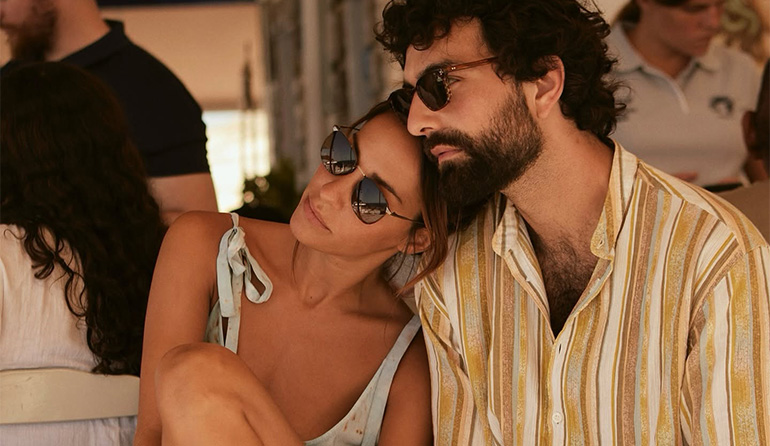
Cologne based creative agency Burbas Studio founders Fabian Burgard and Max Bastian have increasingly drawn attention in recent years through their work at the intersection of fashion, advertising, and eyewear photography. Bringing photography and video production together under one roof, the studio delivers a wide range of projects spanning from e-commerce content to international advertising campaigns. Most recently, the team produced Coblens Eyewear’s 2026 campaign, earning recognition for an approach that combines analog photography with a contemporary visual communication language. At a time when artificial intelligence is playing an ever greater role in creative campaigns, photographer Fabian Burgard advocates for a more balanced use of digital technologies, particularly for eyewear brands that place craftsmanship, authenticity, and human storytelling at the center of their identity. We present the interview with Fabian Burgard, co-founder of Burbas Studio, discussing the evolution of photography, the future of eyewear campaigns, and the creative vision behind the Coblens 2026 campaign.
When did you start specialising in eyewear and how does this style of photography fit with your expertise?
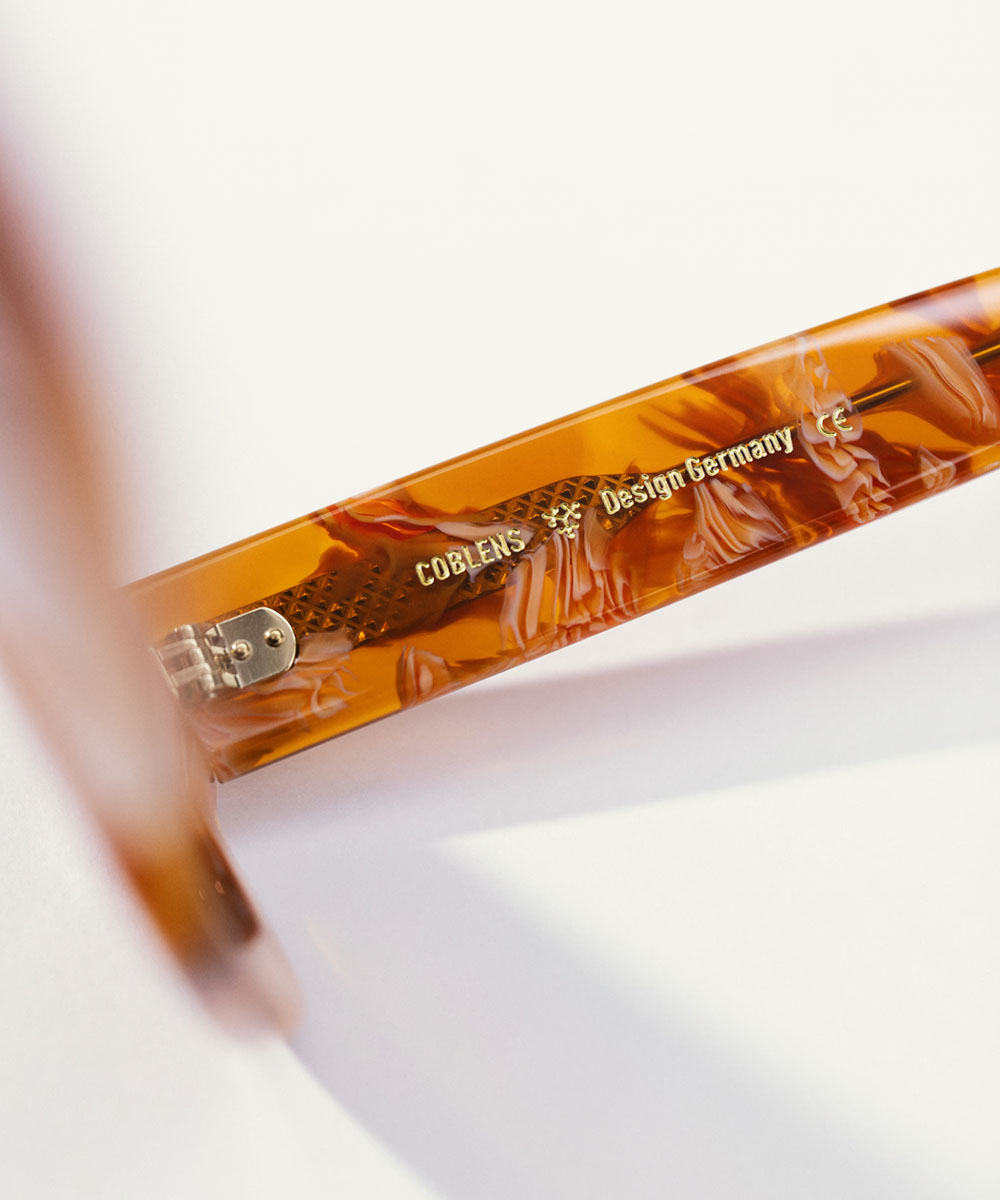
I first worked for an eyewear brand in 2019. It fits well with what I do, as I also shoot in other areas of fashion. Outside of work I also developed a big interest in the fashion industry as well (even if my own outfit looks pretty much the same most days). A real “expertise” for eyewear came over time. Glasses are a tricky product: they’re reflective, often super delicate, and the photographed angle makes a huge difference. Over the years, I think I developed a feel for what makes a frame look right, how to place and light it. So it’s something that really grew through doing it and will probably keep growing.
What is your view on AI and photography campaigns? Are you using AI at Burbas and what advantages have you seen?
AI is a great tool, when it actually makes sense. We’ve been developing workflows that let us keep the product design consistent, to use when it serves the concept. That can make it possible to create more complex looks without blowing the budget, which is a win for a lot of brands. At the same time, it’s very client- and brand-dependent. We actually still produce full analog shoots, and we even have our own in-house darkroom for film development. The main thing for me is that AI shouldn’t override a brand’s authenticity. If a label is rooted in tradition or draws from specific decades and craft, you need to reflect that honestly and sometimes that means AI simply isn’t the right tool (at least right now). In the end, I don’t think you should ignore AI either or use it just because it is new or even hyped at the moment.
You recently worked on Coblens Eyewear’s 2026 campaign. Could you share some insights into the production process and what made this project stand out?
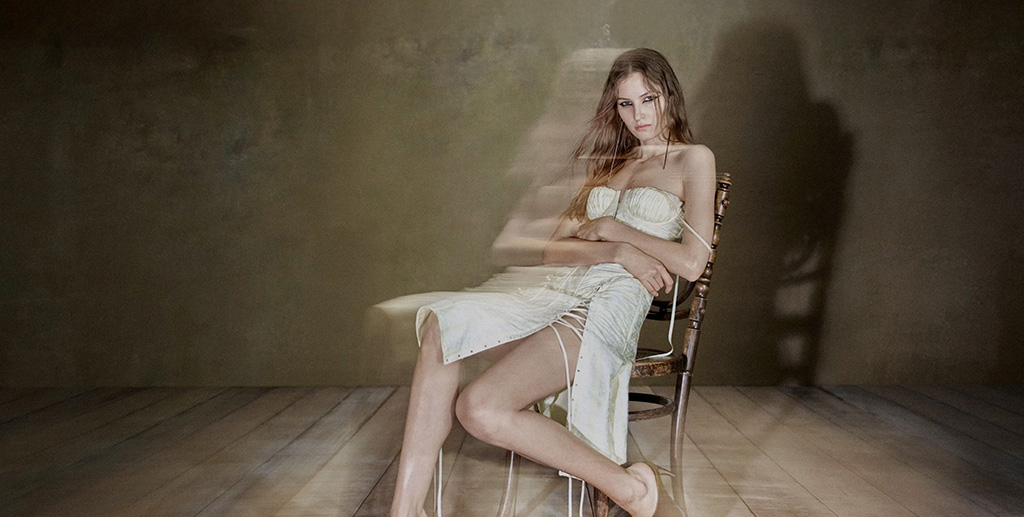
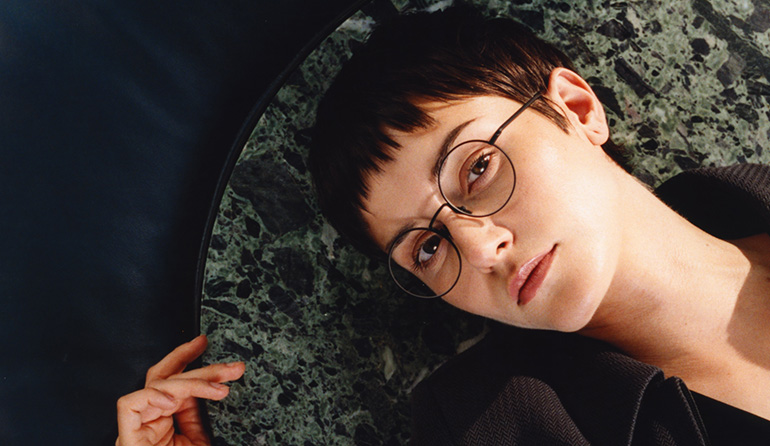
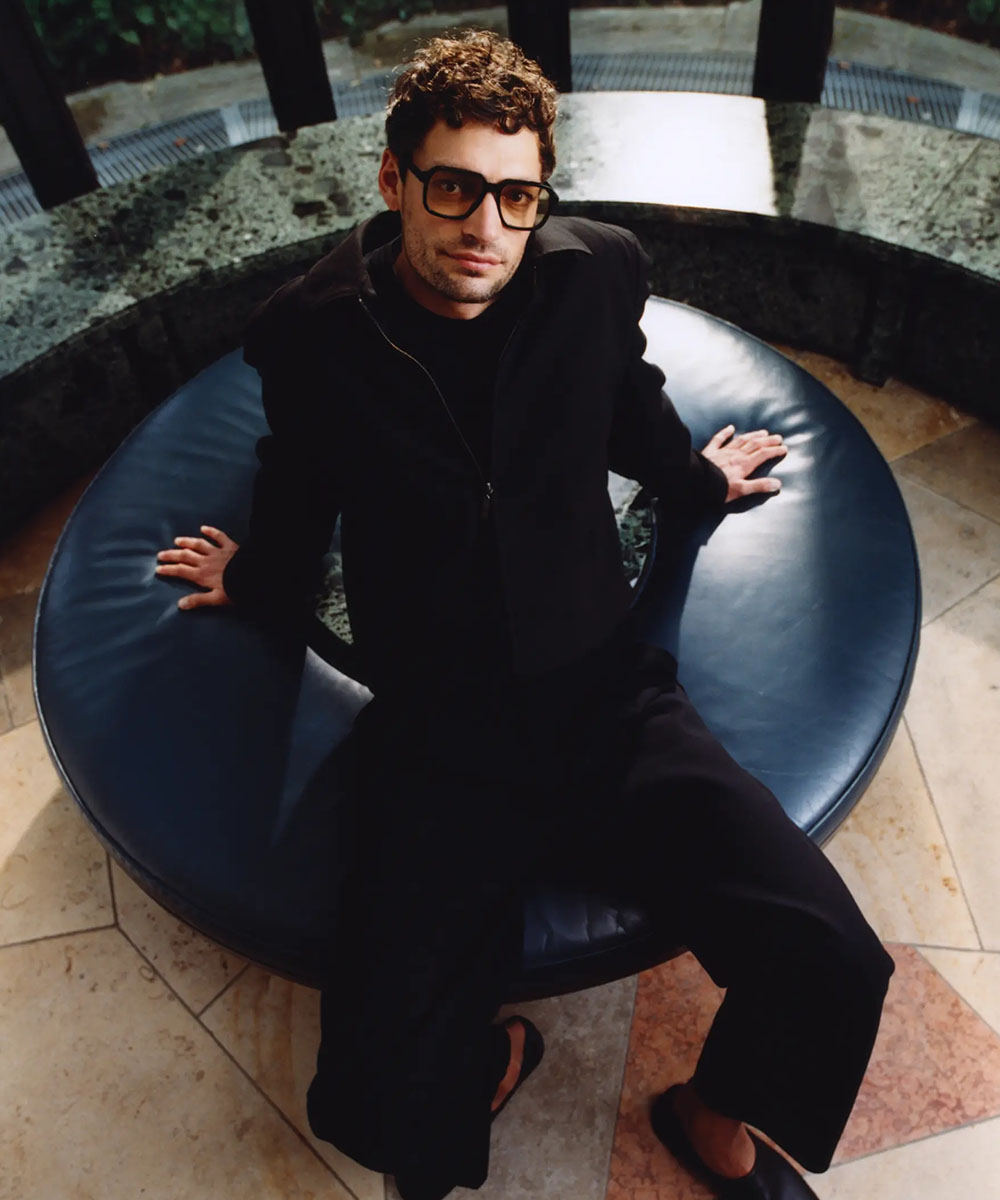
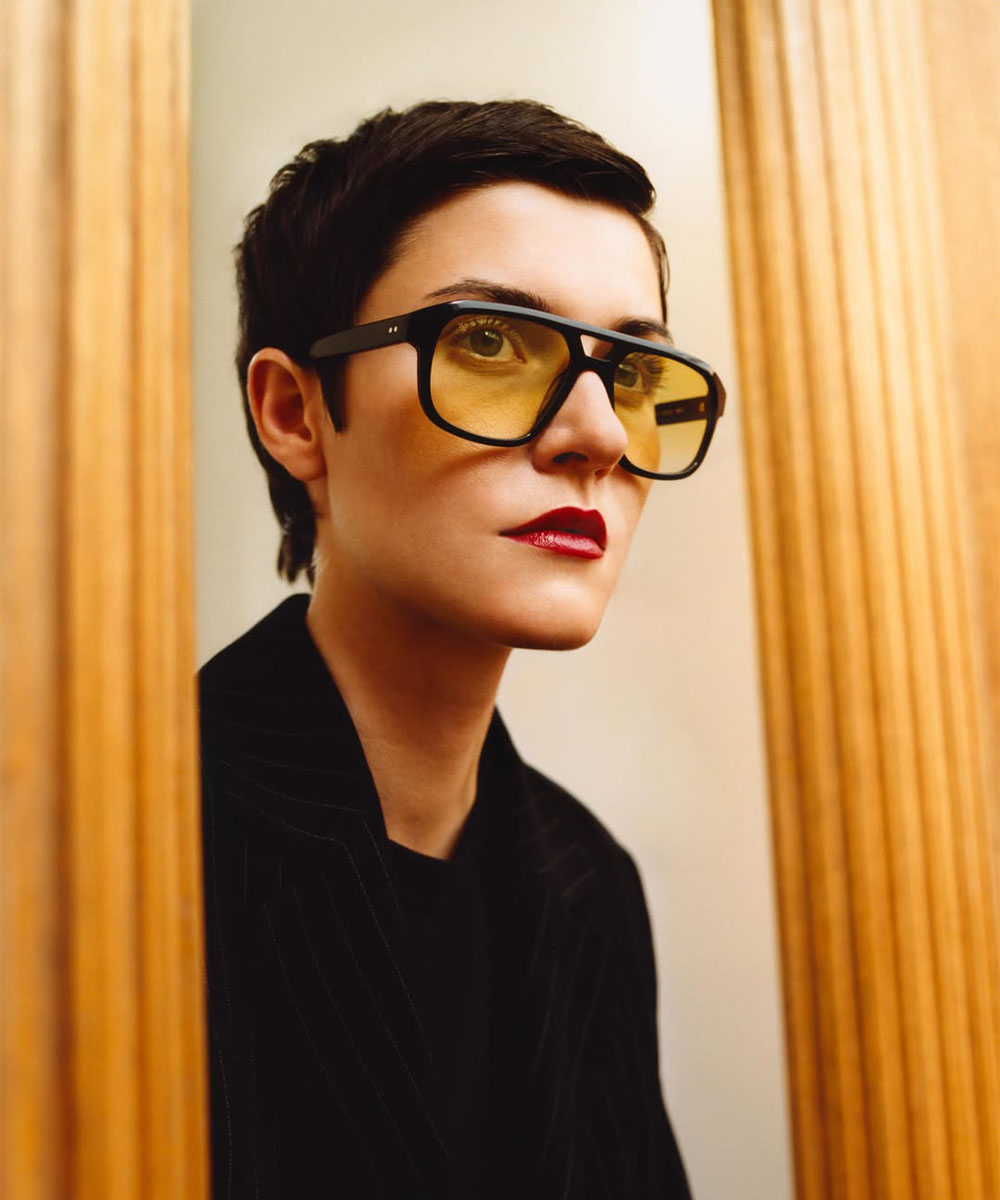
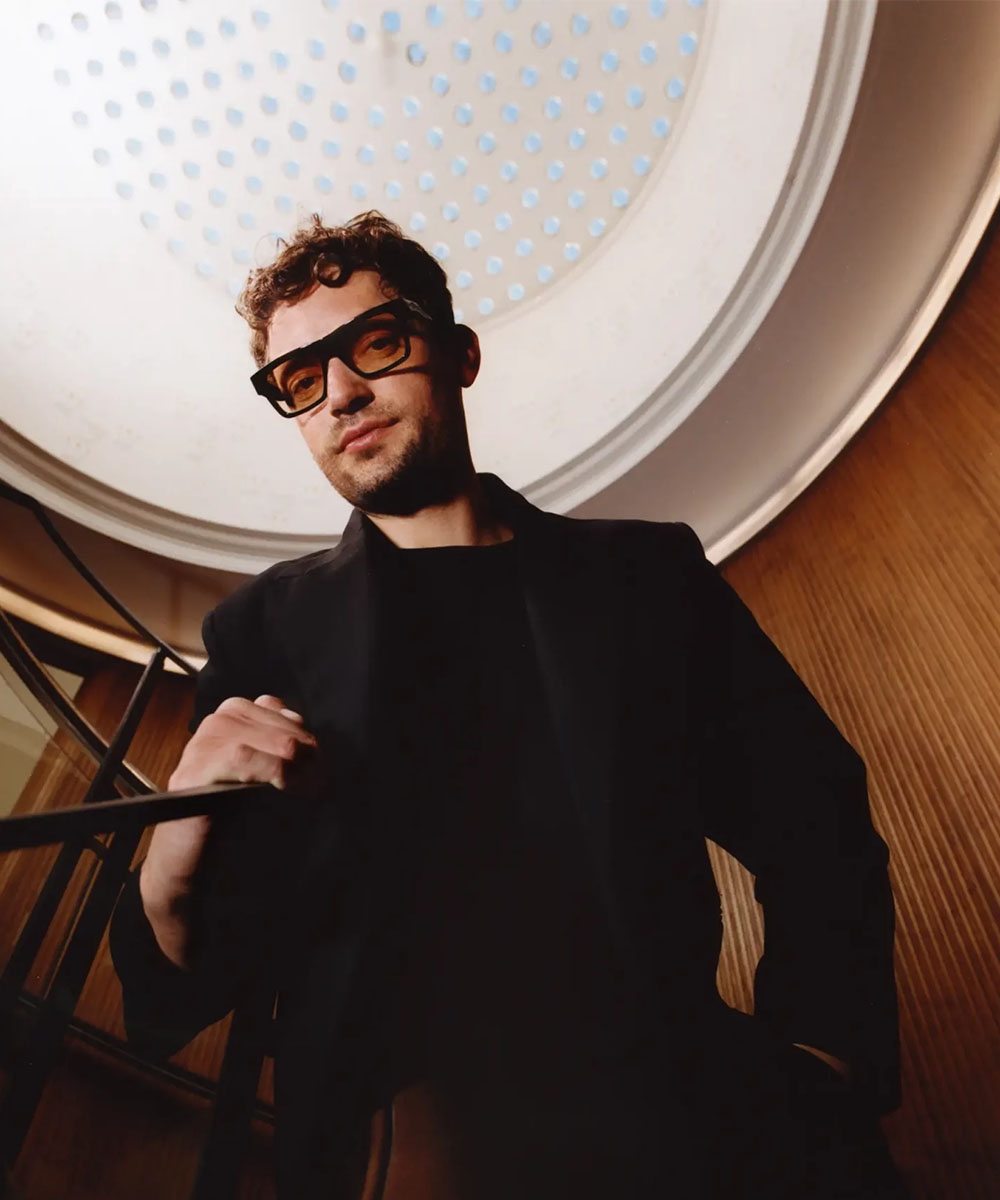
Our latest campaign was actually a special one. It was for Coblens Eyewear, a label from my hometown, they make beautiful frames. We shot it at the Gerling Quarter in Cologne, a 1950s building from the post-war modern era. The location as part of the building is run by a university that’s also one of our clients, so we were able to produce there. And the architecture matched the frames perfectly, so visually it feels like a match. Besides the video assets, we produced a fully analog photo series: shot on film, then we made hand prints in our darkroom and scanned those for the final files. It’s a workflow I love, but in this case it also fits the brand so well because it has that crafted, handmade character. With a great team, it turned into one of those productions that’s just really fun from start to finish.
Do you also do still life work and what is your opinion of still life photography for eyewear?
Yes we do still life, and I love it. It’s such a strong (and easy) tool for building brand identity, especially in eyewear. For me, still life works best when it’s reduced and focused — not overloaded with as many beautiful objects as possible. Sometimes texture and framing is already enough to set the tone. Putting frames on a material that fits the brand can do a lot. Technical frames on stainless steel, brands with a heritage feel on materials that reference older interiors or architecture, whether that’s marble, a specific carpet, or something similar. If the concept is more modern or playful, you can also go in a slightly more unexpected direction. I recently saw a jewelry campaign where the product was photographed on baking paper, super minimal, and it looked amazing. In the end, I think smart, reduced choices often make the frame look stronger than an overloaded set.
What are your main goals and plans for Burbas Studio in the years ahead?
For 2026, we’ve got many goals. On the main side, we want us to keep producing strong work. Staying current, pushing new ideas, and doing more creative productions. We are happy to work with new brands. Partly because it’s creatively exciting to build visuals for different brand identities, and yes, also because working with new clients is always a motivating part of the job. And then there are the smaller, personal goals: pushing my own ongoing documentary work, refining my style, and finding a few dream locations I’ve been wanting to shoot at for a long time. Right now, I’m trying to get access to a museum space in Wuppertal that I’m completely obsessed with.
What is the future of photography for eyewear brands? Digital or Analog and Digital?
I’m pretty sure it’s going to be both. AI will keep getting better, which makes it a great match for a lot of brands, and it’ll definitely lower the barrier for newer brands to create strong visuals. But at the same time, I don’t think the handcrafted side of production will ever fully disappear, especially when it comes to creative campaign assets. In marketing, it’s not only about the final image. Often, it’s also about how it was made, who was involved, and the human side of the process. That “made by real people” aspect has always been part of what brands communicate. Whether it’s a collaboration with a bigger artist people identify with, or just creatives in general behind the scenes. That human process often matters, because it helps sell the feeling around the product. Realistically, the balance will probably keep shifting further toward digital work because the possibilities are growing so fast, but I don’t see the traditional, hands-on side of production completely vanishing. There will always be brands that look for authenticity in craft and character not only in what they produce, but in how they communicate it.
Source: Eyelist
July 2026