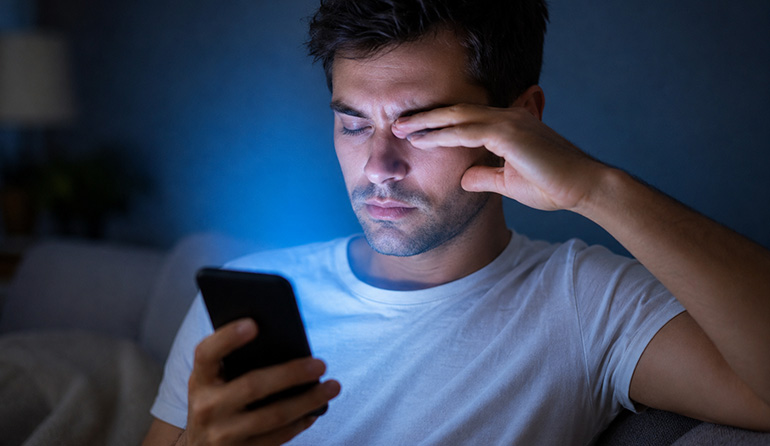

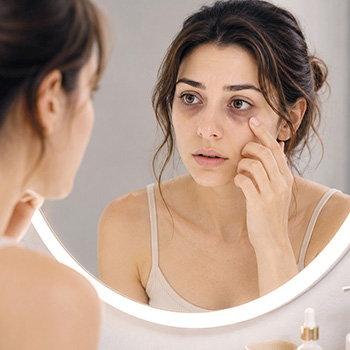
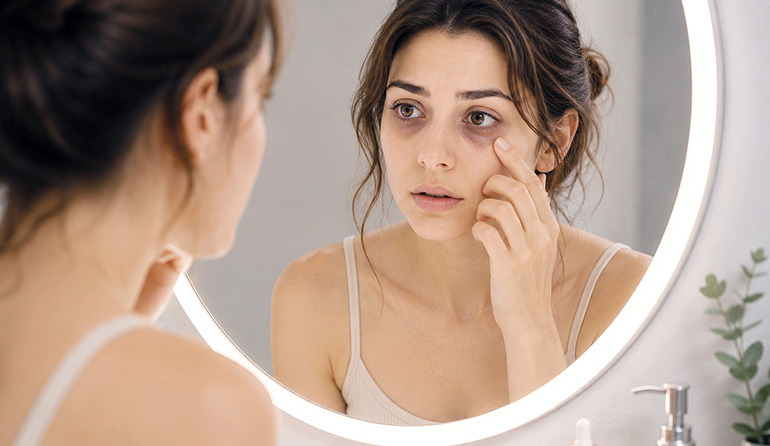
Dark Circles May Reveal Clues About Your Health

Often associated with lack of sleep, fatigue or stress, dark circles under the eyes may also be linked to allergies, anemia and certain other health conditions. Particular attention is recommended when they appear suddenly, become persistent or occur alongside other symptoms.

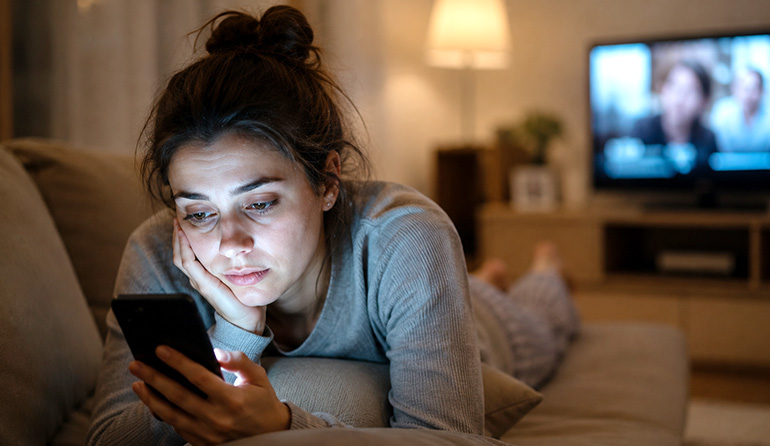
The skin around the eyes is considerably thinner and more delicate than on other areas of the face. As a result, blood vessels, changes in pigmentation and differences in circulation can make dark circles under the eyes appear more pronounced. Although lack of sleep, stress and lifestyle habits are among the most common causes, in some cases dark circles may be linked to underlying health conditions. Dark circles alone are generally not a sign of serious illness. However, if they appear suddenly, persist for a long time, become increasingly noticeable or occur alongside other symptoms, specialist evaluation is recommended to determine the underlying cause.

Allergies Can Affect The Eye Area
Nasal congestion caused by allergies and changes in circulation around the eyes can make bluish-purple dark circles under the eyes more noticeable. This may occur particularly with environmental or food-related allergies, while genetic predisposition can also play a role. When dark circles are accompanied by watery, red and itchy eyes, sneezing, nasal congestion, or itching in the throat or palate, an allergic cause may be suspected. Although allergy-related dark circles generally do not indicate a serious health problem, seeking specialist advice may be beneficial if they persist.

Anemia May Also Be a Cause
Anemia can make the skin appear paler and dark circles under the eyes more noticeable because insufficient oxygen reaches the tissues. Particularly in anemia associated with iron or vitamin B12 deficiency, dark circles may be accompanied by other symptoms such as fatigue, dizziness, paleness and shortness of breath. In this case, rather than starting vitamin or mineral supplements without medical advice, it is important to have the deficiency and its cause evaluated by a physician.

Dark Circles May Also Occur With Thyroid Problems
An underactive or overactive thyroid can affect the body’s metabolic balance, causing various changes in the skin and around the eyes. A dark appearance under the eyes alone is not an indicator of thyroid disease; however, it may require evaluation when accompanied by other symptoms.

Kidney Health and The Eye Area
Impaired kidney function can affect the body’s fluid and electrolyte balance. The resulting fluid retention and edema may cause puffiness and a darker appearance around the delicate eye area. If changes around the eyes are accompanied by other symptoms such as pronounced edema, persistent fatigue or changes in urinary habits, consulting a healthcare professional is important.

September 2026
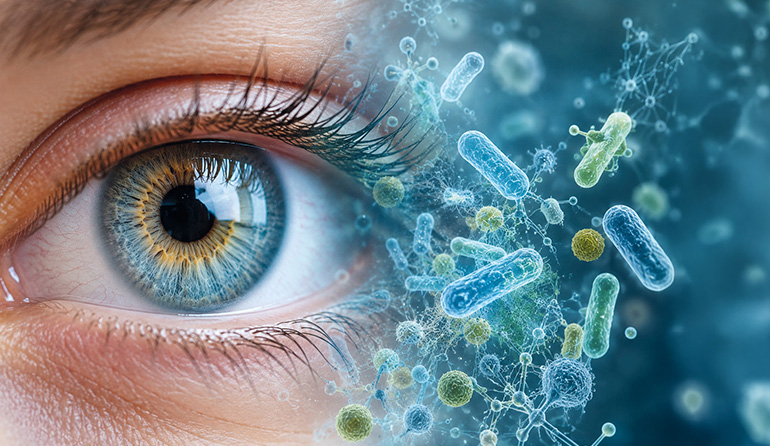
Eye Microbiome Research Moves Into Space

Changes in the microorganisms living on the ocular surface under space conditions are opening a new field of scientific research. The international SpaceOmix project, which examines changes in the eye microbiome in space, stands out as an important study that could shed light on future research.

The collection of bacteria, fungi, viruses and other microorganisms living in the human body is defined as the “microbiome.” Although more commonly associated with gut health, the microbiome is also found on the ocular surface, as revealed by next-generation bioinformatics analyses. The detection of microbial Dna in the eye, long considered sterile, is adding a new dimension to research into the relationship between eye health and the microbiome. An imbalance in the eye microbiome is thought to be potentially associated with certain eye diseases. Possible links between microbiome imbalance and conditions such as dry eye, allergic conjunctivitis, uveitis and iridocyclitis are making this an important field of research.

In 2025, the eye microbiome was studied in space for the first time as part of the Fram2 mission launched aboard SpaceX’s Falcon 9 rocket. During the five-day mission in polar orbit, samples taken from the same individuals were stored both on Earth and in space for comparative analysis. Involving scientists from Saudi Arabia, Belgium, Malta and Florida, the project is exploring how the behavior of microorganisms in space could contribute to our understanding of human physiology. According to Dr. Uğur Tunç, addressing health problems that may emerge as humans spend longer periods in space over the next 50 to 60 years will become increasingly important. Eye microbiome research is among the fields that could help shape the future of space medicine.

September 2026

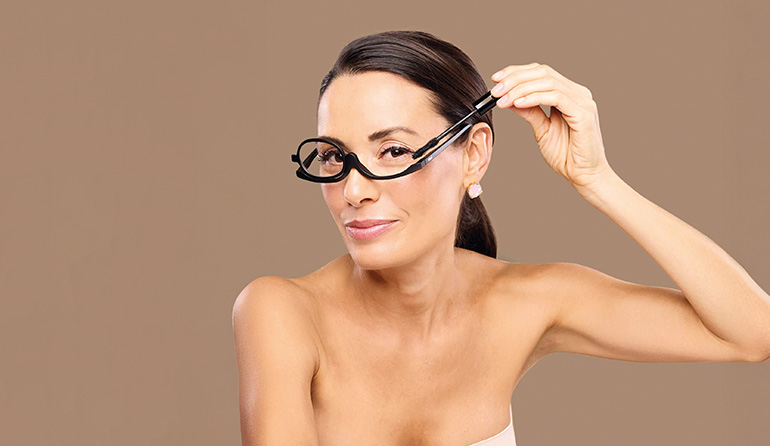
Smart Eyewear Reshapes The Optical Industry

The convergence of AI and wearable technology with eyewear is opening the door to a new transformation in the optical industry. Now compatible with prescription lenses, smart eyewear is also creating new areas of expertise and service for opticians.

The integration of artificial intelligence into eyewear is driving the rapid growth of a new product category in the optical industry. Initially seen primarily as tech products, smart eyewear is now evolving into a new generation optical solution that combines design, vision correction and digital technology in a single product. For the optical industry, the key development is the growing integration of this technology into prescription eyewear. The availability of single vision, progressive and light adaptive lenses in new generation products is paving the way for smart eyewear to reach a much broader consumer base.

New Area of Expertise for Opticians
Market data shows that demand for smart eyewear is rising strongly across Europe’s major markets. This growth suggests that the product could move beyond a passing technology trend to become one of the optical industry’s new areas of development. This transformation also creates new opportunities for optical stores. Selecting the right lenses, adapting them to prescriptions, frame fitting, personalization and after sales services could strengthen the role of opticians within the smart eyewear ecosystem. In the coming years, eyewear could evolve into a far more comprehensive platform where vision correction, design and digital technology come together in a single product.

September 2026

If the Letters Blur While Reading, Take Notice!

Letters blending together while reading, straight lines appearing distorted or difficulty recognizing familiar faces are often mistaken for a natural part of aging.

Age-related macular degeneration is a progressive eye disease that affects the macula, the central part of the retina responsible for sharp vision. Because the disease often progresses without noticeable symptoms in its early stages, it is usually detected only during a comprehensive eye examination. As it advances, symptoms such as difficulty reading, letters appearing blurred together, straight lines looking wavy or distorted, objects appearing different than they are and trouble recognizing faces may develop. If left untreated, the disease can lead to permanent loss of central vision. While advancing age and genetic predisposition are the leading risk factors, smoking remains the most important preventable risk. Avoiding smoking, maintaining a balanced diet and having regular eye examinations all play an important role in reducing both the risk of developing the disease and the rate at which it progresses. Age-related macular degeneration occurs in two forms: dry and wet. In the more slowly progressing dry form, regular monitoring, healthy lifestyle habits and appropriate vitamin supplementation are important. In the wet form, however, modern intravitreal therapies can preserve vision to a great extent. Newly developed treatment options have also made the treatment process more comfortable for patients in recent years. Experts recommend that everyone aged 55 and older undergo regular eye examinations, even if they have no symptoms. A balanced diet rich in green leafy vegetables, omega-3-rich fish and antioxidant-containing foods also supports eye health. Even the slightest changes in vision should not be dismissed as a normal part of aging. Early diagnosis and timely treatment remain the most important factors in preserving vision in age-related macular degeneration.

August 2026

Early Signs of Heart Disease May Appear in the Eyes

Although heart disease is commonly associated with symptoms such as chest pain, shortness of breath and palpitations, experts say the eyes may also provide important clues about cardiovascular health.

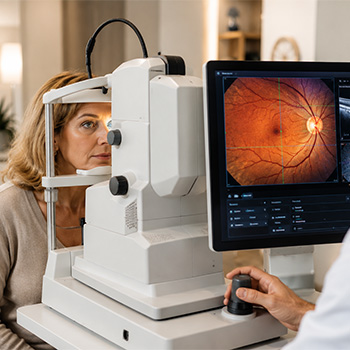
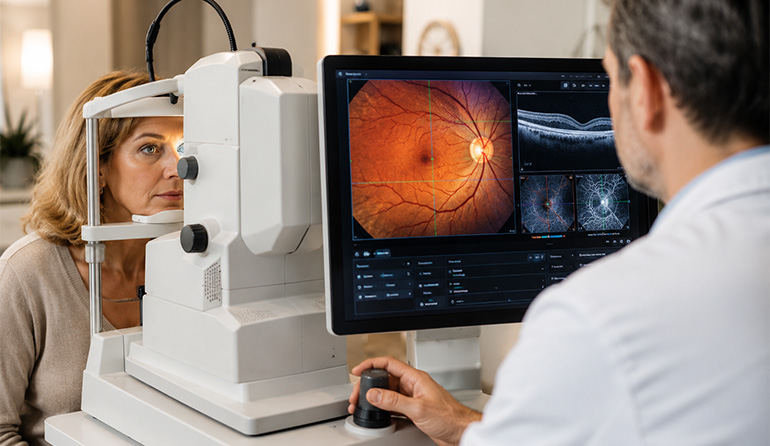
Each year, nearly 17 million people worldwide die from cardiovascular diseases, making early diagnosis increasingly important. Recent studies suggest that comprehensive eye examinations can reveal not only vision problems but also early signs of cardiovascular disease before symptoms develop. In particular, retinal imaging with Optical Coherence Tomography (OCT) provides valuable information about the circulatory system by examining the retinal blood vessels at the micron level. Research has shown that microscopic retinal ischemic perivascular lesions, which develop when the eye does not receive sufficient blood and oxygen, are found more frequently in individuals with heart disease. These findings provide further evidence of the close relationship between cardiovascular health and retinal health.

For this reason, ophthalmologists may detect early signs of systemic conditions such as hypertension, high cholesterol, diabetes, atherosclerosis and an increased risk of stroke during routine eye examinations, in addition to diagnosing eye diseases. In a U.S. study, OCT images from 84 people with heart disease were compared with those of 76 healthy individuals. The results showed that retinal ischemic lesions were significantly more common in patients with heart disease. Researchers believe these findings suggest that eye examinations could become a valuable complementary screening tool for assessing cardiovascular risk in the future. Regular eye examinations are particularly important for people with a family history of heart disease, hypertension or diabetes, as well as for those over the age of 40. Sometimes, the heart’s first warning sign may appear not in the chest, but in the retina, the deepest layer of the eye.

August 2026

6 Summer Risks That Threaten Kids’ Eyes

Summer vacation often brings increased screen time, sun exposure, swimming pools, the sea, allergens and air-conditioned environments, all of which can affect eye health. Fortunately, many eye problems seen during the summer can be prevented with simple but effective precautions.

With schools closed for the summer, children spend more time using phones, tablets and computers, while seasonal environmental factors also pose significant risks to eye health. Because children’s eyes are still developing, prolonged screen use, along with sun exposure, swimming pools, the sea, allergens and air-conditioned environments, can increase the risk of dry eyes, redness, itching and allergic eye complaints. Contrary to popular belief, sunglasses with dark lenses alone are not enough to protect the eyes from harmful ultraviolet (UV) rays. Here are six major summer risks for children’s eye health and the simple precautions that can help prevent them.

Increased Screen Time
Longer periods of phone, tablet and computer use during the summer break can lead to eye strain, dryness, burning, stinging and focusing problems. For this reason, screen time should be planned carefully, and children should get into the habit of resting their eyes every 20 minutes by looking at an object about 20 feet (6 meters) away for at least 20 seconds.

Pools and the Sea
In addition to chlorine and hygiene issues in swimming pools, salt, sand and microorganisms in seawater can increase the risk of eye irritation, redness, burning and infection. Whenever possible, children should wear protective swimming goggles that fit snugly around the eyes, especially in pools and preferably in the sea as well. After swimming, the eyes should be rinsed with clean water, dirty hands should not touch the eyes, shared towels should be avoided and the eyes should not be rubbed.

Swimming with Contact Lenses
Contact lenses make it easier for bacteria, fungi and other microorganisms found in pool and seawater to attach to the lens surface, increasing the risk of corneal infections. Chlorinated and salty water can also damage the lens material, causing irritation and discomfort. For this reason, contact lenses should not be worn while swimming. If they are absolutely necessary, daily disposable lenses should be used and discarded immediately after leaving the water.

Sun Exposure
Prolonged exposure to intense ultraviolet (UV) rays can cause eye irritation and discomfort. Over many years, unprotected exposure to UV radiation may also increase the risk of cataracts and certain eye diseases. Children should wear sunglasses with UV400 or 100% UV protection when outdoors, avoid looking directly at the sun and wear a hat, especially during the hours when sunlight is strongest. It is important to remember that dark-tinted lenses alone do not provide adequate UV protection.

Summer Allergies
During the summer months, pollen, grass, dust, mold spores and other environmental allergens can increase allergic eye complaints. Symptoms may include itching, redness, tearing, burning and swollen eyelids. Rubbing the eyes should be avoided, as it can worsen symptoms and damage the surface of the eye.

Air Conditioning
Spending long periods in air-conditioned environments during hot weather can cause the tear film to evaporate more quickly, leading to dryness, stinging, burning, redness and the sensation of a foreign body in the eye. These effects may become even more pronounced when the airflow is directed toward the face or eyes. For this reason, air vents should not blow directly onto the face, excessively dry environments should be avoided and adequate fluid intake should be maintained throughout the day.

August 2026

The Eyes May Reveal Mental Fatigue

Research suggests that noticeable changes may occur in the eye movements of people who experience prolonged sleep deprivation or work under intense mental demands.

Recent research suggests that the eyes are connected not only to vision but also to the brain’s mental workload. According to experts, eye movements may provide important clues about a person’s level of mental fatigue. Studies conducted by scientists have shown that people engaged in intensive cognitive tasks tend to blink more frequently and have shorter attention spans. Eye movements also appear to become less regular in individuals performing tasks that require prolonged concentration. Researchers note that as the brain becomes fatigued, the speed at which visual information is processed may also change. The research further indicates that pupil movements may differ in people experiencing mental fatigue. Eyes that normally respond quickly to environmental stimuli may react more slowly during periods of intense stress and sleep deprivation. This delay is thought to be associated with reduced attention and concentration difficulties. Experts suggest that eye movement analysis may eventually be used not only in eye care but also in neurological and psychological assessments. AI-supported eye-tracking systems, in particular, may play an important role in measuring stress levels, attention deficits and cognitive performance. Researchers also point out that mental fatigue may develop more rapidly in people who spend long hours in front of screens. Regular sleep, short breaks and giving the eyes time to rest are considered important for both visual performance and mental productivity.

July 2026

Blink Rate May Decrease During Screen Use

Blinking is an automatic action that often goes unnoticed in daily life, yet it plays a vital role in protecting the surface of the eye. However, when looking at a computer, phone or tablet screen for extended periods, the number of blinks can decrease significantly. This may lead to symptoms such as dry eyes, stinging sensations and blurred vision.

Under normal conditions, people blink an average of 15 to 20 times per minute. During screen use, however, this number may be reduced by as much as half. People working in jobs that require intense concentration tend to keep their eyes open for longer periods, which can negatively affect the ocular surface. Prolonged screen focus may contribute not only to dry eye but also to eye fatigue and reduced concentration. In air-conditioned environments, moisture loss from the eye surface may occur even more rapidly. Redness, burning and a feeling of heaviness in the eyes at the end of the day are among the most common results of this condition. Experts recommend taking regular breaks during screen use to help maintain eye comfort. Looking at a distant point at regular intervals and consciously paying attention to blinking may help the eyes relax. Proper lighting in the work environment can also reduce eye strain. Making short changes of environment during the day, spending time in naturally lit spaces and adjusting screen brightness appropriately can help the eyes work more comfortably. Maintaining a proper viewing distance and positioning the screen at eye level are also important factors that support visual comfort. During periods of increased screen use, giving the eyes time to rest is important for daily visual performance. Focusing at a close distance for long periods can tire the eye muscles, while short eye exercises and spending time outdoors may help the eyes recover. Maintaining a healthy sleep routine also plays an important role in renewing the ocular surface.

July 2026

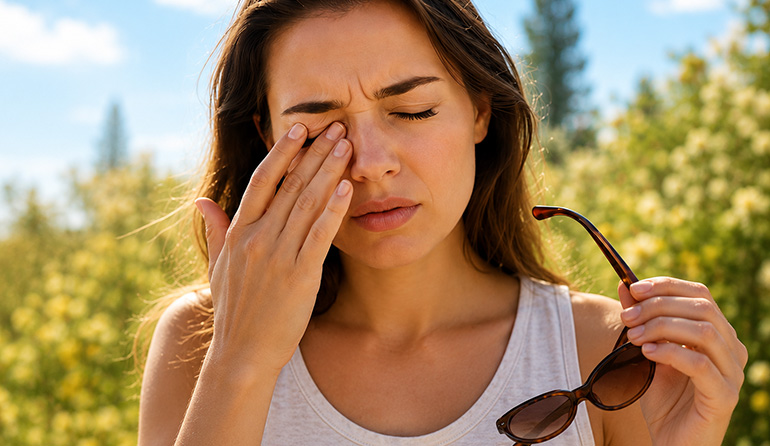
Do Your Eyes Itch and Water in Summer?

Rising temperatures, pollen, dust, wind and air conditioning use during the summer months can trigger symptoms such as itchy, watery and red eyes. Experts point out that these complaints are often associated with allergic conjunctivitis and dry eye.

With the arrival of summer, many people begin to experience symptoms such as itching, watering, redness and stinging in their eyes. Hot weather, increased pollen levels, dust, wind and spending long periods in air-conditioned environments can affect the ocular surface and lead to various eye problems. Although these symptoms can negatively affect daily life, they are often dismissed as simple fatigue. However, identifying the underlying cause is important. Ophthalmology Specialist Dr. Murat Direl states that a significant proportion of eye complaints that increase during the summer months may be related to allergic conjunctivitis and dry eye.

Allergic Conjunctivitis Is More Common in Summer
Eye allergies, known as allergic conjunctivitis, occur when the tissue covering the outer surface of the eye and the inner surface of the eyelids reacts to various allergens. Pollens, grasses, dust and environmental factors can cause symptoms to increase, particularly in late spring and throughout the summer. The most common symptoms of allergic conjunctivitis include itchy eyes, watering, redness and a burning sensation. Intense itching is one of the most characteristic signs of allergic eye disease. Constantly rubbing the eyes can worsen symptoms and may also irritate the ocular surface. For this reason, it is important to avoid rubbing the eyes when symptoms occur.

Air Conditioning Can Dry the Eyes
Air conditioning systems, widely used in homes, offices and vehicles to escape the summer heat, are another factor that can affect eye comfort. While air conditioning does not directly damage the structure of the eye, it can reduce humidity levels and dry out the surrounding air. Dry air causes the tear film that protects the front surface of the eye to evaporate more quickly, triggering dry eye symptoms.

As a result, the following complaints may occur:

  • Burning and stinging sensations
  • A foreign body sensation (feeling as if sand is in the eye)
  • Redness and temporary blurred vision

Sunglasses Are More Than an Accessory, They Act as a Shield
Another significant threat to eye health during the summer months is ultraviolet (UV) radiation. Specialists emphasize the importance of wearing appropriate sunglasses, as harmful UV rays from the sun can accelerate cataract formation over time and may also contribute to tissue growth on the ocular surface, commonly known as “surfer’s eye” or pterygium. For this reason, certified sunglasses with UV filters, wide frames and a design suited to the wearer’s facial structure should always be preferred when spending time outdoors during the summer. Sunglasses also provide a physical barrier against pollen and dust carried by the wind, helping reduce the risk of eye allergies.

Be Careful With Contact Lenses in WaterChlorine and other chemicals used to keep pool water clean may irritate the ocular surface. More importantly, certain microorganisms that can thrive in stagnant pool water may cause serious corneal infections, particularly in contact lens wearers. For this reason, contact lenses should always be removed before entering a pool or the sea, and swimming goggles should be used to minimize contact between the eyes and water. Not every case of eye redness or itching has the same cause. Some eye drops used without medical advice may trigger much more serious conditions, including glaucoma and cataracts. When symptoms develop, an eye care specialist should be consulted and any treatment or artificial tear supplements should be used according to the physician’s recommendations.

July 2026

Morning Sunlight May Influence The Eyes’ Biological Rhythm

Starting the day with natural daylight, especially during the early morning hours, may help support the eyes’ focusing performance throughout the day.

Extended exposure to artificial lighting in indoor environments may increase feelings of eye fatigue. Natural light helps the eyes perceive environmental contrast more effectively. Short outdoor walks in the morning can be particularly beneficial, supporting the eyes’ adaptation to daylight. While daylight plays a role in regulating the body’s biological clock, it also contributes to communication between the eye’s light-sensing system and the brain. Time spent in natural light allows the eyes to focus at varying distances and helps reduce the visual strain associated with prolonged near-work activities. Outdoor environments also provide a welcome break from the constant exposure to screens and artificial lighting that many people experience throughout the day. For this reason, spending even short periods of time outdoors can be considered a valuable habit for maintaining visual comfort.

Irregular sleep schedules and spending long periods indoors may contribute to increased visual fatigue. Insufficient exposure to daylight can negatively affect visual comfort, particularly among individuals who spend much of their day working in front of screens. Taking short breaks outdoors during the day supports both mental relaxation and eye recovery. Exposure to natural light in the morning may help maintain attention levels, while balanced daylight exposure throughout the day can help reduce screen-related visual fatigue. Even brief periods spent outdoors can help the eyes rest, and small changes to daily routines may have a positive impact on both eye health and overall quality of life.

June 2026

t