


Minimalist Elegance by Jimmy Choo
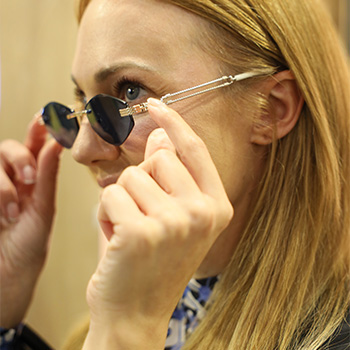
This sleek, minimalist design by Jimmy Choo catches the eye. The silver metal frame paired with dark gray lenses reflects a timeless appeal, creating a look that is both elite and effortlessly trendy.
September 2025
This sleek, minimalist design by Jimmy Choo catches the eye. The silver metal frame paired with dark gray lenses reflects a timeless appeal, creating a look that is both elite and effortlessly trendy.
September 2025
Swarovski, its expertise in crystals and crystal craftsmanship brilliantly reflected in its eyewear designs, has created a true revolution for the oval shape in this sophisticated model.
September 2025
This design elevates the iconic Chloé aesthetic to new heights, embodying the essence of modern luxury. The golden metal frame with black lenses adds a sophisticated touch to its form.
September 2025
Invu’s latest performance sunglass, a mask design with ultra-polarized lenses for today’s active, style-conscious consumers, offer a sleek and futuristic look. You should definitely try them.
September 2025
Givenchy is once again on the radar of fashion enthusiasts with this rectangular acetate design. The model’s 4G logo adorned with strass stones and all iconic details set the tone for an elegant style.
September 2025
Crafted from acetate with contrasting temple inserts, this elegant oversized design comes with a detachable chain inspired by Herrera’s signature jewelry, adding a dazzling touch to any ensemble.
September 2025
Rimless with a classic C de Cartier motif in a rectangular silhouette, this design is finished with golden metal temples and gradient grey lenses with a golden mirror effect, promising pure nobility.
September 2025
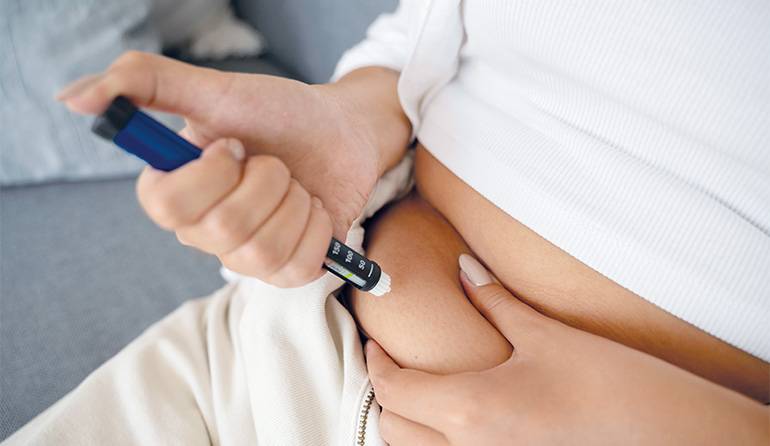
Obesity is a condition that affects the entire world and continues to rise every day. It also impacts many organs in the body, and the eyes are among them.
Obesity and Cataracts
Long term studies have shown that obesity plays a role in the development of cataracts. It is thought that leptin, a hormone released from fat tissue in obese individuals, increases oxidative stress levels in the body, accelerating the formation of cataracts. The increase in inflammatory processes and the presence of obesity related conditions such as diabetes that cause vascular damage may prevent the natural lens from being properly nourished and cleared of waste products. All these factors cause cataracts to develop more rapidly in obese individuals compared to healthy people.
Obesity and Glaucoma
Studies have shown that obesity increases intraocular pressure, although its direct relationship with glaucoma has not been clearly established. However, the most important risk factor for glaucoma is ocular hypertension, or high eye pressure, which is seen more frequently in obese patients. For this reason, obesity is considered an indirect risk factor for glaucoma. Increased intraocular pressure in obese individuals may result from excess fat tissue around the eye exerting pressure, vascular pathologies, and inflammatory processes. Inflammation can cause oxidative stress in the optic nerve and trabecular meshwork, reducing the ability of tissues to clear waste and making them more vulnerable to nutritional deficiencies.
Obesity and Macular Degeneration
Age related macular degeneration, commonly known as macular disease, is one of the leading causes of blindness among elderly individuals. Studies have previously identified hypertension and hyperlipidemia as causes of this disease. The effect of obesity on macular degeneration has also been studied for many years and proven. Among the reasons why obese individuals are more likely to develop macular degeneration compared to those with a normal body mass index are the oxidative stress caused by elevated leptin levels and other inflammatory substances.
Obesity and Retinopathy
Research has shown that diabetic retinopathy, a vision disorder linked to diabetes, appears earlier and more frequently in obese diabetic patients. Similar to people with diabetes, obese individuals also show an increase in vascular growth hormones and inflammatory substances inside the eye. Due to the excess of leptin, obesity is also thought to contribute to diabetic retinopathy and hypertensive retinopathy, which are eye disorders caused by diabetes and high blood pressure.
Obesity and Other Eye Diseases
Some studies have shown that vascular conditions such as retinal artery and vein occlusion occur more frequently in obese patients compared to healthy individuals. This has been linked to increased blood viscosity caused by obesity. Moreover, other obesity related conditions such as hypertension and diabetes, which are more common among obese individuals, are also recognized as causes of retinal vascular blockages. This makes obesity an indirect risk factor. Other, less common obesity related eye diseases include conditions associated with obstructive sleep apnea. Obstructive sleep apnea, which occurs more frequently in obese individuals, can lead to dry eye disease and floppy eyelid syndrome, both of which cause watering, stinging, and blurred vision, as well as conditions such as central serous chorioretinopathy and nonarteritic anterior ischemic optic neuropathy, which can result in sudden vision loss. Although no study has conclusively proven that weight loss can directly reverse these conditions, recent research has shown that individuals who lost weight after undergoing obesity surgery experienced improvements in the vascular structures of the eye.
September 2025
According to new research, changes in eye movements may reveal early signs of memory loss.
A recent study has shown that shifts in the way our eyes move could be used to detect memory and cognitive problems at an early stage. Building on previous research, scientists identified differences in “gaze patterns” between individuals with and without diagnosed brain health issues. Both younger and older participants took part in the study. Some had conditions affecting memory or cognitive function. Eye tracking tests conducted on volunteers revealed that people with weaker memory tended to focus on more limited areas of images and displayed less varied gaze patterns.
May shed light on early signs of dementia
The study concluded that these natural gaze responses to visual stimuli are closely linked to memory function. Researchers believe that changes in eye movements may be connected to disruptions in the hippocampus, the brain’s memory center. They suggest that these findings could pave the way for a simple and cost effective method for the early diagnosis of conditions such as dementia and Alzheimer’s disease.
September 2025
A recent large scale study has revealed that daily consumption of instant coffee may increase the risk of age related macular degeneration, a condition that can lead to vision loss.
Health data from more than 500,000 people in the United Kingdom Biobank database were analyzed. The study found that individuals who consumed instant coffee faced a higher risk of developing dry type age related macular degeneration, which is a leading cause of vision loss in later years. In contrast, no similar risk was observed among those who drank filter coffee or decaffeinated coffee. This disease usually appears after the age of 55, although genetic factors may trigger it earlier. If left untreated, it can cause significant vision impairment. In participants, degeneration was observed in the central part of the retina, which affects the ability to read, drive, and recognize faces. Experts highlight that certain additives used in instant coffee or compounds related to its production process may have harmful effects on retinal health.
Turkish coffee is preferable
The primary risk factors for macular degeneration are age and genetics. Other contributing factors include high blood pressure, smoking, dietary habits, elevated lipid and cholesterol levels, prolonged exposure to sunlight, and obesity. While age and genetic predisposition cannot be eliminated, the other risk factors can be managed. The Mediterranean diet is recommended for individuals with poor nutritional habits who face a risk of macular degeneration. For this reason, people with a high risk of age related macular degeneration are advised to avoid instant coffee. Instead, filter coffee, Turkish coffee, or espresso can be preferred.
September 2025