Arrival of Summer Means More Harmful Sun Exposure

Summer is the season when people spend more time outdoors and are exposed to the sun for longer periods, putting eye health at risk. Protecting your eyes is critical both for preventing short-term discomfort and long-term eye conditions.

Op. Dr. Umut Akbaş emphasizes that one of the most effective ways to protect eye health in summer is to wear high-quality sunglasses. The sun’s UV rays can cause serious damage to the eyes. Therefore, sunglasses with UV 400 protection should be preferred. Low-quality sunglasses may actually cause more harm to your eyes. Rising temperatures in summer increase the body’s need for fluids. Adequate hydration is very important for maintaining eye health. Keeping your eyes sufficiently moist depends largely on drinking enough fluids. Water intake helps prevent dry eyes and keeps them healthy.

Swimming in the Sea and Pool
Swimming in the sea and pool is very common during summer. However, saltwater and chlorine in these environments can negatively affect eye health. To protect against possible irritation, rinse your eyes with clean water after swimming. It is also recommended to wear swimming goggles to protect your eyes while swimming.

Eye Makeup and Resting Your Eyes
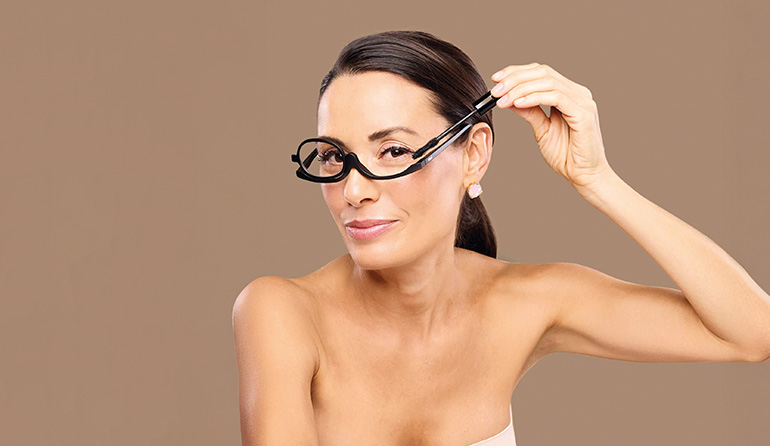
Using eye makeup in summer requires extra care. Sweat can cause makeup products to irritate your eyes. Always remove eye makeup thoroughly before going to bed to protect your eyes. Prolonged sun exposure can cause eye fatigue, so make sure to rest your eyes by frequently moving into shaded areas and wearing sunglasses.

Proper Nutrition
Healthy nutrition plays a major role in eye health as well. Summer fruits and vegetables are rich in vitamins that support eye health. During summer, you can take simple but effective measures to protect your eyes.

July 2025

Beware of Waterproof Mascaras

Some mascaras known for their long-lasting effect can cause eye dryness and irritation around the eyes. For those wanting to protect their eye health, choosing the right products has become more important than ever.

Makeup is an indispensable part of daily life, and waterproof products stand out for their durability and long-lasting effect. However, eye health experts warn that these products may cause adverse effects on the delicate skin around the eyes over time. Some ingredients in waterproof mascaras can lead to dry eyes and various discomforts.

Risk of Dryness and Irritation
Waterproof mascaras are formulated with strong and drying ingredients to ensure long-lasting wear on lashes. However, these formulations can negatively affect the natural tear film that keeps the eye surface moist. Especially for people with sensitive eyes, this can cause complaints such as: Dry eyes, Burning and stinging sensations, Redness, Blurred vision.

Damage During the Removal Process
One major drawback of waterproof products is their challenging removal process. These mascaras often require vigorous rubbing or strong cleansers to be completely removed from the eye area. This can lead to: Irritation of the delicate skin around the eyes, Disruption of the tear film, Gradual decline in visual quality over time. Many users have recently shared on social media that their long-term dry eye complaints might actually be caused by these products.

Pay Attention to Chemical Ingredients
It’s not just the product type but also the ingredient list that matters greatly for eye health. Some chemicals found in mascaras and other eye makeup products can damage tear glands even at low doses. Notably, parabens, formaldehyde, and benzalkonium chloride are risky substances. These chemicals don’t only cause dryness and irritation but may also negatively affect hormonal balance.

For those who want to protect their eye health, it is recommended to choose water-soluble products considered safe for eye contact instead of waterproof ones. Product ingredients should be read carefully, unknown substances should be researched, or a specialist should be consulted. Makeup removal should be done gently with appropriate products suited to the eye area.

July 2025

Fake Sunglasses Can Trigger Cataracts

Warm, sunny days have finally arrived — but while enjoying the sunshine, don’t put your eye health at risk. According to experts, counterfeit sunglasses that are widely sold on the market may open the door to serious eye diseases, including cataracts and macular degeneration.

Eye Health is Not Age-Dependent
With the sun now higher in the sky, UV rays hit more directly and can lead to serious eye conditions. Studies show that individuals exposed to UV radiation for prolonged periods have a 60% higher risk of developing cataracts. And this risk isn’t limited to older adults — people in their 20s and 30s are also considered high-risk. Sunglasses stand out as one of the most practical ways to protect your eyes. When properly chosen, they can help prevent UV-induced issues such as cataracts, macular degeneration, pterygium (surfer’s eye), and corneal damage.

Symptoms May Vary
Depending on where the cataract forms in the lens, symptoms can differ. In myopic eyes, vision can worsen rapidly, and astigmatism may develop. Cataract patients may see shadows, perceive colors as dull or faded, and experience more difficulty seeing in either bright or dark environments. Other signs include double vision, blurred or distorted vision, loss of depth perception, eye fatigue, and headaches linked to developing astigmatism.

Why Are Fake Sunglasses Dangerous?

  • Dilated pupils: Dark lenses trick the eyes into thinking there is less light, causing the pupils to dilate.
  • More UV exposure: Dilated pupils allow more harmful UV rays to enter the eye.
  • Lens and retina damage: As the eye struggles to filter this intense light, the lens and retina can be damaged, significantly increasing the risk of cataracts.

One of the rules to be considered when buying sunglasses should be antireflective and ultraviolet-blocking coating. It is necessary to use eyewear approved by the Ministry of Health. Eyewear bought cheaply from the street vendors often do not carry these features. This eyewear is very harmful to eye health. For this reason, you should definitely buy your sunglasses from optical stores.

June 2025

Contact Lens Use Among Students

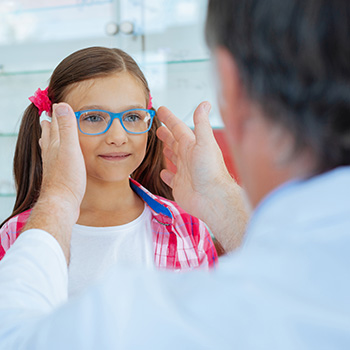
For students who begin wearing contact lenses at a young age, adhering to hygiene practices and attending regular eye exams plays a crucial role in preventing potential vision problems later in life.

Maintaining eye health and using contact lenses correctly is especially important for students who start wearing them during adolescence. Although contact lenses are often chosen to improve visual quality and enhance daily comfort, poor hygiene practices can lead to serious eye health complications. That’s why it’s essential not to overlook the basic rules of proper contact lens care.

Scientific studies on contact lens use have shown that, when used properly and consistently, contact lenses significantly contribute to maintaining eye health. However, approximately 60% of contact lens wearers occasionally neglect hygiene guidelines, which increases the risk of eye infections by about 25%. Developing correct usage habits and not skipping regular care helps students maintain clear and healthy vision both at school and in their everyday lives. Below are the key principles that students who wear contact lenses should keep in mind:

Prioritize Hygiene
In crowded environments like schools, which are rich in microorganisms, students should always wash their hands with soap and dry them with a clean towel before handling their contact lenses.

Avoid Prolonged Use
Wearing contact lenses longer than recommended can lead to dry eyes and infections. To prevent this, students are encouraged to take out their lenses at intervals throughout the day and wear glasses instead.

Don’t Neglect Contact Lens Care
Cleaning contact lenses with the appropriate solution after every use and storing them in their designated cases is vital for maintaining good eye health.

Don’t Skip Eye Exams
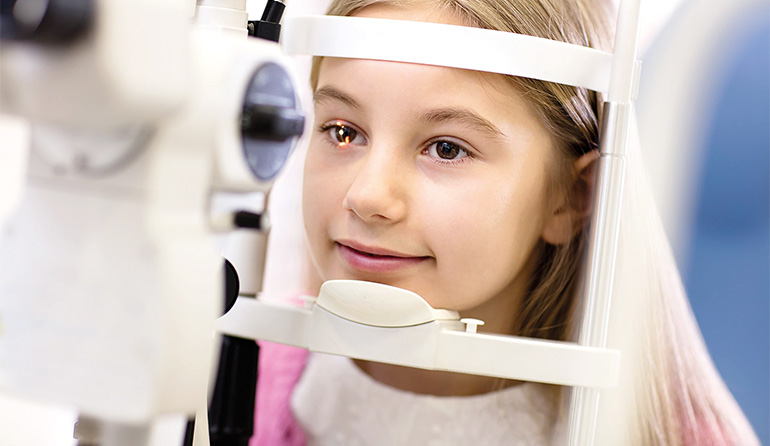
Regular eye check-ups are extremely important for students who wear contact lenses, both for keeping prescriptions up to date and for early detection of potential problems. Since the eye structure can change rapidly during the growth years, it is recommended to visit an eye doctor at least once a year.

June 2025

Why Do Eyelids Twitch?

Eyelid twitching, something that many people experience in the hustle and bustle of daily life, is usually considered harmless, but in some cases, it may be an important signal from the body.

Sometimes we feel a small area twitching lightly-sometimes on our eyelid, sometimes on our leg. In such moments, we often say to someone next to us, “My eye is twitching, look, it’s pulsing-can you see it?” to have the movement confirmed. These kinds of visible, small contractions are known as fasciculations. Fasciculations are movements that occur when bundles of muscle fibers under the skin, called fascicles, randomly contract and relax, causing a slight movement in the skin of the affected area.

The involuntary movement of muscle fibers occurs as a result of sudden irritation of a lower motor neuron in the spinal cord. Since these nerve cells control an entire group of muscle fibers, all the fibers contract at once. Because fasciculations do not pose any danger, there is no detailed scientific research on the subject. However, experts suggest that insufficient sleep, magnesium deficiency, excessive exercise, and high caffeine consumption can trigger such muscle twitches.

When Is Eye Twitching A Sign Of Danger?
While experts emphasize that eyelid twitching is mostly harmless, they point out that an eye doctor should be consulted in the following cases:

  • If the twitching lasts longer than a few weeks,
  • If the eyelid completely closes or has difficulty opening,
  • If the twitching spreads to other parts of the face.

May 2025

Rubbing Eyes Can Lead to Blindness

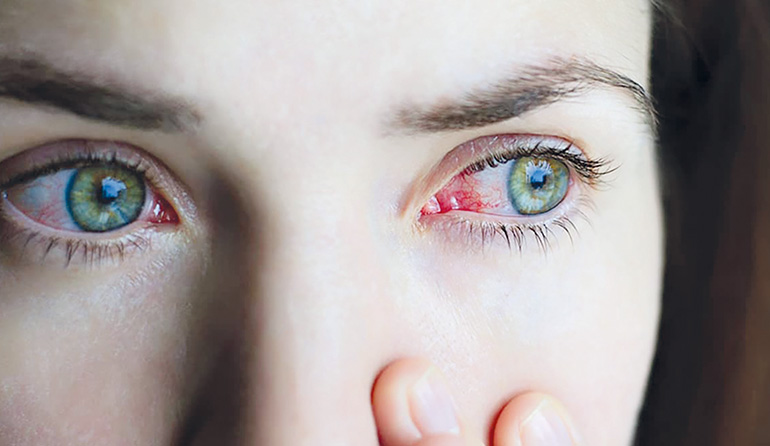
With the arrival of spring, the increase in pollen and changes in weather conditions trigger allergic reactions that affect millions of people. Individuals with allergies struggle with symptoms such as itching, nasal congestion, watery eyes, and redness.

Patients dealing with spring allergies tend to constantly rub their eyes. Although rubbing the eyes may seem like a simple habit, it can lead to permanent vision loss, especially due to the damage it causes on the cornea. It has been found that changes occurring particularly in the cornea-the transparent front layer of the eye-can lead to vision loss to the extent of blindness. Rubbing the eyes disrupts the natural structure of the cornea and can cause serious conditions like keratoconus, which result in loss of vision.

Spring allergies are the result of the immune system in the eye overreacting. Due to the itching and watering of the eyes, many patients instinctively start to rub their eyes. However, this action causes thinning and protrusion in the corneal tissue on the eye’s surface, leading to progressive deformity. In a condition known as keratoconus, patients initially complain of blurred vision caused by astigmatism, and if not diagnosed and treated in time, it can progress to serious visual problems, including the inability to see clearly even with glasses, and eventually vision loss. Experts who offer advice on how to protect against the risks of rubbing the eyes emphasize that proper treatment methods should be applied before rubbing the eyes in order to alleviate allergic reactions. Allergy symptoms can be managed correctly with treatments such as medication, eye drops, and cold compresses. Instead of rubbing the eyes, these alternative treatment options are preferred.

Precautions to Protect Eye Health:

  1. Use allergy medication regularly: Eye drops prescribed by a doctor can help alleviate allergic reactions.
  2. Avoid rubbing your eyes: Rubbing can cause harmful bacteria to spread to the delicate tissues of the eye.
  3. Apply cold compresses: Applying a cold compress can relieve itching and swelling in the eyes.
  4. Pay attention to hygiene: Make sure your hands are clean before touching your eyes.

In order to protect eye health and prevent serious vision problems, individuals with spring allergies should be careful not to harm their eyes. Avoiding the habit of rubbing the eyes during the spring season can help reduce the risk of vision loss.

May 2025

You Can Get Rid Of Tired-Looking Eyes

Under-eye bags caused by the skin’s prolonged exposure to gravity due to aging can make a person look tired. Fortunately, it is possible to eliminate these bags, which can develop for various reasons.

Aging, lack of sleep, prolonged screen time, stress, consumption of salty foods, fluid retention in the body, genetic predisposition, kidney and thyroid diseases, and allergies are all among the factors that contribute to the formation of under-eye bags. The eye area is known to be one of the most prominent regions where signs of aging appear. Sometimes due to facial structure, and other times due to age or systemic conditions, puffiness, bags, and excess skin around the eyes can create a fatigued and aged appearance. A surgical method called transconjunctival blepharoplasty can effectively resolve these concerns, offering a scar-free and swift recovery. Op. Dr. Burak Akbay from the Ophthalmology Department at Memorial Bahçelievler Hospital shared insights into lower eyelid surgery using this minimally invasive approach.

Natural Results Without Visible Scars
Transconjunctival blepharoplasty is a surgical technique used to remove or reposition excess fat in the lower eyelid. The procedure is performed through a small incision made inside the lower eyelid, in a mucosal layer called the conjunctiva. This allows for aesthetic results without any visible scarring. If there is also excess skin, laser or surgical skin tightening can be performed in the same session.

  • No Visible Scars: Since the incisions are made inside the eyelid, transconjunctival blepharoplasty leaves no visible scars, offering a significant aesthetic advantage for patients.
  • Minimally Invasive: Compared to traditional methods, this technique causes less tissue damage and promotes faster healing. Most patients can return to their daily activities within a few days.
  • Natural-Looking Results: The procedure enables the natural repositioning of under-eye fat, resulting in a more youthful and refreshed appearance.

Lower Risk of Complications: Since there is no incision on the skin’s surface, the risk of complications such as muscle damage, eyelid drooping, infection, or scarring is significantly reduced.

May 2025

Cigarette Smoke Damages Children’s Eyes

Research conducted by experts has revealed that even children as young as 6 show signs of eye damage when exposed to cigarette smoke.

Passive smoking is a known threat to eye health among adults. Many studies have linked exposure to cigarette smoke to an increased risk of eye disorders that affect people later in life, such as cataracts and age-related macular degeneration (AMD), which are leading causes of blindness. One of the most vulnerable parts of the eye to cigarette smoke is the choroid. The choroid is a dense network of blood vessels located at the back of the eye. It is responsible for supplying oxygen and nutrients to the retina, and it helps maintain the eye’s temperature and volume. Studies have shown that both smokers and individuals exposed to cigarette smoke have thinner choroids. Choroidal thinning is linked to the development of AMD, which threatens vision, among other conditions.

In a study to determine whether children exposed to passive cigarette smoke showed similar damage, 1,400 children between the ages of 6 and 8 were examined. It was discovered that children who were exposed to cigarette smoke had significantly thinner choroids compared to those who were not. The difference was measured to be around 6 to 8 microns. More importantly, the data revealed that choroidal thinning in children increased with the number of smokers in the family and the number of cigarettes smoked per day. Although the long-term effects of these relatively small changes on children’s future eye health have yet to be determined, this study demonstrates the potential role of early exposure to tobacco smoke in the development of chronic diseases later in life.

Over the years, smoking rates in the United States have decreased, but it remains a health risk. A 2023 survey in the U.S. found that 25.2% of the population was exposed to passive cigarette smoke, with 37.9% of children (ages 3 to 11) and adolescents (ages 12 to 19) being exposed. Experts emphasize the importance of quitting smoking around children to protect their vision and overall health.

April 2025

Attention to Postmenopausal Eyes

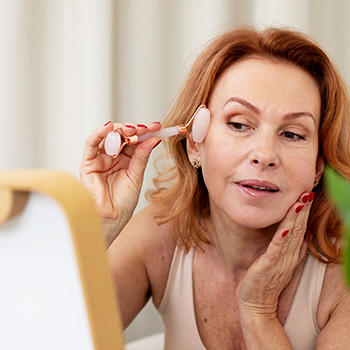
Changes in hormone levels during the postmenopausal period can negatively affect eye health, just as they cause various changes in the body. The risk of eye diseases such as dry eyes and cataracts increases during this time.

10% of Postmenopausal Women Receive Dry Eye Treatment
Women have differences in their tear glands, corneas, and retinas compared to men. Gender hormones such as estrogen, progesterone, and androgen influence vision, and factors such as age, menstrual cycle, pregnancy, menopause, and andropause can also impact eyesight. Menopause is characterized by a decrease in estrogen levels, marking the end of a woman’s reproductive period. This hormonal change can affect many functions in the body, including tear production. When estrogen levels drop, tear production decreases, leading to dry eyes. Dry eyes can cause uncomfortable symptoms like a foreign body sensation, burning, stinging, and blurry vision. The decrease in tear production during menopause can negatively affect eye health. While 10% of women undergoing menopause receive dry eye treatment, others experience the condition without even realizing it. Additionally, hormone replacement therapy during menopause can, contrary to popular belief, cause dry eyes. Women in this period often visit doctors due to dry eyes. If left untreated, dry eyes can lead to more serious eye problems. It is essential to begin treatment promptly with a diagnosis from an eye doctor.

Women Have a Higher Risk of Cataracts Than Men of the Same Age
Cataracts are a condition where clouding of the lens in the eye leads to vision loss. Cataracts are more common in postmenopausal women. The risk of cataract development in women after menopause is higher than in men of the same age. Hormonal changes during menopause can cause changes in the eye’s lens, which can accelerate cataract development. Therefore, regular eye check-ups are crucial for early diagnosis and treatment. Additionally, protecting the eyes from UV rays, maintaining a balanced diet, and avoiding harmful habits like smoking are effective in reducing the risk of cataracts. To prevent issues like dry eyes and cataracts, women in this period should pay special attention to their eye health.

April 2025

7 Hidden Signs Of Eye Cancer

Eye cancer is a type of cancer caused by the uncontrolled growth and multiplication of cells in the eye. If not diagnosed early, it can lead to serious health complications and even vision loss.

Recently, eye cancer has been spreading among younger individuals and often reveals itself through seven key symptoms. Experts emphasize that many people fail to notice eye cancer symptoms, and the most common form of the disease, ocular melanoma, can grow silently. As with many types of cancer, early detection plays a crucial role in treatment. According to Cancer Research UK, eye cancer cases worldwide have been on the rise in recent years. Since the early 1990s, the incidence of this disease has increased by nearly one-third. Although it is more commonly seen in individuals over the age of 50, the growing number of young patients is also noteworthy. Eye cancer is often undetected until it progresses significantly, making diagnosis more challenging.

Among the most common types of eye cancer is ocular melanoma, a form of skin cancer that develops in the middle of the eyeball. UV rays from sunlight and tanning beds play a significant role in its development. Experts warn that sudden changes such as vision loss, peripheral vision impairment, flashes of light, or shadowy shapes should not be ignored. Additionally, dark spots on the eye, swelling, and lumps around the eyes can be signs of the disease. Persistent redness or irritation that does not respond to standard treatments should be taken seriously. Many individuals dismiss visual disturbances as a result of aging, stress, or excessive screen time. However, experts strongly emphasize that detecting subtle signs in the early stages can significantly increase treatment success.

Individuals with a first-degree relative diagnosed with melanoma have a 30% to 50% increased risk of developing eye cancer. As with many other cancer types, protecting against UV radiation is crucial. Wearing high-quality sunglasses or using UV-protective coatings on prescription glasses can significantly reduce the risk of developing eye cancer.

Medical authorities recommend regular eye exams for everyone, particularly for individuals at high risk, who should undergo annual screenings.

7 SIGNS OF EYE CANCER

  • Blurred vision or sudden visual changes
  • Dark spots on the iris
  • Flashes of light or shadowy figures
  • Lumps around the eyes
  • Redness or irritation
  • Swelling
  • Loss of peripheral vision

Experts strongly advise consulting a healthcare professional if any of these symptoms appear.

TREATMENT METHODS FOR EYE CANCER
Before determining a treatment plan, factors such as the patient’s age, overall health, tumor size, and cancer stage should be carefully evaluated. Depending on the case, surgical procedures, radiation therapy, and laser treatments may be applied. If the tumor is in its early stages within the eye, laser therapy may be an option. If laser treatment is insufficient, proton therapy and radiation therapy can be used. Consulting a specialist early is crucial for selecting the appropriate treatment method and improving the chances of a successful recovery.

April 2025