
Commonly Known Misinformation

Eye health is extremely important for people’s quality of life. For this reason; such erroneous information that we get from friends and family and social media, such as stye in the eye passes with garlic, cataract can be treated with drops, there is no need for routine eye control in children if there is no complaint, threatens our eye health.

Ophthalmology Specialist Assoc. Prof. Dr. Özge Begüm Comba explained 10 erroneous information about eye health that is thought to be true in the society; made important suggestions and warnings. Pointing out that erroneous beliefs in the society can prevent early diagnosis and treatment of eye diseases, she said, “Delay in the treatment of diseases can cause serious eye problems such as permanent vision loss in the future. For example, conjunctivitis, which is common in our country and popularly known as ‘red eye’ disease, can lead to visual defects and even loss of vision if not treated on time. In addition, in some diseases such as lazy eye, which can be completely eliminated with early diagnosis and treatment, children lose the chance of treatment when it is late. Myopia, which is quite common in our country, can also progress if not followed up regularly.”

Eye Number Increases as You Wear Glasses: False!

There is a widespread belief in the society that the eye number will progress as you wear glasses. Assoc. Prof. Dr. Özge Begüm Comba pointed out that glasses are only an apparatus that allows us to see well and said, “Therefore, wearing glasses will not progress or stop the numbers. It is important to wear glasses especially in childhood for the visual system to work fully and completely. Because glasses are a part of the treatment of permanent conditions such as lazy eye.”

Red eye goes away with artificial tear treatment: False!

In conjunctivitis, one of the most common eye diseases in Turkey and popularly known as ‘red eye’, using only artificial tears or drops that have benefited others can cause serious problems. Assoc. Prof. Dr. Özge Begüm Comba warned that if this disease is not treated on time, visual defects and vision loss may develop, “Conjunctivitis is inflammation of the membrane covering the inside of the eyelid and the most common source is viral and bacteria. It is of great importance that this picture is evaluated by a physician and the treatment is carried out in accordance with the causative agent. Otherwise, conjunctivitis may cause spots that may cause vision loss.”

It is Not Possible to Stop Eye Number: False!

The most important factors in the progression of eye number are genetic and environmental factors. In the light of scientific studies; limiting close work, resting the eyes by looking away for 20 seconds every 20 minutes and outdoor activities for at least 2 hours a day are recommended. In addition, until the age of 18, it is possible to stop the progression of the eye number thanks to drops that enlarge the pupil, special lenses and lenses that are used at night and shape the cornea.

Do Not Have Children Have an Eye Checkup If There Are No Symptoms: False!

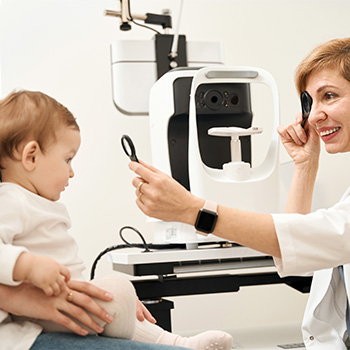
Early diagnosis and treatment of serious problems such as cataracts and eye tumors are both visually and vitally important. Assoc. Prof. Dr. Özge Begüm Comba said, “In addition, conditions such as lazy eye and strabismus may not be noticed by parents because they occur in one eye. In such diseases, it is very important to perform eye examinations in children at regular intervals starting from the first 2 months after birth, especially since there is a race against time.”

Cataract can be treated with drops: False!

Ophthalmologist Assoc. Prof. Dr. Özge Begüm Comba stated that the only known treatment method of cataract is surgery and continued as follows: “The intraocular lens that has aged and lost its transparency should be surgically removed and replaced with an artificial lens. However, of course, the progression of cataracts can be slowed down by reducing oxidative stress with methods such as healthy nutrition, regular blood sugar monitoring, and the use of sunglasses with UV blockage.”

Cataract is only seen in the elderly: False!

Although cataracts mostly develop in older people, they can also occur in childhood and infancy. Congenital cataracts can accompany various syndromes and can also be caused by infections in the womb and drug use. In childhood, it can also occur due to medications such as cortisone or accompany other diseases.

Eye pressure often causes eye pain: False!

Eye pressure is an extremely insidious disease. While it can sometimes manifest itself with a pain behind the eye, it often does not cause any pain. Closed angle glaucoma, on the other hand, has a more severe course and can cause serious pain due to sudden high eye pressure. Ophthalmologist Assoc. Dr. Özge Begüm Comba warns that eye pressure should be evaluated with annual follow-ups after the age of 40.

Eye diseases can be treated with herbal methods: False!

Applying garlic and lemon to any lesion in the eye, such as a stye, cannot give results and can be extremely dangerous as it can lead to different infections. Assoc. Prof. Dr. Özge Begüm Comba says, “The most effective treatment method is to manage the process with the medications recommended by the physician, keeping warm dressing and eyelash hygiene at the forefront.”

There is no need to wear sunglasses in fall and winter: False!

The sun’s harmful ultraviolet rays reach the earth even in cloudy weather and are reflected from the shadows. In addition to harmful rays, wind can cause dry eyes. For this reason, it is of great importance to use sunglasses for your eye health not only in summer but in all seasons.

June 2024

Beware of Optic Nerve Palsy

If you are experiencing sudden and painless vision loss, you may be having ‘optic nerve palsy’ and the biggest cause of this is high blood pressure and diabetes. Drinking less water and sedentary life can be among the biggest factors that can cause optic nerve paralysis.

Sudden and painless vision loss may occur due to disruption or blockage of blood circulation to a part of the optic nerves in the eye. This is called ‘optic nerve palsy’. Patients with high blood pressure and diabetes should be careful.

50-55 is a risky age: There are important risk factors underlying this disease. High blood sugar, high blood pressure, high blood fats, drinking less water during the day, moving less and having some genetic predispositions cause this disease. Although it is generally seen in the 50-55 age group, it is possible to see this disease at an earlier age.

There is no complete treatment: Nerve palsy in the eye occurs when a very special vascular bundle that provides blood supply to the optic nerve is blocked by small clots and there is no complete treatment today.

Vision Losses Occur: In patients with optic nerve palsy, visual acuity and color vision are reduced and visual field losses occur, and cortisone-containing drugs can be beneficial in some patients. Since not all patients have a chance of recovery, preventive medicine is at the forefront and very important.

Sedentary Life Affects: It is important to have good metabolic values in order to avoid this disease. The most important risk factors are high blood sugar, blood pressure and blood fats and low daily exercise. The occurrence of this disease in one eye creates a risk factor that increases the likelihood of this disease in the other eye by one third.

How can we be protected?

Patients who have this disease in one eye should pay attention to the risk factors mentioned above, eat a balanced diet, avoid foods that increase insulin resistance, consume plenty of fluids, move and walk during the day. In this way, the possibility of developing the same disease in the other eye is minimized.

June 2024

Danger of a Blindness Epidemic in Generation Z

Experts warned against the increasing risk of “blindness epidemic” in Generation Z as they do not go out as much as before. Accordingly, constantly looking at the screens of technological devices and staying away from daylight can trigger a wave of blindness.

Ophthalmologists have warned that Generation Z children could be exposed to an epidemic of blindness that could threaten entire health systems as they age. Increased screen time means Generation Z is “missing out on natural light”, which is vital during their formative years. This has the potential to have a devastating long-term impact on their eyesight. The UK, where the research was conducted, has seen a 46 percent increase in cases over the last 30 years, while cases of myopia are on the rise worldwide. But the figures have reached “epidemic levels” with eye surgeons warning that the situation will get worse.

Children Are Not Getting Enough Dopamine

Experts say that children who stay indoors on computers during adolescence do not get enough dopamine, which damages their eyes. Another factor that can trigger this epidemic is the amount of time spent looking at phones and tablets held inches away from the face. This can cause myopia, or nearsightedness. Experts have observed that in some parts of China, the rate of myopia has risen from 30 percent to 95 percent and above. Research suggests that cases of bad myopia in young people increase the likelihood of developing “macular degeneration” by 41 percent. One type of age-related macular degeneration is the leading cause of blindness. Experts warned parents to limit their children’s screen time, saying that tablets and televisions are often used as “babysitters”.

June 2024

More Vision Loss in Women

Although serious vision problems are not unique to women, women are 12% more likely to experience vision loss than men.

Not only the reproductive tracts and associated organs of men and women, but also the organs common to both sexes have structural differences. There are many biological factors that contribute to women’s vision problems. The differences between men and women’s eye structure can be seen in the tear glands, the surface of the eye, the lens and the retina (the nerve layer of the eye). Depending on sex hormones such as estrogen, progesterone and androgen, age, menstruation, pregnancy, menopause and andropause affect vision.

Hormone Changes and Vision

Estrogen: Plays an important role in reproductive and sexual development starting at puberty.

Progesterone: Helps regulate menstrual cycles and prepares the body for pregnancy.

Androgens: These are a group of sex hormones that affect fertility, bone mass, sex drive and red blood cell production. Androgens are found only in small amounts in women, but in larger amounts in men.

Changes in vision during pregnancy

Hormones can cause serious changes in the eyes. Vision is particularly affected in women during pregnancy and menopause. When a woman becomes pregnant, pregnancy hormones produced by the placenta kick in. These hormones can cause changes in and around the eyes. These changes usually improve after the baby is born or after the mother stops breastfeeding. Changes in the eyes and around the eyes during pregnancy include the following:

Eyelids: Many pregnant women experience increased pigmentation (darkening of color) around the eyelids, called melasma or chloasma.

Cornea (the transparent layer of the eye): The thickness, curvature and sensitivity of the cornea can change during pregnancy. This can lead to refractive error, which can cause blurred vision. Women who wear contact lenses may develop a temporary intolerance to contact lenses during pregnancy.

Tear production: Hormones during pregnancy can affect the tear film and glands, leading to dry eyes.

Intraocular pressure: The pressure inside the eye decreases during pregnancy. Low IOP can lead to corneal edema, resulting in reduced vision.

Lens: During pregnancy and breastfeeding, the ability of women’s natural lenses to focus at close range may be weakened.

Women who had diabetes before becoming pregnant are at higher risk of developing diabetic retinopathy (diabetes affecting the eye). Women who develop diabetes during pregnancy (gestational diabetes) have a lower risk of diabetic retinopathy.

Vision Changes in Menopause

  • One of the most important eye-related changes after menopause is dry eyes. Dry eyes are very common during menopause and are caused by the loss of hormone support. Tear production is controlled by prolactin and sex hormones. After menopause, dryness in the eyes, which causes complaints such as burning, stinging and redness, improves with hormone support therapy.
  • Some studies show that menopause may also increase the risk of glaucoma (eye pressure disease).
  • The risk of cataract development in women after menopause is higher than in men of the same age. Estrogen use after menopause reduces the risk of cataracts. In the pre-menopausal period, estrogen helps the lens maintain its ionic structure and water balance.
  • Women are twice as likely as men to develop autoimmune diseases. Autoimmune diseases such as rheumatoid arthritis, lupus, Grave’s disease and multiple sclerosis cause various problems in the eyes such as uveitis, scleritis, cataracts, optic nerve damage and inflammation.

How Can Women Protect Their Eye Health?

  1. Get a routine eye examination! Women between the ages of 18 and 60 should have an eye examination once a year.
  2. Inform your ophthalmologist about your family history! Heredity and family history play a big role in vision. Tell your ophthalmologist about diseases that run in your family. In this way, your doctor can inform you about prevention methods and perform detailed examinations and tests for early diagnosis.
  3. Do not smoke! Smokers are at risk for cataracts, age-related yellow spot disease and inflammatory conditions. If you smoke, try to quit.
  4. Wear sunglasses outside! Wearing sunglasses protects your eyes from harmful UV rays. Make sure you wear good quality sunglasses that fully block UVA and UVB rays.
  5. Eat a balanced diet! Adding fruits, vegetables and antioxidants to your diet can help delay or prevent the onset of certain eye conditions. Get your protein from lean meat, fish, nuts and eggs. Drink plenty of water. Vitamin A (and beta-carotene), vitamin C, vitamin E and zinc are also good for your eyes.
  6. Add moderate exercise to your routine! To maintain your physical health, 150 minutes (2.5 hours) of moderate activity each week is recommended. This time can be divided into small activities throughout the week.

June 2024

What is Choroideremia?

Choroideremia (CHM) is a rare genetic eye disease that affects the retina, which is the area at the back of the eye that processes all we see into signals that are sent to the brain via the optic nerve.

Choroideremia is a rare genetic retinal disease, which causes blindness in males during middle age. We still have much to understand about how the biochemical defect causes the retinal-specific disease and if it has any hidden effects on the rest of the body. Recently, there have been suggestions that CHM patients may be at risk of higher blood cholesterol or fat levels, and this is under currently investigation as part of detailed natural history studies. CHM has been used as a prototype retinal degeneration for developing novel gene therapies and hence, has provided much hope for those affected with the disease but also patients with similar inherited retinal disorders. Choroideremia affects about 1 in 50,000 individuals and is caused by a genetic defect in one single gene called the CHM gene, which is located on the X-chromosome. Male patients manifest the severe blinding form of the disease and suffer from a progressive retinal degeneration with obliteration of the light sensing cells (photoreceptors), their support cells (the retinal pigment epithelium) and part of the blood supply to these retinal layers (the choroid). The healthy orange retina is lost and the pale white sclera (tough white coat of the eye) can be seen when you look into the eye. Females are carriers and largely unaffected, however they can develop mild symptoms of visual impairment, such as night blindness, in more in later stages of life.

Choroideremia is Genetic
Choroideremia is caused by mutations in the CHM gene. The condition is passed down in families by the X-linked pattern of inheritance. In this type of inheritance, the mutated gene for the disease is located on the X chromosome. Females have two X chromosomes and can carry the disease gene on one of their X chromosomes. Because they have a healthy version of the gene on their other X chromosome, carrier females are usually not affected by X-linked diseases. Males have only one X chromosome (paired with one Y chromosome) and are therefore genetically susceptible to X-linked diseases. Males with X-linked diseases pass their Y chromosome to their sons, and therefore will never pass an X-linked disease to their sons. Female carriers have a 50 percent chance (or 1 chance in 2) of passing the X-linked disease gene to their daughters, who become carriers, and a 50 percent chance of passing the gene to their sons, who are then affected by the disease.

How the CHM Gene Works
The CHM gene encodes a protein called Rab Escort Protein-1 (REP1). This protein works in all our cells by helping to shuttle other small proteins (called Rabs) to their correct destination so they can undertake their role, such as allowing nutrients to pass across cells and removal of waste products. If these small proteins cannot be transported to their correct location to fulfill their job, the cells can starve and waste products build up causing damage and cell death. Humans are fortunate to have a second copy of REP1 called Rab Escort Protein-2 (REP2), which works well to transport Rabs in all the cells of our body except for the retina. The photoreceptors and retinal pigment epithelium have a subset of Rab proteins that prefer to be escorted by REP1 over REP2. Therefore, in the presence of a defective CHM gene with lack of REP1, there is a buildup of Rabs that are not able to function appropriately, and this leads to a retinal-specific disease that causes blindness in an otherwise fit and healthy individual.

Choroideremia Symptoms and Disease Progression
As an X-linked disease, choroideremia occurs primarily in males. In childhood, night blindness is the most common first symptom. As the disease progresses, there is loss of peripheral vision or “tunnel vision” and later a loss of central vision. Progression of the disease continues throughout the individual’s life, although both the rate and the degree of visual loss can vary, even within the same family. In affected male patients, the first symptom of CHM is night blindness, which is most commonly noticed in early childhood from as early as five or six years of age. The disease continues to progress with loss of the peripheral field of vision, this occurs at a relative fast rate in late adolescence and into the early twenties, leaving the patient with only a small area of central “tunnel” vision. The rate of decline lessens but the retinal degeneration continues to progress slowly over the next few decades, patients lose depth perception, color perception and finally loss of central vision with complete blindness into their fifties and sixties. Both the rate of disease progression and the degree of visual loss are variable among those affected, even within the same family. Female carriers are usually unaffected, but some do experience symptoms of night blindness later in life with some patchy loss in vision. This occurs because despite women having two X-chromosomes, one is switched off in every cell to ensure the correct amount of gene product (protein) is being produced. This process is random, called X-inactivation or lyonization, and means if the healthy X-chromosome is inactivated, then the X-chromosome carrying the defective CHM gene will prevent normal function in that particular retinal cell leading to disease in a patchy distribution.

Disorders with Similar Symptoms
Symptoms of the following disorders can be similar to those of choroideremia. Comparisons may be useful for differential diagnosis: X linked retinitis pigmentosa (RP) is the most common inherited vision disorder that has similar symptoms to choroideremia. X linked RP is passed from a mother (who carries or has RP) to a son. In RP, the retina degenerates, vision decreases and can be lost. Symptoms include night blindness leading to progressive loss of peripheral vision, followed by tunnel vision. Night blindness is usually the first noticeable symptom, generally occurring during childhood. This is followed by tunnel vision (loss of peripheral vision). The extent and progression of symptoms is variable. An eye doctor can differentiate between RP and choroideremia with an eye exam. Gyrate atrophy of the choroid and retina is characterized by a circular degeneration in the choroid and retina of the eye. Because this eye disorder results from the accumulation of ornithine in the blood, a blood test can be used to help diagnose it. In general, patients with this eye condition as have other medical problems such as muscle weakness. Very rarely, a single genetic variant in the RPE65 gene can cause a dominantly inherited condition that affects the retinal pigment epithelium and looks like choroideremia. The key feature is the pattern of inheritance is not X-linked.

How to Diagnose Choroideremia
A diagnosis can be made by an ophthalmologist with a specialist interest in genetic eye disease. They will have the expertise to interpret the patient history, signs from the clinical examination and investigations such as electrophysiology, fundus autofluorescence and optical coherence tomography. But ultimately, a genetic test to screen the CHM gene for mutations is required to make a definitive diagnosis. There have been rare cases of patients with a retinal appearance similar to CHM, but upon genetic testing have shown mutations in different genes known to cause other retinal dystrophies, such as RPE65. Another genetic condition called gyrate atrophy, which is an inborn error of metabolism, displays similar clinical features to CHM. It is caused by mutations in the ornithine ketoacid aminotransferase (OAT) gene found on chromosome 10.Patients show an increase in plasma levels of ornithine, however, reduction of the amino acid arginine in the diet prevents disease progression. This highlights the need to see a specialist so that CHM can be diagnosed correctly.

 What are the Treatments Ooptions
There is currently no cure or effective treatment for CHM. Much research is underway to seek a viable and sustainable therapy and there are a number of promising gene-based approaches under development. Firstly, the use of a drug administered orally to patients, which has the ability to override a specific genetic mutation, called a nonsense mutation, has been used which introduces an abnormal stop signal into the CHM gene. Nonsense mutations account for over 30% of CHM.

May 2024

What Color Should Your Sunglasses Lenses Be?

Some sunglasses tints make you see the colors around you more vividly. Others make you perceive colors differently and can distort vision. If you know the pros and cons of each lens color, you can choose the right sunglasses.

The main purpose of sunglasses is to protect our eyes from the harmful ultraviolet rays of the sun. UV protection is more important than lens color. Therefore, whatever the color of the lenses, make sure that the label on the sunglasses says 100% UV protection.

Green: Green colored lens filters out some of the blue light. This prevents glare in bright sunlight. The green tint is suitable for everyday wear and for sports such as golf and tennis.
Gray: This neutral color reduces glare, especially on water. Gray tinted lenses are useful on both cloudy and sunny days. They are suitable for marine activities and driving.
Blue or purple: Blue or purple tinted sunglass lenses provide a striking perception of color. They also help you see the outlines around objects more clearly. They protect against reflective surfaces such as snow. Sunglasses with blue lenses also work well in foggy and hazy weather.
Red or pink: Red and pink sunglasses filter out some of the blue light, thus improving vision while driving. They also increase the depth of field and emphasize details. Sunglasses with red or pink lenses are therefore suitable for many sports activities, such as skiing.
Yellow, orange or gold: Sunglasses with light-colored lenses such as yellow, orange and gold are excellent in moderate to low-level light conditions. Used in both outdoor and indoor sunglasses. They increase the visibility of objects, make the surroundings appear brighter and filter out blue light.
Amber or brown: Helps make cloudy days look a little brighter. Can be used during activities where you need to see small objects in the distance. Increases contrast against green landscapes and blue skies.

May 2024

How to Apply Low Eyelid Makeup?

It is necessary to pay attention to the eye structure while applying eye makeup. You can make your dream makeup by using the right products and makeup techniques. Here are the things that those with low eyelids should pay attention to…

You want to apply an eye makeup you like to yourself, but you can’t get the same look. When those with low eye structure do not apply the right techniques, the eyeshadow they apply may not be visible or their eyes may look smaller than they are. Here are the things that those with low eye structure should pay attention to…

START WITH BASE
Always apply an eyeshadow base before starting your eye makeup. The eyeshadow base ensures that the products you apply stay fixed on the eyelid for a long time without smearing.

HOW TO APPLY EYESHADOW?
It is very important to apply eyeshadow with the right brushes and techniques. Do not apply dark colors on the crease, this makes the eye socket look deeper. Apply the shadow you want to shade slightly above the crease, this will make your eyes look lighter than they are. Choose matte textures and light colors instead of pearlescent or glittery shadows. Apply the darkest shades to the ends of your eyelids. Do not raise your eyebrows while applying eye shadow. You can make your eyes look more vibrant and younger by applying light colored eye shadow to the eye sockets.

EYELINER
When applying eyeliner, look straight ahead and keep your eyes open so that your eyeliner will be visible when you close your eyes. Try to apply the pencil thinly, otherwise you may smudge it on your eyelid.

LIGHT COLOR PENCIL
You can make your eyes look bigger than they are by applying a light colored pencil to the base of the eyelashes. Avoid applying dark pencil inside the eye, dark colors will make your eyes look even smaller.

EYELASHES
After using the eyelash curler, apply your mascara, but apply it more intensely on the center lashes. You can skip the lower lashes.

May 2024

All About Yellowing of The Eye

Yellowing of the eye is a condition in which the white part of the eye, called the “sclera”, changes from a healthy appearance to yellow. Jaundice is a condition that needs to be taken seriously, as it usually indicates an underlying health problem.

Göz sararması temelde sarılık hastalığının bir belirtisi olarak kabul edilir. Kandaki hemoglobinin parçalanarak dönüştüğü bilirubin adlı maddenin vücut tarafından temizlenememesi sonucunda sarılık meydana gelir. Bilirubin ciltte birikerek cildin sarı renkte görünmesine sebebiyet verir; bu durum zaman içinde gözleri de etkilemeye başlar. Bununla beraber, sarılığı tetikleyen ve karaciğer, safra kesesi ve pankreasta var olan bir sorun, gözlerin sararmasına neden olabilir. Bilindiği gibi karaciğer, kırmızı kan hücrelerinin parçalanması noktasında önemli bir göreve sahiptir. Karaciğer aşağıdaki sorunların biri veya birkaçı sebebiyle hasar gördüğü durumda sarılık ve bununla ilişkili olarak da gözlerde sararma ortaya çıkabilir. Siroz, sıtma, aşırı alkol tüketimine bağlı karaciğer fonksiyonunda bozulma, karaciğer kanseri, karaciğer yağlanması, karaciğer enfeksiyonu, hepatit B ve C (Hepatit A, D ve E sarılığa nadiren neden olur), karaciğerde demir fazlalığı (hemokromatoz), karaciğerde bakır birikmesine sebep olan Wilson hastalığı, nadir bir kan hastalığı olan porfiria (porfiri).

Safra kesesinde gelişebilecek herhangi bir problem de gözlerde sararma görülme olasılığını tetikler. Yaygın olarak safra taşı, kist, tümör ve iltihap sebebiyle safra kanallarının tıkanması ile vücutta sarılık gelişir ve bu durum da göz akının rengini değiştirir. Benzer şekilde, safra kesesi ile bağlantılı olan pankreas kanalının iltihaplanması veya tıkanması durumunda, safra düzgün bir şekilde boşaltılamayabilir. Bu da sarılığın ortaya çıkması için uygun bir ortam oluşmasını sağlar. Buna ek olarak pankreas kanseri de aynı etkilerin görülmesine neden olur. Sarılığa, doğrudan bağlantılı olarak da göz sararmasına neden olan faktörlerden bir diğeri de kan hastalıklarıdır. Kırmızı kan hücrelerinin parçalanmasını engelleyen aşağıdaki sorunlardan bir veya birkaçı göz akının renginin değişmesinden sorumlu olabilir. Orak hücre anemisi, kullanılan ilaca bağlı olarak gelişen immün hemolitik anemi, kan naklinden kaynaklanan uyumsuzluk reaksiyonu. Bunlara ek olarak vitamin eksikliği (özellikle B-12), kırmızı kan hücresi üretimindeki değişiklikler ve yetersiz beslenme de göz sararmasının nedeni olabilir. Ayrıca penisilin (amoksisilin / klavulanat), asetaminofen, doğum kontrol hapları, antidepresan ilaçlarının bir kısmı ve steroidler de gözdeki sarılığın kaynağı olarak kabul edilir. Bunların haricinde, bilinenin aksine, A vitamini (beta karoten) bakımından zengin olan havuç, kabak ve kavun gibi yiyecekleri aşırı miktarda tüketmek cilt renginde değişikliğe sebep olsa da göz sararmasına neden olmaz. Aynı şekilde, tek başına, alkol almak da sararmanın ana nedeni olamaz. Fakat alkol uzun vadede karaciğere zarar vererek bu sorunu tetikleyebilir.

Göz sararması karın ağrısı, ateş ve titreme, idrarda koyulaşma, ciltte kaşıntı, burun kanaması, sürekli bitkin ve halsiz hissetme görünür bir sebep olmadan kilo verme gibi durumların görülmesi halinde zaman kaybetmeden doktora başvurmayı gerektiren bir sorun haline gelir. Bu gibi belirtilerin var olması halinde bir doktorla görüşmek için kesinlikle beklememek gerekir. Göz sararması tedavisi, sorunun altında yatan sebep incelenerek gerçekleştirilir. Kişi karaciğerle ilişkili ciddi olmayan düzeyde bir sorun sebebi ile sarılık geçiriyor ise, doktor hastalığa ilişkin semptomları azaltmak adına ilaç reçete ederek tedaviyi bu yolla sağlar. Aynı şekilde, viral hepatit ve karaciğer içi yaralanma var ise, antiviral ilaçlar ile karaciğer enfeksiyonu kurutularak sarılık kaynağı ortadan kaldırılır. İlaçla tedavinin yetersiz kalacağı karaciğer sorunlarında ise cerrahi yöntem kullanılarak safra kesesi, safra kanalının bir kısmı ve pankreasın bir bölümü çıkarılır. Karaciğerin tamamen hasarlandığı ve sağlıklı karaciğer dokusunun kalmadığı daha ciddi vakalarda ise, göz sararması da dahil olmak üzere pek çok belirtiyi ortadan kaldırmak için karaciğer nakli gerçekleştirilebilir. Bu, sarılığa ilişkin sorunun son aşamada olduğu durumda gerçekleştirilen bir operasyondur. Bununla beraber, pankreastaki bir problemden dolayı bu rahatsızlık ile karşı karşıya kalınmış ise rehidrasyon veya hidroksiüre gibi ilaçlar doktor tarafından önerilebilir. Göz sararmasının kaynağı safra kesesindeki bir anomali ise; özellikle sarfa kanallarında tıkanma, iltihap ve safra kesesi taşı söz konusuysa kesenin vücuttan cerrahi yöntemle çıkarılması düşünülebilir.

Mayıs 2024

Itchy eyes caused by Demodex

Do you know that parasites called demodex may underlie complaints such as itching, watery eyes and eyelash loss?

Our eyes, like our skin, deserve to be nourished from the inside, not the outside. Because no matter how healthy you stay, there are some important eye problems that you may encounter during the aging process, and these are not the natural consequences of aging, but diseases related to the care you show to your eyes.
Prof. Dr. Göktuğ Demirci said, “These parasites called demodex, which consist of a mouth, tail and 8 legs, are too small to be seen with the naked eye. These parasites damage our eyes and skin with the germs they carry. Demodexes are thought to be one of the causes of diseases such as recurrent stye, eye inflammation, eyelash loss, contact lens intolerance, dry eye.” Prof. Dr. Göktuğ Demirci pointed out that the incidence of demodex has increased recently. Prof. Dr. Demirci stated that demodexes, known as demodex in Latin but in Turkish as ‘oil-eating worm’, live on the skin and eyes, especially where there are sebaceous glands and hair follicles, and said, “Recently, the number of patients coming with complaints of itching, watering in the eyes and loss of eyelashes has increased. At first, these complaints were thought to be allergic or a skin disease such as eczema. Thanks to the progress in our imaging technology, when we examined in detail, interesting parasites hiding in the eyelash bases and skin of the patients were discovered. These parasites, which consist of 3 parts called demodex, have a mouth like a pincer, 8 digging legs and a tail. Too small to be seen with the naked eye, demodexes are 200-400 microns in size and can only be seen with special microscopes. These parasites lay their eggs at the base of our eyelashes and eat fat and skin particles. They damage our eyes and skin with the germs they carry. It is thought to be a factor that increases complaints especially in rosacea, and is thought to be one of the causes of diseases such as recurrent stye, eye inflammation, eyelash loss, contact lens intolerance, dry eye.”
Beware of Tea Tree Oil
First of all, the underlying cause must be identified. The disease that causes these parasites to increase, which lowers the immune system, should be treated, and measures should be taken to reduce the number of parasites, slow down their reproduction and prevent their numbers from increasing again. Systemic or local treatments should be applied. These include antibiotics prescribed by ophthalmologists and dermatologists specifically for this parasite and specially prepared creams, laser treatments, eyelash cleaners. Especially those who search for demodex treatment on the internet come across tea tree oil. According to internet information, instead of tea tree oil taken from herbalists, original products with a certain ratio of terpinen-4-ol in it work better. Otherwise allergic reactions may occur. Again, eyelash hygiene, weight control, hypertension control are very helpful in reducing the number of parasites. It is also very important for those who use make-up not to share these materials with others to prevent the spread of parasites. It is of great importance for patients with symptoms such as recurrent stye, eye inflammation, eyelash loss, dry eye to consult a physician for correct diagnosis and treatment.

April 2024

Stress Can Cause Vision Loss

While stress plays a key role in many diseases, it also negatively affects eye health. Central serous chorioretinopathy, the accumulation of fluid in the retina, which usually occurs during periods of intense stress, can even cause vision loss.

Stress, one of the biggest problems of our age, can cause vision problems as well as many diseases. Those who work under intense stress, are perfectionists and have a type A personality may be exposed to visual problems. Central serous chorioretinopathy, which is known to be caused by stress, can either resolve spontaneously or become chronic and permanent.
Central serous chorioretinopathy has been found to be more common among patients with emotional distress or type A personalities. This is explained by the body’s natural production of corticosteroids due to stress. Studies have shown a link between type A behavior and stress, the use of psychopharmacological medication, sleep disorders and this disease, but they can be considered as possible risk factors. It is suggested that the link between personality traits and stress is mediated by stress hormones, especially corticosteroids and catecholamines. Risk factors include a family history of the disease and having high blood pressure. Although it is known that some medications can also cause this problem, the ophthalmologist should be informed about any medication taken.

April 2024