




Early Signs of Memory Loss May Be Hidden in Eye Movements

The eyes reveal not only what we see but also how the mind works. Subtle changes in visual perception may carry early signals of memory loss.

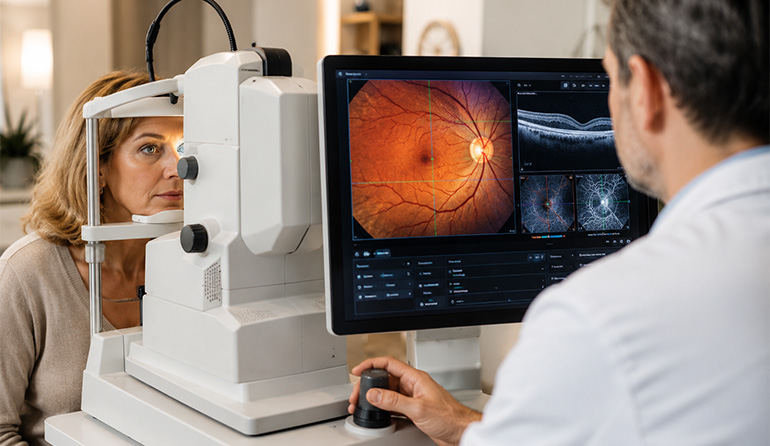
Memory loss is often a silent and difficult process to recognize. Minor forgetfulness experienced in daily life is usually not taken seriously. However, some changes in mental processes may begin to appear in different ways much earlier than expected. Recent findings suggest that one of these early warning signs may be hidden in eye movements. Changes in eye movement patterns may serve as early indicators of impairments in memory and cognitive function. When the responses of individuals from different age groups to visual stimuli are examined, clear differences emerge between people with lower cognitive performance and healthy individuals. These comparisons reveal the strong connection between mental processes and visual behavior.

According to the findings, individuals with lower memory performance focus on more limited areas while examining images and display more uniform gaze patterns. Even when viewing different images, they tend to direct their attention toward similar points. This suggests that visual exploration behavior is reduced and that the brain’s capacity to process new information may be weakened. In contrast, eye movements in healthy individuals are more dynamic and exploration oriented. Shifts in gaze toward different areas of an image indicate that the mind is actively collecting and evaluating information. This difference is closely related to cognitive flexibility and attention processes.

These changes are believed to be associated with the hippocampus, which is the memory center of the brain. The way the visual world is perceived is considered a reflection of underlying mental processes. These findings open a promising path for the early detection of dementia and similar conditions. Eye movement tracking may become an important complementary tool in the future because it is a low cost and accessible method.

March 2026

Is Eye Rubbing in Children Really Harmless?

The habit of eye rubbing, which is frequently observed in children, is often considered a simple reflex but it may be an early sign of certain serious eye diseases.

Children rubbing their eyes is often interpreted by parents as fatigue, lack of sleep, or temporary itching. However, this seemingly harmless behavior may sometimes indicate an underlying and important eye problem. Especially when eye rubbing becomes frequent and repetitive, it should be regarded not only as a behavior but also as a warning sign that requires careful attention. Eye health plays a critical role in both the physical and cognitive development of children. For this reason, ignoring symptoms that appear minor may lead to more serious problems in the future.

Silent Risk That Can Begin Early: Keratoconus
One of the conditions that specialists particularly emphasize is keratoconus. In this disease, the cornea, which is the transparent front layer of the eye responsible for focusing light, becomes thinner and gradually protrudes forward. This structural change disrupts visual clarity and may lead to significant vision loss over time. Although keratoconus is most commonly detected during adolescence, it is known that the disease may begin during childhood. Because noticeable symptoms often do not appear in the early stages, diagnosis is frequently delayed. This delay may allow the disease to progress further.

Among the most important early warning signs are;

  • frequent eye rubbing
  • rapid changes in eyeglass prescription
  • seeing lights as scattered or shadowed
  • inability to see clearly despite wearing glasses
  • light sensitivity and glare

These symptoms should not be underestimated and must be evaluated by an eye care specialist.

Eye Rubbing Is Not Only a Symptom but Also a Risk Factor
Eye rubbing is not only a symptom but also an important factor that may accelerate disease progression. Frequent and forceful eye rubbing can apply mechanical pressure to the cornea and increase thinning. In children with allergic eye diseases, itching is usually more intense and eye rubbing is more common. This situation may trigger the development of keratoconus or cause an existing condition to progress more rapidly. For this reason, parents should help children avoid rubbing their eyes and the underlying causes of itching should always be investigated.

Do Not Overlook Genetic Risk
Genetic factors are known to play an important role in the development of keratoconus. The risk increases significantly in children who have a family history of the disease. For this reason, children with a positive family history should undergo regular and detailed eye examinations. Children are often unable to clearly express visual problems. For them, the way they see the world appears normal. This makes parental observation even more important.

Vision Problems Can Affect Academic Performance
Vision is one of the fundamental components of the learning process. A large portion of the information children receive is acquired through visual input. For this reason, reduced visual quality does not remain only a physical issue but also directly affects academic performance. Children who cannot clearly see the board, who have difficulty recognizing written text, or who become tired quickly while reading may develop problems such as difficulty maintaining attention, reduced interest in classroom activities, reading difficulties and loss of self confidence. Over time, these challenges may lead to a noticeable decline in school performance.

Warning Signs Parents Should Watch For
Certain behaviors may provide important clues that a child is experiencing vision problems. The following signs should be carefully monitored

  • watching television from a very close distance
  • holding books or screens very close to the eyes
  • squinting to see the board clearly
  • frequent eye rubbing
  • sensitivity to light
  • frequent headaches
  • rapid changes in eyeglass prescription

If one or more of these signs are observed, an eye specialist should be consulted without delay.

Early Diagnosis Can Prevent Vision Loss
Although keratoconus is a progressive disease, it can be controlled when diagnosed early. Thanks to modern treatment methods available today, disease progression can be slowed and in some cases stopped. At this point, the most important step is regular eye examinations. Specialists recommend that children undergo eye evaluations at regular intervals even when no symptoms are present.

March 2026

Hidden Eye Diseases May Surface During Ramadan

With the arrival of Ramadan, complaints such as blurred vision, flashes of light, and the sudden appearance of black spots or floaters may increase. These visual symptoms can be important warning signs of previously undiagnosed retinal diseases.

Prolonged fasting and sudden blood sugar fluctuations after iftar require special attention in terms of eye health. Undiagnosed diabetes and diabetes-related diabetic retinopathy may begin to show their first signals as dietary patterns change during Ramadan.

Associate Professor Burak Erden states that diabetic retinopathy is one of the most serious complications of diabetes and often progresses silently. During prolonged fasting, blood sugar fluctuations may occur. If a person has undiagnosed diabetes, these fluctuations can lead to leakage or dilation in the capillaries of the retina, the most sensitive layer of the eye. Symptoms may present as blurred vision or light flashes. Diabetic retinopathy is among the most serious complications of diabetes that can result in vision loss. The earlier it is diagnosed, the greater the chance of preventing progression or treating existing damage.

Examination before ramadan is critical
Associate Professor Burak Erden says: “Many eye diseases, particularly retinopathy, may progress in early stages without any noticeable symptoms. Routine eye examinations therefore play a crucial role. Timely examinations allow early diagnosis of many ocular conditions. Undiagnosed diabetes, vascular damage caused by hypertension, and glaucoma risk can be detected during a comprehensive check-up. Changes in metabolism and decreased fluid intake during Ramadan may alter intraocular balance, making pre-fasting examinations especially important.”

Risk of permanent vision loss
“Diabetes can cause hemorrhages in the retina and macular edema. If not detected in time, these conditions may lead to permanent vision loss. In cases diagnosed early, vision loss can often be prevented. However, many patients delay examinations until significant damage has already occurred, resulting in irreversible consequences” says Associate Professor Burak Erden.

Damage to retinal capillaries
Associate Professor Burak Erden also states that diabetic retinopathy may cause vision loss of up to 90 percent. Diabetes disrupts the structure of retinal capillaries, leading to cell loss, increased vascular permeability, and fluid accumulation in the macula. He adds: “Over time, new vessels may form in the retina. These vessels can bleed and lead to membrane formation inside the eye. As a result, severe vision loss and painful increases in intraocular pressure may occur.”

Dry eye may also intensify with fasting
In addition to retinal diseases, dry eye symptoms may also become more pronounced during Ramadan. Associate Professor Burak Erden says: “Prolonged dehydration can reduce tear quality, leading to severe dryness and blurred vision. Individuals with a family history of diabetes, those over the age of 40, and patients with high myopia are strongly advised to undergo a comprehensive eye examination before Ramadan.”

February 2026

Healthy Vision: Key to Academic Success

According to experts, 83 percent of success in the learning process is related to vision. In Turkey, one in three children has a vision disorder, and if not detected early, these conditions may permanently affect both academic performance and eye health.

Experts emphasize that a decline in academic performance in children should not always be attributed to learning difficulties. Associate Professor Osman Bulut Ocak, an ophthalmologist at Dünyagöz Etiler Hospital, states that one in three children in Turkey has either distance or near vision problems. Many children fall behind in school not because of learning deficiencies, but because they cannot see clearly. Vision accounts for 83 percent of the learning process. If vision disorders are not detected early, permanent problems such as amblyopia, which becomes more difficult to treat in later years, may develop. Regular eye examinations during school age are therefore of great importance.

The most common eye problems in children include myopia, hyperopia, astigmatism, strabismus, and amblyopia. Warning signs for families include difficulty seeing the board clearly, skipping lines while reading, squinting, sitting too close to the television, frequent eye rubbing, headaches, and fatigue during study sessions. Digital screen use also negatively affects eye health. Spending extended periods in front of tablets, smartphones, and computers may cause eye strain, dryness, and latent ocular deviations. Screen time should not exceed one hour per day for children up to age five and should be limited to 1.5 to 2 hours for children aged seven and older.

Healthy vision is one of the cornerstones of academic success. Children should undergo regular eye examinations both before starting school and throughout their education. Even a simple vision screening during the educational process can help a child begin school life with greater confidence and stronger performance. Experts recommend at least one comprehensive eye examination per year as the most effective preventive measure.

February 2026

Do Not Underestimate Eye Injuries

Eye injuries are often perceived as minor accidents, yet incorrect or delayed intervention can lead to permanent vision loss. The first step in protecting eye health is taking the right action at the right time.

Common eye injuries that occur at home or in the workplace are frequently dismissed as simple incidents that can be resolved by rinsing with water. If there is no redness or noticeable vision loss, seeking emergency care or consulting an ophthalmologist is often postponed. However, every minute lost in cases of eye trauma can result in prolonged treatment and even permanent visual impairment. Scratches on the cornea or microscopic damage caused by foreign objects entering the eye may not be visible to the naked eye, yet over time they can significantly reduce visual quality.

First Step in Eye Injuries Can Be Vision-Saving
Eye injuries can occur for many different reasons, ranging from a baby’s or pet’s nails to chemical exposure, sports-related impacts, or fragments of glass and porcelain entering the eye when objects break. Regardless of the cause, if symptoms such as pain, tearing, redness, blurred vision, bruising, or bleeding are present, seeking immediate medical attention is crucial. Specialists summarize the basic first-aid recommendations as follows:

  • If there is severe pain, stinging, or blurred vision, keep the eye closed and seek medical care as soon as possible without using drops or ointments.
  • In cases involving small particles such as sand or dust, gently rinse the eye with clean water. If symptoms persist, a medical examination is necessary.
  • If the eye comes into contact with metal, glass, or other hard objects, do not rub the eye and consult an ophthalmologist immediately.
  • For blunt trauma, a cold compress may be applied. If bruising or visual disturbance develops, professional evaluation is essential.
  • In cases of penetrating or sharp injuries, do not rinse the eye. Keep it lightly closed and wait for medical assistance.
  • If the eye is exposed to chemicals, rinse thoroughly with plenty of water and go to the emergency room immediately.

In eye injuries, prompt and appropriate intervention is the most important key to protecting your vision.

February 2026

Silent Danger on the Eyelid: Chalazion

Appearing as a painless swelling on the eyelid, chalazion is often considered an innocent problem. However, due to its recurrent nature and its potential to affect vision, it is an eye health issue that should not be ignored.

What Is Chalazion, Eyelid Cyst?
The meibomian oil glands located in our eyelids keep the surface of the eye moist. These glands can sometimes become blocked. As a result of this blockage, the gland secretion cannot be released, and a round, firm and usually painless mass forms on the upper or lower eyelid. This condition is called chalazion. It is also known among the public as an eyelid cyst or meibomian cyst. Chalazion is often confused with a stye. However, there are important differences between them. A stye develops as a result of a bacterial infection and is usually painful. Chalazion is not caused by infection and generally does not cause pain. For this reason, it may progress more quietly and can take time to be noticed. Chalazion is seen with similar frequency in women and men, and it is more common in adults than in children. Even after treatment, there is a risk of recurrence in some individuals.

What Causes Chalazion, Eyelid Cyst?
The main cause of chalazion is the inability of the meibomian oil glands to function properly and their blockage. However, there are various risk factors that trigger this condition. Especially the hygiene of the eyes and the area around the eyes plays a decisive role in the formation of chalazion. The main factors that increase the risk of chalazion are touching the eyes with dirty hands, sleeping without removing eye makeup, using expired or unhygienic makeup products, long term contact lens use and inadequate lens cleaning, chronic blepharitis, seborrheic dermatitis, and acne rosacea. These factors prevent the regular functioning of the oil glands and prepare the ground for the development of chalazion.

What Are the Symptoms of Chalazion?
Chalazion usually develops slowly and may not cause noticeable complaints in the early stages. The most common symptoms are as follows:

  • Painless swelling on the eyelid or at the edge of the eye
  • A firm mass felt when touched
  • A feeling of heaviness in the eyelid
  • Watery eyes
  • Sensitivity to light
  • Blurred vision, especially in large chalazions
  • Crusting on the eyelid

In rare cases, chalazion may become infected. In such a situation, redness, swelling, tenderness and pain may occur. In this type of picture, an eye doctor should definitely be consulted.

How Is Chalazion, Eyelid Cyst, Treated?
Most chalazions can regress on their own within a few weeks without the need for treatment. However, some methods are applied to accelerate healing and reduce complaints. The most commonly recommended treatment methods are as follows:

  • Warm compress: It is applied 4 to 5 times a day for 10 to 15 minutes. This helps open the oil glands.
  • Eyelid massage: It can be performed gently after a warm compress.
  • Medication treatment: This may include drops recommended by the eye doctor or antibiotics when necessary.

If the chalazion does not disappear for a long time, recurs frequently or causes visual impairment and astigmatism, surgical intervention becomes an option. This procedure, performed under local anesthesia, is short and the patient is discharged on the same day. Mild redness and swelling after the operation are normal.

Reminder for Eye Health
The most effective way to prevent chalazion is to pay attention to eyelid hygiene and to regularly clean products that come into contact with the eyes. These habits, which may seem simple, make a great difference in protecting eye health.

January 2026

Autism and Eye Contact

Children with autism often have difficulty making eye contact. Eye contact is an important way of building connection and communication between people. However, children with autism may feel uncomfortable with making eye contact or may have difficulty understanding its meaning.

Eye contact is essential for strengthening emotional connection, developing empathy and improving communication. For children with autism, developing eye contact is a major step in increasing social skills and helping them understand the world better.

How Can Eye Contact Be Improved
Children with autism are generally interested in games. You can encourage eye contact by using games. For example, while playing with your child’s favorite toys, you can ask them to make eye contact. In this way, you can turn eye contact into an enjoyable experience. You can set eye contact goals together with your child. For instance, you may aim to maintain eye contact for a certain period of time every day. Keeping these goals simple and achievable can increase your child’s motivation. You can be a model for your child through your own behavior. By making eye contact while talking and playing with them, you can show how eye contact is established. Being a model can strengthen your child’s tendency to imitate behaviors. It is important to reward your child when they make eye contact. Simple rewards such as a warm smile, brief praise or doing an activity they enjoy can be used. This will increase your child’s motivation to maintain eye contact. Seeking professional help is also important in improving eye contact in children with autism. A therapist or specialist can develop strategies suitable for your child’s needs and guide you. Be patient and progress with small steps. Remember that developing eye contact may take time and every child is different. Moving forward gradually can make it easier for your child to achieve success. As a result, making eye contact in children with autism is important because it contributes to the development of communication and social skills. Remember that every child is valuable and every step matters. Do not forget the importance of eye contact for healthy and happy communication!

January 2026

Weight Loss Injections Put Eye Health at Risk

GLP-1 injections and similar medications that have become a popular weight loss trend may threaten eye health. Serious risks are involved especially for individuals with diabetic retinopathy.

Ozempic, Mounjaro and similar GLP-1 injections used recently for weight loss provide weight reduction by suppressing appetite. However, these drugs should not be used solely for the purpose of losing weight. Particularly in patients with diabetes, they may rapidly worsen the course of eye diseases such as retinopathy. Even in people without diabetes, rapid weight loss may lead to changes in blood sugar and fluid balance, causing dry eyes, blurred vision and rarely problems with intraocular pressure. Side effects such as headache, nausea or vomiting in some individuals may also affect eye health indirectly. If you notice sudden changes in vision, blurriness or flashes of light, it is vital to stop the medication and consult an eye specialist immediately. Experts emphasize that use for weight loss without medical supervision is risky and that eye examinations should not be neglected especially in terms of eye health. Remember that although rapid weight loss may seem attractive, doctor supervision and regular eye examinations are essential in order not to put your eye health at risk.

January 2026

Protect Your Eyes From City Lights

Although city lights create an enjoyable nighttime atmosphere, taking simple yet effective precautions can help protect your eye health.

While walking through the city in the evening, colorful reflections from shop windows, illuminated billboards, and car headlights create a striking and lively scene. However, this intense artificial lighting can cause eye fatigue, glare, difficulty focusing, and even short-term headaches. At night, the pupil naturally dilates to collect more light, making the effects of bright light sources feel much more pronounced. Experts recommend wearing sunglasses with wide lenses and high-quality coatings when going out at night to reduce glare caused by city lights. In addition, keeping car windows clean while driving and choosing glasses with anti-reflective coatings significantly improves visual comfort and supports driving safety. For eye health, balanced lighting is important not only outdoors but also indoors. Excessively bright or overly dim lighting places unnecessary strain on the eye muscles and may lead to long-term eye fatigue. Using soft, evenly distributed light sources in work and living spaces helps balance the intense light exposure the eyes face throughout the day. While the sparkle of the city can be enjoyable, taking small yet effective precautions to protect your eyes enhances daily comfort and supports long-term eye health.

Tips for improvıng night vision

  • Avoid Looking Directly at Light Sources: Car headlights and brightly lit shop windows can cause glare.
  • Take Regular Breaks: If you drive at night for long periods, give your eyes short breaks to rest.
  • Choose Anti-Reflective Coatings: This feature improves clarity in night driving glasses.
  • Maintain a Balanced Diet: Foods rich in vitamin A, lutein, and zeaxanthin such as carrots, spinach, and corn support night vision.
  • Keep Your Eyes Hydrated: Dry air can reduce visual clarity at night; staying well hydrated and keeping the eyes moist is important.

December 2025

Red Eyes May Lead to Vision Loss

Red eye, which may occur due to various causes, can be an early sign of conditions that may lead to vision loss or even loss of the eye…

The term “red eye” is not a diagnosis in itself but a general expression used to describe a visible condition affecting the eye. The eye consists of multiple layers, including the ocular surface, the retina, and the uvea. Each of these layers may cause redness as a result of different diseases. Clinical conditions such as conjunctivitis, keratitis, uveitis, and increased intraocular pressure (glaucoma) are among the most common causes of red eye. In ocular surface diseases, the most frequent causes of red eye involve problems related to the eyelids, conjunctiva, cornea, and the tear system. Irritation, infection, inflammation, or functional disorders affecting these tissues may lead to pronounced redness and a sensation of discomfort in the eye. In this context, red eye can represent much more than a simple superficial redness, and early identification of the underlying condition is critical for appropriate treatment and referral.

Take Eye Redness Seriously
Eye redness may occur due to various causes, and treatment options can differ accordingly. If red eye develops suddenly and progressively worsens, it requires greater attention. The presence of pain alongside redness is an indicator of increased severity. When red eye occurs, it is essential to be evaluated by an ophthalmologist as soon as possible and to receive appropriate treatment. Many conditions that begin with red eye can result in vision loss or even loss of the eye if left untreated. In fact, in many patients presenting with red eye, systemic conditions such as rheumatic, hormonal, and dermatological diseases may also be diagnosed. Red eye is a condition that should never be underestimated. Using inappropriate medication instead of seeking professional eye care may not only be ineffective but can also lead to serious consequences.

December 2025