With the seasonal changes, complaints of dry eyes and allergies have started to increase due to weather conditions.
Allergic conditions that occur with the arrival of spring should not be taken lightly; because eye allergies can be seasonal or temporary, and if not treated in time, they can bring the risk of blindness. Assoc. Dr. Abdullah Özkaya from Memorial Şişli Hospital Eye Center made suggestions about eye allergies and their treatments.
Is it Really Allergic?
Eye allergy, which is a very common complaint, or allergic conjunctivitis with its medical name, is the reaction of the eyes to something that irritates them, namely an allergen. Eye allergies develop when the body’s immune system becomes sensitized and overreacts to something in the environment that usually does not cause problems for most people. Unlike other types of conjunctivitis, eye allergies do not spread from person to person. Because eye allergies share symptoms with other eye diseases, it is important to make the correct diagnosis. For example, eye allergies and eye infections are different conditions with similar symptoms but different medical causes. If the eyes are red and irritated and no foreign objects are visible on the eye, this may be due to an allergy. Ophthalmologists, i.e. ophthalmologists, use a special lamp eye microscope to detect swollen blood vessels on the surface of the eye in order to understand which is the problem and to differentiate between infection and allergy.
Apply ice compress
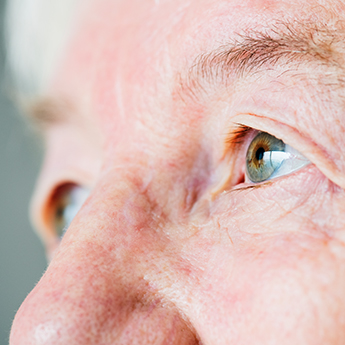
Stating that eye allergy is a disease that occurs with symptoms such as redness, watering, burning, rarely stinging and itching in the eyes as a result of the mixing of tree and plant pollen into the air starting in March and April, Assoc. Prof. Dr. Abdullah Özkaya said, “In case of eyelid swelling during the allergy period, wrapping ice in a clean towel and applying it to the eye in the morning reduces eye redness and edema in the eyelid.”
Use water-based paint in your home
Stating that since the dusting of flowers increases during these months, those who feel uncomfortable with the existing flowers in the house should take their flowers to their balconies if possible or ventilate the room to reduce contact, Özkaya said, “Allergy is not only in flowers, it can also be caused by other substances that grow in humid environments such as fungi. If the walls of the house are painted with synthetic paint, after a while the walls start to stop breathing. If the house is damp and there are blisters and color changes in the paint, it also affects the air inside and increases allergies. I recommend that allergic people use breathable, water-based paints for their house paints.”
Advice for lens wearers
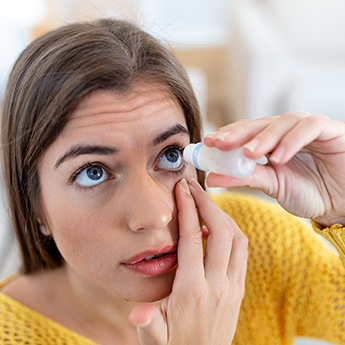
Stating that people who use contact lenses are more prone to allergies in spring, Assoc. Prof. Dr. Abdullah Özkaya said, “There are different solutions for lens wearers. For example, it is possible to make allergic periods comfortable by applying drops before wearing the lens in the morning and after the lens is removed in the evening.”
There may be a risk of blindness
Stating that allergic conjunctivitis is defined as a non-microbial inflammation of the membrane called conjunctiva, which surrounds the inside of the eyelids and the white part of the eye, due to allergies, Assoc. Prof. Dr. Abdullah Özkaya talked about its effect on children as follows, “Although classical allergic conjunctivitis is very common in children, a special type of allergy called vernal allergic conjunctivitis can be seen from the age of 5-6. This condition requires more intensive follow-up and stricter treatment. Because when the treatment progresses, it can progress to vision loss. Eye allergies in children need to be handled carefully. In cases of intense redness and watery eyes, we add cortisone medications on the 5th to 10th day of treatment in addition to standard allergy medications. Our cortisone medications should be used under the supervision of a doctor to provide rapid relief to our patients.”
Always consult an ophthalmologist
Stating that an ophthalmologist should definitely be consulted for the correct diagnosis, Assoc. Prof. Dr. Abdullah Özkaya said, “Eye allergy treatment needs to be planned and followed individually. For this reason, it is necessary not to use the existing eye drops at home that you have used before without consulting a doctor again in this season because they are good. It is important for people with allergic reactions to consult an ophthalmologist. When the patients arrive, we examine them, diagnose them, treat them with appropriate medications and ensure that they spend this season more comfortably and under control.”
May 2023