Health check-ups of children should be a top priority before and during the school period. Lazy eye (amblyopia), a common childhood condition, can lead to permanent vision loss if not diagnosed early.
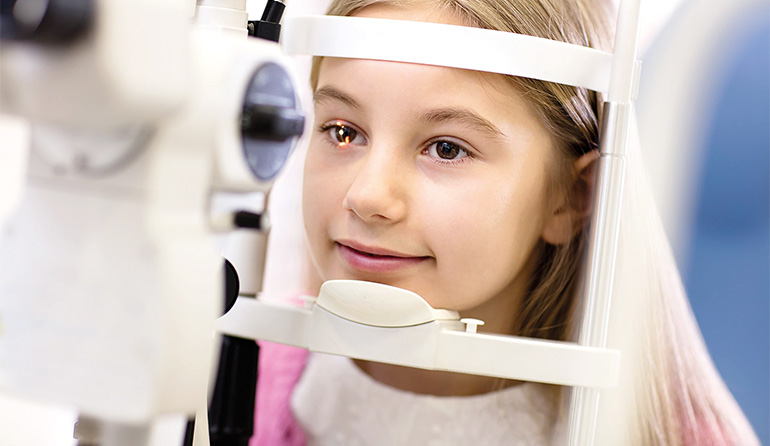
Amblyopia, commonly known as lazy eye, occurs when one eye has weaker vision than the other due to underdevelopment of the visual center during infancy or early childhood. It affects approximately 1.5% to 3.5% of the population. Early signs may include frequent blinking, one eye drifting inward or outward, or subtle eye misalignment. In most cases, only one eye is affected, though both eyes can sometimes be involved. Lazy eye develops when one eye is used less than the other, and because children are often unaware of the problem, it may go unnoticed for years. This silent condition can directly impact academic performance and social development. Amblyopia is a hidden issue your child may not realize they have – even without symptoms, a simple pre-school eye examination can help detect and prevent it early.
During reading or close-up activities, skipping lines, leaning too close to the page, tilting the head, frequent tripping, or visible eye deviation may indicate lazy eye. Attention deficit and learning difficulties can also be indirect signs. Parents should be alert to these signals. The critical treatment window is before the age of 7-8; after this period, the chances of recovery decrease and vision loss can become permanent.
Every parent should ensure their child undergoes an eye examination before the school year begins, even if there are no visible complaints. Early detection of amblyopia – a condition that can drastically affect both quality of life and school success – allows timely treatment and prevention. Starting therapy at an early age enables children to achieve healthy visual capacity, perform better in school, and gain confidence in daily life.
Treatment Can Restore Healthy Vision
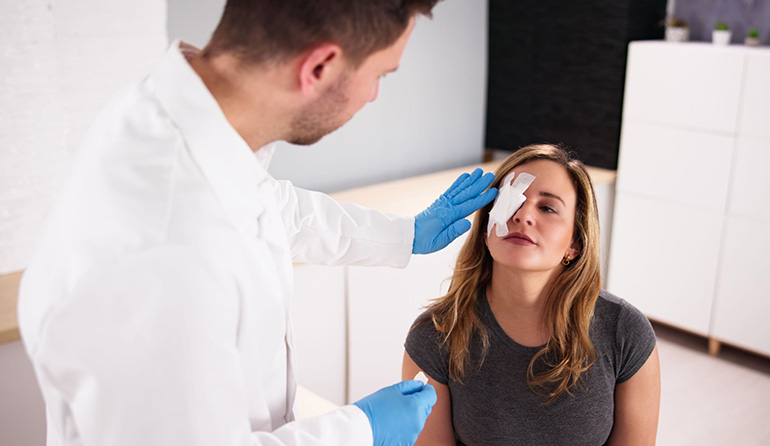
The main goal in treating amblyopia is to reactivate the weaker eye and strengthen visual function. When caused by refractive errors, the condition can often be corrected with prescription glasses, which improve visual acuity and support eye development. Another effective method is patching therapy, where the stronger eye is covered for certain periods to stimulate the weaker one. This helps reestablish balance between the eyes and yields particularly successful results in younger children. In some cases, orthoptic exercises are also recommended to enhance eye coordination and promote binocular visual development. Consistency and regular follow-ups play a crucial role in the success of treatment.
Healthy Vision is the Key to Academic Success
A comprehensive eye examination before starting school is one of the most valuable investments for a child’s future – ensuring not only academic achievement but also long-term visual health. Academic success is not only about studying hard, but also about seeing clearly. Early detection of amblyopia allows children to start their education with confidence and a healthy vision for life.
October 2025