Sculptural Twist by Loewe

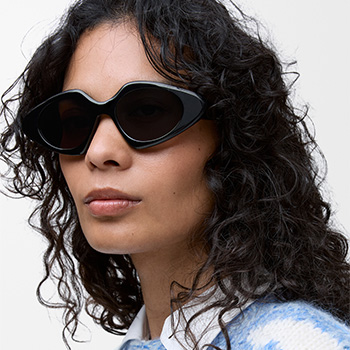
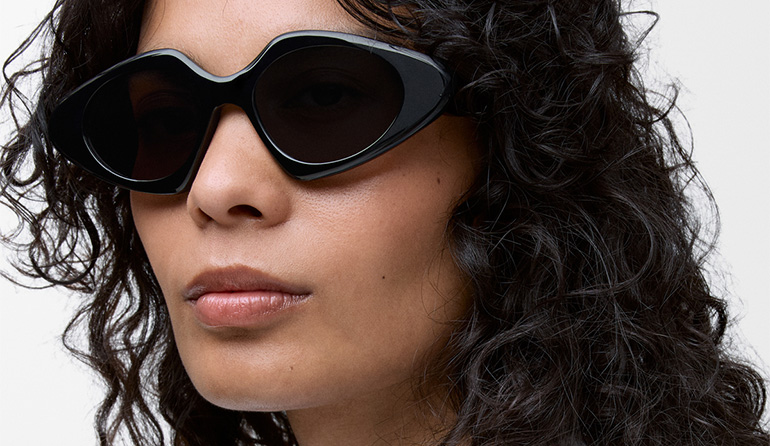
Loewe reimagines the classic cat-eye through a modern lens, highlighting fluid lines and a bold silhouette. The glossy black acetate frame creates a striking contrast with the smoky-toned lenses, while gold logo details on the temples provide a sophisticated signature. Combining sharp edges with smooth transitions, this design adds a confident, urban touch to any style.

February 2026

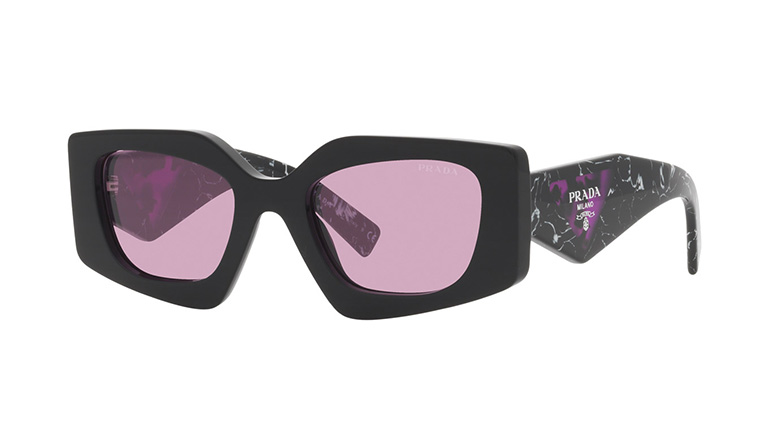
Retro Power by Prada

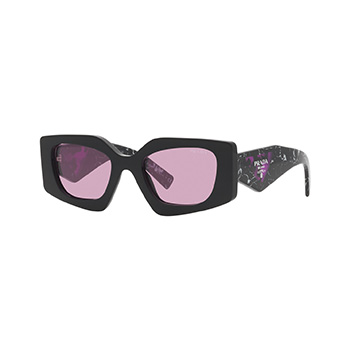
Prada revisits vintage spirit with a contemporary perspective in this striking sunglass design. The tortoiseshell acetate frame harmonizes with dark-toned lenses, while the iconic logo plaque on the temples leaves a clear signature. Its angular lines and rich texture create a bold statement, making this design perfect for those looking to add character to their style.

February 2026

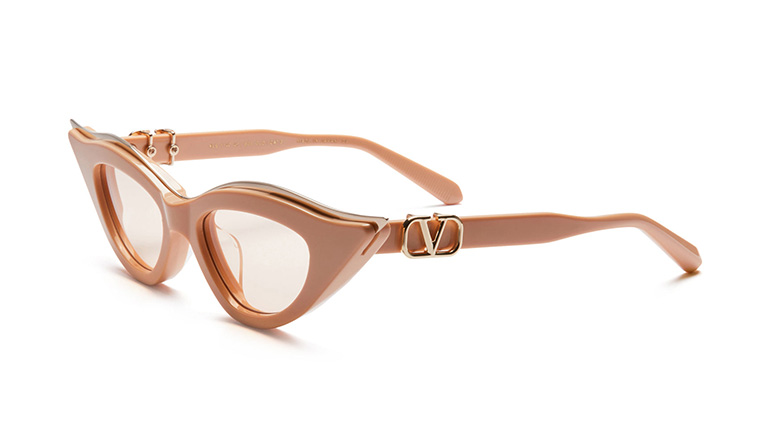
Feminine Elegance by Valentino

This chic Valentino cat-eye, tapering to delicate tips in warm nude tones, interprets femininity through modern lines. Gold-toned upper frame details complement the smooth acetate structure, adding a jewelry-like effect, while the light-hued lenses enhance a sense of airiness. With its sculptural silhouette and refined color, this design offers effortless elegance for fashion enthusiasts.

February 2026

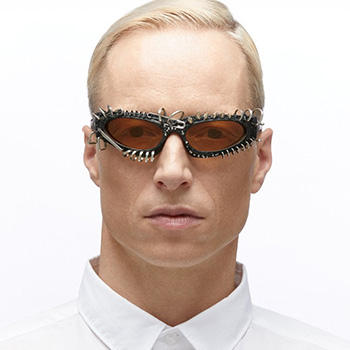
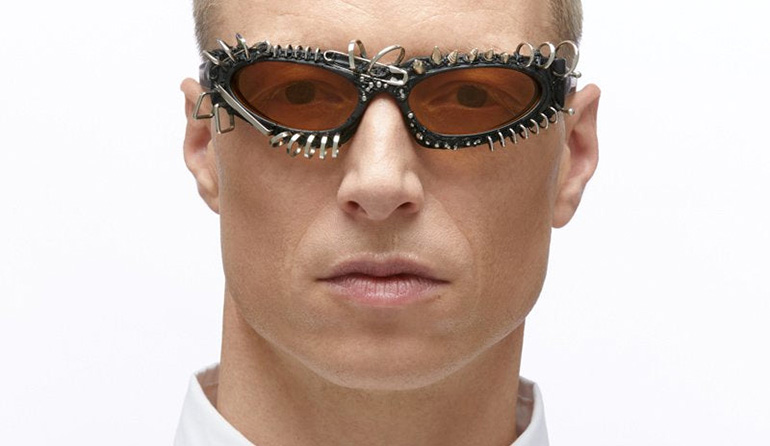
Artistic Identity of Kuboraum

Kuboraum presents a boundary-pushing aesthetic with this model. The dark frame, surrounded by metal rings and industrial details, creates a striking contrast with amber-toned lenses. Its compact structure that integrates seamlessly with the face and its strong material presence elevate the design beyond an accessory, transforming it into a style with a distinct character.

February 2026

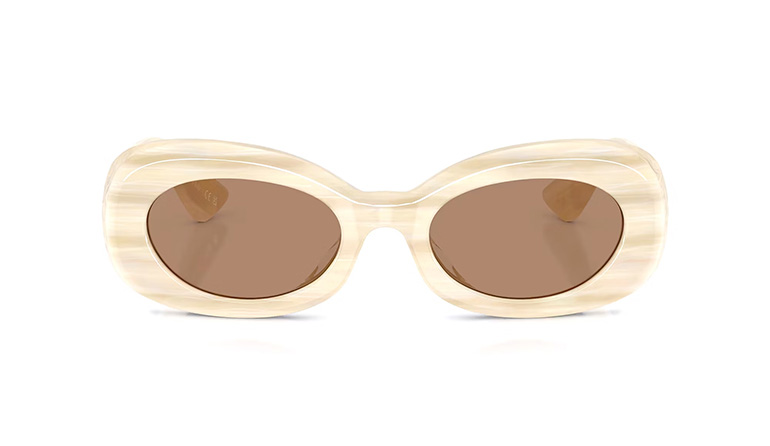
Marble Accents by Oliver Peoples

Oliver Peoples’ design stands out with its soft silhouette, marble-inspired texture, and refined proportions, blending classic elegance with modern details. The thick, sculpted frame pairs harmoniously with naturally toned lenses, while the delicate bridge and minimal logo touches add a sophisticated character. Reflecting modern luxury, this design is ready to captivate high-fashion enthusiasts.

February 2026

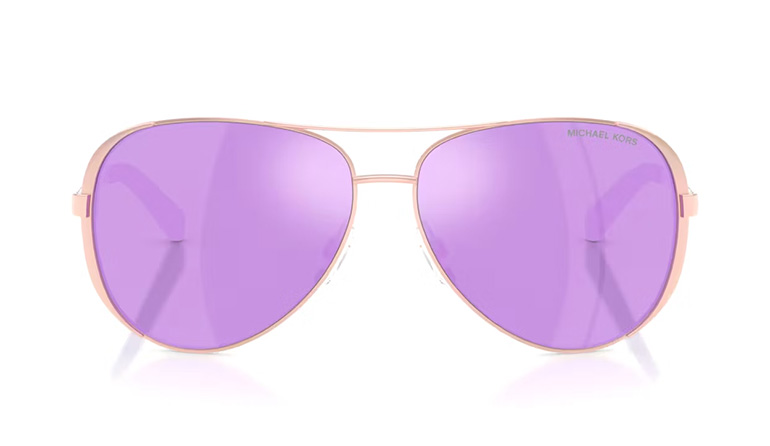
Unique City Style by Michael Kors

Michael Kors complements modern city style with elegant lines, enriched with subtle, refined details. Delicate metal accents bring movement to the sleek design, while warm-toned lenses create a harmonious look. Logo on the temples and lenses add a sophisticated touch, and with its fluid shape and polished texture, this design stands out as a powerful accessory that elevates any outfit.

February 2026

Timeless Golden Elegance by Cartier

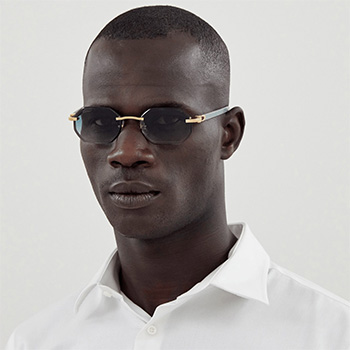
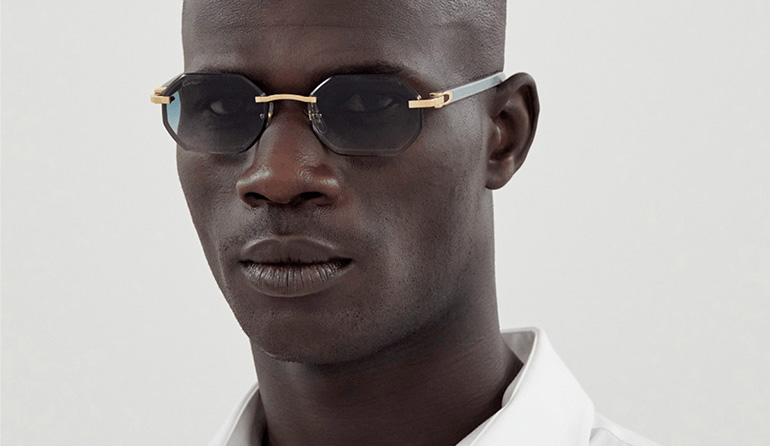
Cartier flawlessly reflects its craftsmanship and refined sense of style in its eyewear collections as well. This distinctive geometric design by the maison blends luxury and natural elegance through gold-toned metal details and wood-textured temples. Shaped with meticulous crafts, the frame stands out as a modern interpretation of Cartier’s aesthetic, defined by its sophisticated presence and timeless lines.

February 2026

Retro-Sportive Design by Brett

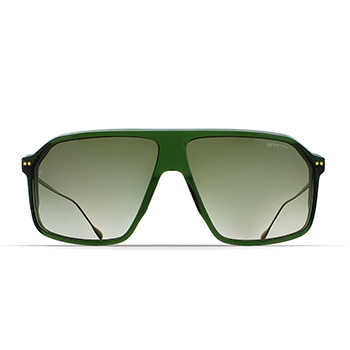
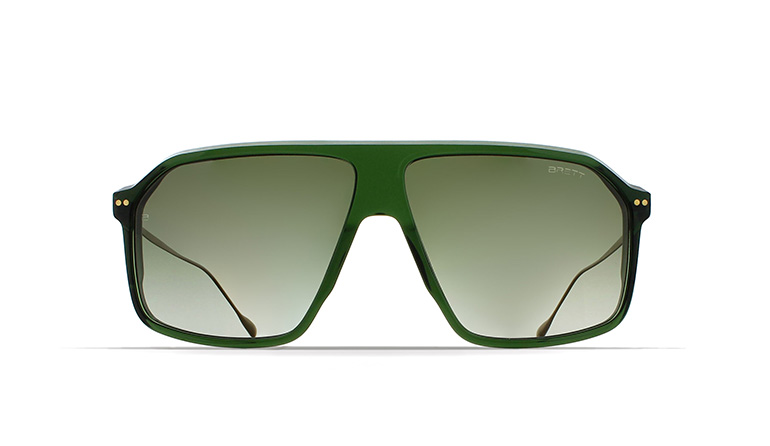
Following the success of the Duke model, Brett Eyewear pushes its retro-sportive design approach even further with Rx Duke. Delivering an avant-garde aesthetic, Rx Duke stands out with its acetate front, ultra-thin stainless steel temples and specially designed spatula-style temple tips that fit comfortably under helmets. Inspired by automotive design, Rx Duke is available in three color options.

February 2026

Hidden Eye Diseases May Surface During Ramadan

With the arrival of Ramadan, complaints such as blurred vision, flashes of light, and the sudden appearance of black spots or floaters may increase. These visual symptoms can be important warning signs of previously undiagnosed retinal diseases.

Prolonged fasting and sudden blood sugar fluctuations after iftar require special attention in terms of eye health. Undiagnosed diabetes and diabetes-related diabetic retinopathy may begin to show their first signals as dietary patterns change during Ramadan.

Associate Professor Burak Erden states that diabetic retinopathy is one of the most serious complications of diabetes and often progresses silently. During prolonged fasting, blood sugar fluctuations may occur. If a person has undiagnosed diabetes, these fluctuations can lead to leakage or dilation in the capillaries of the retina, the most sensitive layer of the eye. Symptoms may present as blurred vision or light flashes. Diabetic retinopathy is among the most serious complications of diabetes that can result in vision loss. The earlier it is diagnosed, the greater the chance of preventing progression or treating existing damage.

Examination before ramadan is critical
Associate Professor Burak Erden says: “Many eye diseases, particularly retinopathy, may progress in early stages without any noticeable symptoms. Routine eye examinations therefore play a crucial role. Timely examinations allow early diagnosis of many ocular conditions. Undiagnosed diabetes, vascular damage caused by hypertension, and glaucoma risk can be detected during a comprehensive check-up. Changes in metabolism and decreased fluid intake during Ramadan may alter intraocular balance, making pre-fasting examinations especially important.”

Risk of permanent vision loss
“Diabetes can cause hemorrhages in the retina and macular edema. If not detected in time, these conditions may lead to permanent vision loss. In cases diagnosed early, vision loss can often be prevented. However, many patients delay examinations until significant damage has already occurred, resulting in irreversible consequences” says Associate Professor Burak Erden.

Damage to retinal capillaries
Associate Professor Burak Erden also states that diabetic retinopathy may cause vision loss of up to 90 percent. Diabetes disrupts the structure of retinal capillaries, leading to cell loss, increased vascular permeability, and fluid accumulation in the macula. He adds: “Over time, new vessels may form in the retina. These vessels can bleed and lead to membrane formation inside the eye. As a result, severe vision loss and painful increases in intraocular pressure may occur.”

Dry eye may also intensify with fasting
In addition to retinal diseases, dry eye symptoms may also become more pronounced during Ramadan. Associate Professor Burak Erden says: “Prolonged dehydration can reduce tear quality, leading to severe dryness and blurred vision. Individuals with a family history of diabetes, those over the age of 40, and patients with high myopia are strongly advised to undergo a comprehensive eye examination before Ramadan.”

February 2026

Healthy Vision: Key to Academic Success

According to experts, 83 percent of success in the learning process is related to vision. In Turkey, one in three children has a vision disorder, and if not detected early, these conditions may permanently affect both academic performance and eye health.

Experts emphasize that a decline in academic performance in children should not always be attributed to learning difficulties. Associate Professor Osman Bulut Ocak, an ophthalmologist at Dünyagöz Etiler Hospital, states that one in three children in Turkey has either distance or near vision problems. Many children fall behind in school not because of learning deficiencies, but because they cannot see clearly. Vision accounts for 83 percent of the learning process. If vision disorders are not detected early, permanent problems such as amblyopia, which becomes more difficult to treat in later years, may develop. Regular eye examinations during school age are therefore of great importance.

The most common eye problems in children include myopia, hyperopia, astigmatism, strabismus, and amblyopia. Warning signs for families include difficulty seeing the board clearly, skipping lines while reading, squinting, sitting too close to the television, frequent eye rubbing, headaches, and fatigue during study sessions. Digital screen use also negatively affects eye health. Spending extended periods in front of tablets, smartphones, and computers may cause eye strain, dryness, and latent ocular deviations. Screen time should not exceed one hour per day for children up to age five and should be limited to 1.5 to 2 hours for children aged seven and older.

Healthy vision is one of the cornerstones of academic success. Children should undergo regular eye examinations both before starting school and throughout their education. Even a simple vision screening during the educational process can help a child begin school life with greater confidence and stronger performance. Experts recommend at least one comprehensive eye examination per year as the most effective preventive measure.

February 2026