






Hidden Eye Diseases May Surface During Ramadan
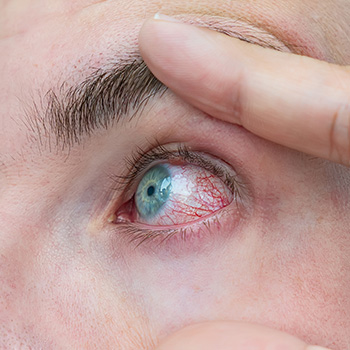
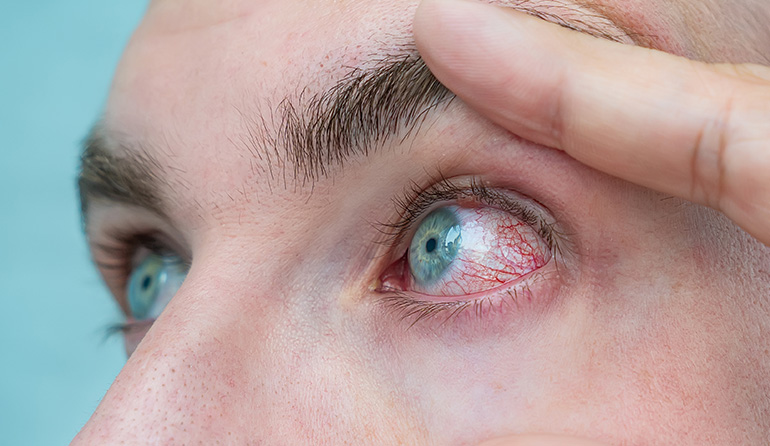
With the arrival of Ramadan, complaints such as blurred vision, flashes of light, and the sudden appearance of black spots or floaters may increase. These visual symptoms can be important warning signs of previously undiagnosed retinal diseases.
Prolonged fasting and sudden blood sugar fluctuations after iftar require special attention in terms of eye health. Undiagnosed diabetes and diabetes-related diabetic retinopathy may begin to show their first signals as dietary patterns change during Ramadan.
Associate Professor Burak Erden states that diabetic retinopathy is one of the most serious complications of diabetes and often progresses silently. During prolonged fasting, blood sugar fluctuations may occur. If a person has undiagnosed diabetes, these fluctuations can lead to leakage or dilation in the capillaries of the retina, the most sensitive layer of the eye. Symptoms may present as blurred vision or light flashes. Diabetic retinopathy is among the most serious complications of diabetes that can result in vision loss. The earlier it is diagnosed, the greater the chance of preventing progression or treating existing damage.
Examination before ramadan is critical
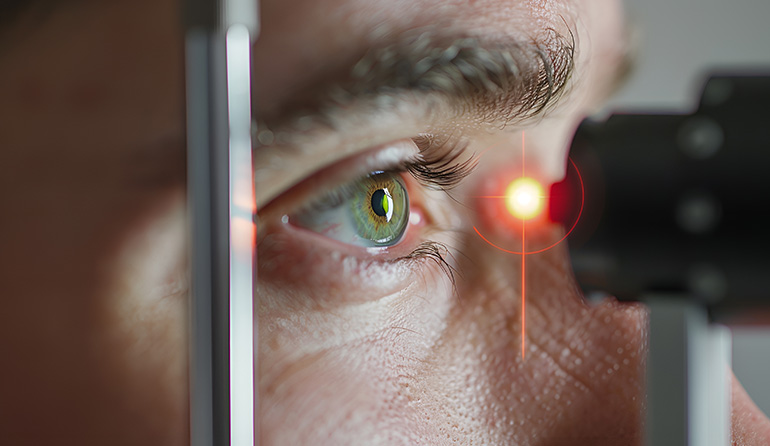
Associate Professor Burak Erden says: “Many eye diseases, particularly retinopathy, may progress in early stages without any noticeable symptoms. Routine eye examinations therefore play a crucial role. Timely examinations allow early diagnosis of many ocular conditions. Undiagnosed diabetes, vascular damage caused by hypertension, and glaucoma risk can be detected during a comprehensive check-up. Changes in metabolism and decreased fluid intake during Ramadan may alter intraocular balance, making pre-fasting examinations especially important.”
Risk of permanent vision loss
“Diabetes can cause hemorrhages in the retina and macular edema. If not detected in time, these conditions may lead to permanent vision loss. In cases diagnosed early, vision loss can often be prevented. However, many patients delay examinations until significant damage has already occurred, resulting in irreversible consequences” says Associate Professor Burak Erden.
Damage to retinal capillaries
Associate Professor Burak Erden also states that diabetic retinopathy may cause vision loss of up to 90 percent. Diabetes disrupts the structure of retinal capillaries, leading to cell loss, increased vascular permeability, and fluid accumulation in the macula. He adds: “Over time, new vessels may form in the retina. These vessels can bleed and lead to membrane formation inside the eye. As a result, severe vision loss and painful increases in intraocular pressure may occur.”
Dry eye may also intensify with fasting
In addition to retinal diseases, dry eye symptoms may also become more pronounced during Ramadan. Associate Professor Burak Erden says: “Prolonged dehydration can reduce tear quality, leading to severe dryness and blurred vision. Individuals with a family history of diabetes, those over the age of 40, and patients with high myopia are strongly advised to undergo a comprehensive eye examination before Ramadan.”
February 2026