


Curiosities About Eyelid Tumors

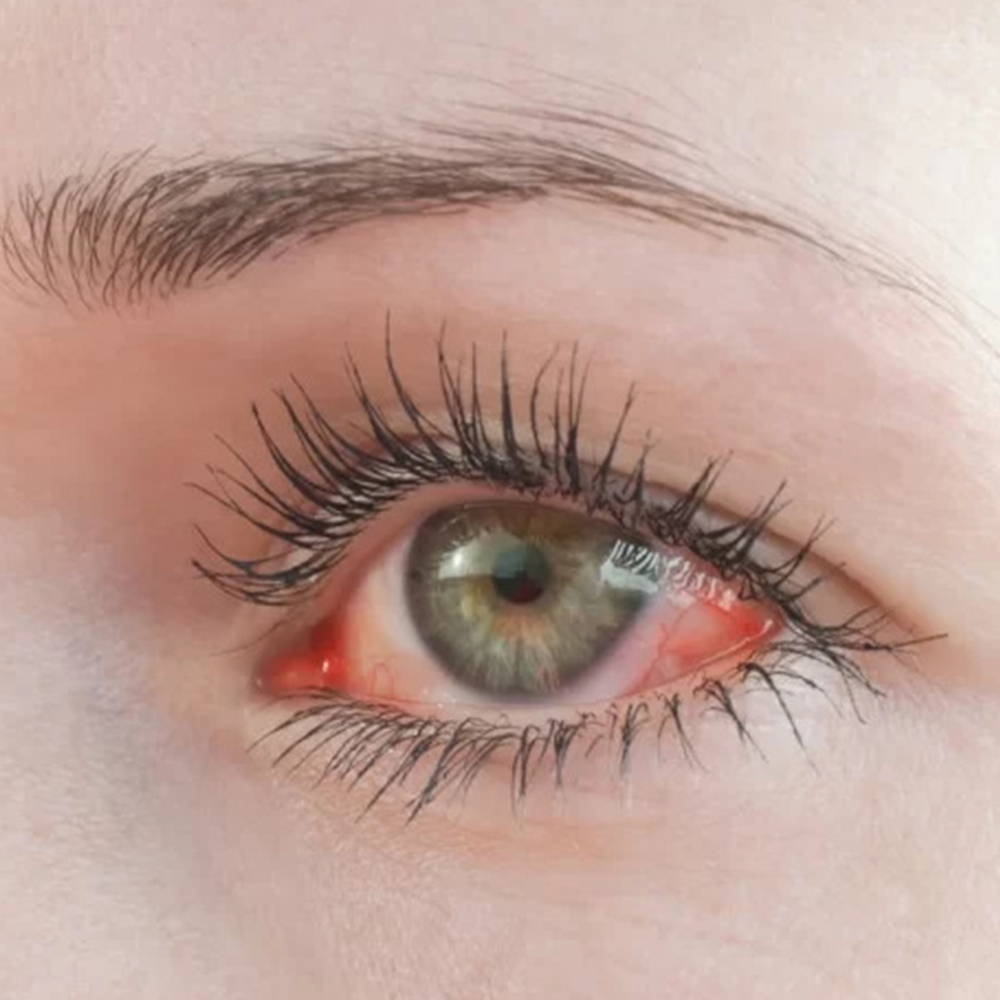
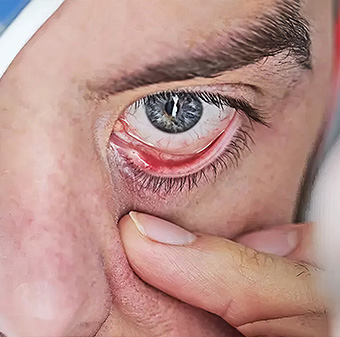
Stating that eyelid tumours can be encountered for various reasons, Ophthalmologist Op. Dr. Ahmet Maden said that these tumours can be diagnosed with regular eye examinations.

Many different benign or malignant tumours can occur on the eyelids. Since the eyelids and their surroundings are the most vulnerable area to external factors such as sun rays, ultraviolet, dust, smoke, etc., it is one of the regions where skin cancers are most common. Early detection of eyelid tumours is an important advantage. Especially removal of malignant tumours before they grow and spread around is extremely important in terms of preserving the integrity and functions of the eyelid. In the treatment of eyelid tumours, the type, size and location of the tumour and its spread to surrounding tissues are important. The majority of malignant tumours are recognised by their clinical appearance, and if necessary, preliminary pathological examination can be performed by biopsy. Treatment of valve tumours is surgical. The main problem is to repair the defect formed in the lid after the removal of the tumour in a way to protect the integrity and health of the eye in form and function. This process is called “lid reconstruction”. For these reasons, malignant tumours of the eyelid should be removed as soon as they are seen, while they are still very small in size. Benign tumours of the eyelid may also need to be removed for cosmetic reasons, even if they do not cause functional impairment.

Eyelid tumours should be handled by ophthalmologists who are experienced in the anatomy and functions of the eye and specialised in oculoplastic surgery. Especially if the malignant tumour cannot be completely eradicated or if the lid reconstruction is not at the desired level after tumour removal, it may cause much more serious problems.

March 2024

Visual Impairment Must be Treated up to 12 Years of Age

Ophthalmology Specialist Assoc. Prof. Dr. Arif Ülkü Yener stated that visual impairments in children who come to the examination are detected by teachers or mobile health teams and said, “In some families, sensitive, careful parents can also notice this. For example, the child sits close to the television and squints. Such things indicate that there is a refractive error in the eye. The most important thing is to pay attention to hyperopia. While laziness cannot occur in myopes, it can occur in hypermetropes. Especially if there is a difference between the two eyes, if one eye is zero while the other is 2 or 3 degrees, laziness can definitely develop in the eye with the higher number. There is no treatment after the age of 12. Therefore, great attention should be paid. Early intervention is important for public health and professional success.”

Provided that hygiene is very careful, especially contact lenses are recommended

Stating that the use of glasses should be preferred after the diagnosis of visual impairments, Yener said, “There are microbial conditions that we see from time to time in contact lenses. It may even lead to loss of the eye. For this reason, we do not recommend contact lenses for children under the age of 10, but contact lenses can be used in a certain age range when people’s consciousness develops. This is usually after the ages of 12 and 13 or before the 40s and 50s. We do not recommend contact lenses for very old people, children under the age of 10, and people who cannot do their own personal care. We especially recommend contact lenses in high myopes, hypermyopes and in different

March 2024

Important Explanation About Eye Fatigue

Eye fatigue is one of the increasing ailments. This discomfort, which is frequently seen in people who constantly look at the computer or phone, can be treated with simple methods.

Eye fatigue, called “asthenopia” in medical language, is the fatigue of the eyes due to overwork of the optic nerves and small muscles. Eyes are very sensitive to lack of nutrition, lack of sleep, environmental pollution and muscle tension, and reading without a break, driving for a long time, spending too much time on digital screens and prolonged exposure to some lighting can cause eye fatigue. Although some eye diseases occur due to a genetic or medical condition, eye fatigue is not among these diseases.

Digital eye strain is one of the most common disorders of our age. Especially direct and long-term use of digital devices by children and adults leads to eye fatigue. Exposure to the screens of electronic devices such as phones and computers in childhood has been proven in studies to cause myopia in later ages.

Long-term screen time: Spending long hours in front of digital screens (computers, smartphones, tablets and TVs) can lead to digital eye strain, characterised by symptoms such as dry eyes, blurred vision and discomfort.

Poor lighting: Inadequate or excessive lighting in your workspace or environment can strain your eyes. Inadequate lighting can make it difficult to read or work, while overly bright lighting can cause glare and discomfort.

Uncorrected vision problems: If you have uncorrected vision problems such as nearsightedness, farsightedness or astigmatism, your eyes may work harder to focus, which can lead to eye strain.

Incorrectly prescribed glasses or contact lenses: Wearing the wrong prescription glasses or contact lenses or old lenses can cause eye discomfort and fatigue. Inadequate tear production or poor tear quality can cause dry eyes, which can lead to eye fatigue and discomfort.

Exposure to blue light: Prolonged exposure to blue light emitted from digital screens and artificial lighting can disrupt your sleep-wake cycle and contribute to eye strain.

Reading for long periods of time: Reading for long periods of time without taking breaks or using proper lighting can cause eye strain, often referred to as “reader’s fatigue”.

Poor ergonomics: An uncomfortable workstation setup, such as an improperly positioned computer monitor, keyboard or chair, can lead to awkward postures and eye strain.

Lack of blinking: When working on a computer or focusing intently on a task, people tend to blink less, which can lead to dry eyes and eye fatigue.

Exposure to allergens: Allergens such as dust, pollen or pet dander can irritate your eyes and cause eye strain, especially if you are allergic.

Eye diseases and conditions: Some eye conditions, such as glaucoma, cataracts or macular degeneration, can also cause eye strain, among other visual symptoms.

Eye fatigue is a condition that is very disturbing to people. Those seeking eye strain treatment should first make some changes in their lifestyle. Generally, eye strain is not a medically treated condition. However, in some cases, eye fatigue symptoms may also be the cause of conjunctivitis. It is necessary to be examined by an ophthalmologist for ongoing discomfort as a result of measures taken such as resting the eyes. To prevent and alleviate eye strain, it is very important to follow the 20-20-20 rule (take a 20 second break every 20 minutes and look at something 20 metres away), adjust your lighting and screen settings, maintain proper ergonomics, keep your prescription up to date and use artificial tears or lubricating eye drops when necessary.

March 2024

Being Colorblind Can Mean Different Things

Despite common misconceptions, color blindness doesn’t equate to seeing the world like a black and white movie. In fact, most individuals with color blindness can perceive some colors, albeit with varying degrees of vividness.

The most common form of color blindness, affecting approximately 8% of men and 0.5% of women, is red-green color blindness. In these individuals, distinguishing between shades of red and green can create difficulties, with certain colors appearing indistinguishable. Interestingly, many animals, including dogs, share this type of color blindness. Less common than red-green color blindness, blue-yellow color blindness is a condition in which the cones tasked with perceiving blue and yellow hues exhibit abnormalities. As a result, individuals with this condition may have difficulty distinguishing between various shades of blue and yellow. Total color blindness, or monochromacy, is the rarest form of color blindness and causes individuals to be unable to perceive any color at all. It is a condition that affects only about 1 in 33,000 people. Furthermore, those with total color blindness may experience high sensitivity to bright light.
Makes Life Difficult
While color blindness might seem like a minor inconvenience, its effects can significantly impact everyday activities. For instance, red-green color blindness can complicate tasks such as reading traffic lights, interpreting maps, and understanding graphical data. Similarly, blue-yellow color blindness may pose challenges in discerning colors in art or graphic design, potentially limiting opportunities in certain professions like aviation or electrical work.
Consult Your Ophthalmologist
Although there is no cure for color blindness, individuals can use various tools and techniques recommended by their ophthalmologist to alleviate its effects. For example, color filters can increase color contrast, helping to distinguish between different shades. There are also special glasses and contact lenses designed to correct color vision deficiencies, but they do not fully restore normal color vision.

February 2024

You may have eye stone!

Do not think that stones in the body only occur in the kidney or gall bladder. Burning, stinging or itching in the eyes may be caused by a stone in your eye.

Eye stones, called conjunctival concretions in Latin, are small white deposits formed when the protein materials in the epithelial cells and tear-producing glands covering the surface of our body are covered with calcium over time. Eye stones, which are seen in 1 out of every 10 people, can develop with irregular sleep, smoking and alcohol use, insufficient water and fruit consumption. Although eye stones are generally not harmful, over time they can pierce the conjunctiva that covers them. They can protrude to the surface of the eye and cause a foreign body sensation, redness, burning and stinging. Here, patients should see an experienced ophthalmologist and never remove eye stones on their own.
How to Treat Eye Stones
Patients who come with complaints such as stinging, burning and redness in their eyes are sometimes treated with artificial tears. However, there may be cases where the complaints in the eye do not go away despite the use of artificial tears for a long time. When such patients are examined in more detail, stones in the inner parts of the eye are seen. The stones are removed and the patient’s treatment is completed with appropriate eye drops. After the treatment, patients completely get rid of their current complaints.
How to Prevent Eye Stones
Experts recommend regular sleep, proper nutrition and drinking plenty of water to prevent eye stone formation. In addition, not being in air-conditioned environments too much, ventilating the place frequently, not staying in over-lit environments for a long time, not spending hours in front of the screen or cell phone; It will both prevent the formation of eye stones and help protect eye health. You can also apply cotton wool moistened with chamomile tea to the eyelids for 10 minutes every evening, before going to bed, to purify and rest the eyes.

February 2024

What is Retinoblastoma, How is it Treated?

A retinoblastoma is a rare malignant tumor of the retina. It occurs as both hereditary and non-hereditary forms. It is seen typically in children who are below the age of 5 years.

The diagnosis of retinoblastoma is a clinical diagnosis. The most characteristic symptom is a whitish reflex from the pupils of the affected eye in children. This is most often picked up when a flash photo is taken, and the pupils look white instead of the normal orange-red glow. This sign is called leukocoria or cat’s eye pupil. Other symptoms include strabismus, or crossed eyes. This may be discovered by the parents, and may be confirmed by uncovering each eye in turn while the child is looking at some object.

Some children complain of redness and soreness of the eyes. This pseudoinflammation is seen in about a tenth of such patients. Other less common symptoms include bulging of the eyeball, discoloration of the iris in the eye with the tumor, differences in the size, shape and activity of the pupil of the affected eye, and symptoms due to metastasis such as bone pain. Visual acuity may be affected, or the child may complain of double vision.

Confirmation of Diagnosis

An indirect ophthalmoscopy is required to confirm the diagnosis of retinoblastoma. This is done through dilated pupils, and examination under anesthesia is required in very young children and infants. The interior of the eyeball must be thoroughly visualized, including the whole of the retina and the optic nerve head. A slit lamp examination, called biomicroscopy, is also done to examine the inside of the eye using a powerful focused light beam and a microscope.

Further eye tests may be ordered:

  • Fluorescein angiography: a dye called fluorescein is injected into the blood vessels of the eye to look for blocked or dilated or leaking vessels on an X-ray film.
  • Ultrasonography of the eyeball: ultrasound waves are used to create a picture of intraocular tissues.
  • Magnetic resonance imaging (MRI): this gives a more detailed image of soft tissues, including the spread of the tumor into nearby tissues.
  • Computerized tomography (CT) scanning: this uses a series of X-rays taken from different angles to synthesize a composite image of the area images. It is often avoided in young children, especially if they have a family history of retinoblastoma or other tumors, because of the potential danger of exposure to ionizing radiation.

A full physical examination of the child is done as usual to pick up signs of related or unrelated disease. A bone scan may be required to check for signs of bone spread.

Treatment of a Retinoblastoma

How a retinoblastoma is treated depends upon:

  • Tumor size
  • Tumor number
  • Tumor location
  • Extent of involvement of intraocular and extraocular structures
  • Any other tumor
  • Family history of retinoblastoma
  • Extent to which vision can be conserved

In any case, the treatment of a retinoblastoma requires the services of a team of health care providers who have experience with childhood cancer treatment. The aims of treatment are to prevent death from cancer, as well as to save the child’s eye, and vision if possible, as well as achieving the minimum possible side effects.

Treatment Approaches

  • Cryotherapy: a cryoprobe is used to freeze and destroy tumors with a diameter of up to 5mm and thickness of 3mm. This technique may need to be repeated, with intervals of 3-4 weeks.
  • Laser photocoagulation: laser light energy is used to heat tumors and destroy their blood supply, making them non-viable, or in other cases to render them more sensitive to other tumor-ablating techniques.
  • Thermotherapy: microwaves are used to heat the tumor cells and destroy them.
  • Radiotherapy: both external beam irradiation and brachytherapy are used. External beam radiation therapy has the advantage of greater precision, sparing surrounding tissues and therefore conserving more vision. Three modalities are in use: intensity modulated radiation therapy (IMRT), stereotactic external beam radiation therapy (gamma knife), and proton beam radiation therapy.

Brachytherapy consists of plaque radiotherapy, where radioactive metals like I-125, are placed in the form of seeds on a plaque, which is sutured to the sclera outside the tumor. The plaque remains in position from 3 to 7 days depending on tumor size and extent. Radiation therapy is associated with a greater risk of side effects to the brain and the eye, in the very young children who are the typical targets of this cancer.

  • Chemotherapy: systemic chemotherapy is used when distant metastases have occurred. Drugs used include cisplatin, etoposide and vincristine. A specialized form of chemotherapy involves the use of high dosages of very potent drugs, with the use of stem cells to replenish the stock of non-tumorous cells such as bone marrow cells which are also severely affected by the chemotherapy regimen – called stem cell rescue. Chemotherapy may be administered intravenously, orally, or intra-arterially (into the artery that supplies the eyeball – only for tumors limited to the eye), or intrathecally (into the space around the central nervous system containing cerebrospinal fluid).
  • Enucleation: this surgical procedure involves the removal of the entire eye, with part of the optic nerve. It is often used with larger or more extensive tumors. It may also be the second-line therapy if radiation or other eye-sparing techniques fail, and if there is no hope that vision can be conserved. It is usually combined with the insertion of an adult-size artificial eye implant to which the ocular muscles are reattached. This helps eye movements to look more natural. In addition, a skillfully colored shell is fitted over the implant to simulate the appearance of the normal eye. The child must be followed up for recurrence or a new tumor for at least 2 years.
  • Orbital exenteration: this procedure involves the removal of all intraorbital tissue, and is a disfiguring surgery.

Late effects of treatment include:

  • Effects of radiation on the growth of the face may produce midfacial hypoplasia, as well as problems with hearing and vision
  • Effects on cognition and mood
  • Second cancers especially of the lung or bladder, osteosarcomas or sarcomas, or melanomas, are quite common in individuals with a heritable form of retinoblastoma

About nine of every ten children with retinoblastoma are cured, or show no recurrence of the tumor in five years after treatment. Life-long follow up is mandatory because of the high risk of second tumors, and tumor development in the other eye. This is usually seen to happen within the first 3 years after the first tumor develops, so the eyes should be examined every 2-4 months for at least 28 months. The risk of trilateral retinoblastoma is high with the heritable form. For this reason, MRI scanning is required every six months, until the child is at least five years old.

Source: News Medical

February 2024

Now a virus outbreak in the eyes!

The incidence of epidemics has also increased in recent days as the weather has started to cool down. Adenoviruses, which are characterized by sore throat, fever, cough and runny nose, can cause conjunctivitis, also known as conjunctivitis and red eye.

Stating that viral infections that increase with cold weather also affect eye health, Ophthalmologist Assoc. Prof. Dr. Gamze Öztürk Karabulut said, “The incidence of epidemic diseases has also increased in recent days when the weather has started to cool down. Adenoviruses, which are characterized by sore throat, fever, cough and runny nose, can cause conjunctivitis, known as conjunctivitis and red eye. It is important for those with these symptoms to be examined by an ophthalmologist in terms of eye health.”
Adenovirus Outbreak in Eyes
It is also frequently seen with adenovirus outbreaks in the eyes in winter. We encounter adenovirus outbreaks mostly in the fall and winter periods. Since people spend much more time indoors, the contagiousness of the virus increases. Severe and long-lasting redness can occur in the eye. This can be transmitted through door handles and elevator buttons that people come into contact with. It is important to wash our hands before touching our eyes and pay attention to hand hygiene to prevent the spread of adenovirus. People with complaints such as sore throat, runny nose and eyes, fever and cough are recommended to be examined by an ophthalmologist.
Attention to Air Pollution
Increasing air pollution in cold weather, especially in big cities, increases the problem of dry eyes. Environmental conditions affect eye health very much. Since air pollution increases in cities in winter months, we encounter a lot of dry eye problems. When people go to different cities, complaints may decrease or increase according to the environment of that city. Someone who has no complaints and lives in the countryside may feel uncomfortable when he comes to the city, or dry eye complaints may increase when he goes from cities with a mild and humid climate to regions with a dry and cold climate. Dry eye causes complaints such as burning, stinging, itching, pain, fatigue. We create an environment for ourselves in the smoke, which causes burning and stinging in the eyes and creates a feeling of fatigue. For this reason, one of the biggest health problems encountered in cold weather, especially in winter, is dry eye. Even people who do not feel discomfort throughout the year may have complaints when the weather gets colder.
Humid Environments are Important
Heaters and air conditioners in closed environments cause dry eye or increase the complaints of the person with dry eye. Systems used for heating indoor environments can also take moisture from the air and cause complaints such as dry eye. For this reason, it is very important to humidify the environment indoors. If the complaint of dry eye increases, it is recommended to consult a doctor.
Don’t Neglect to Consume Vegetables and Fruits
We may not get enough vitamins in winter. For this reason, consuming healthy vegetables and fruits will also be beneficial for eye health. In addition, regular eye examinations once a year are important for the protection of eye health and early diagnosis of diseases.

January 2024

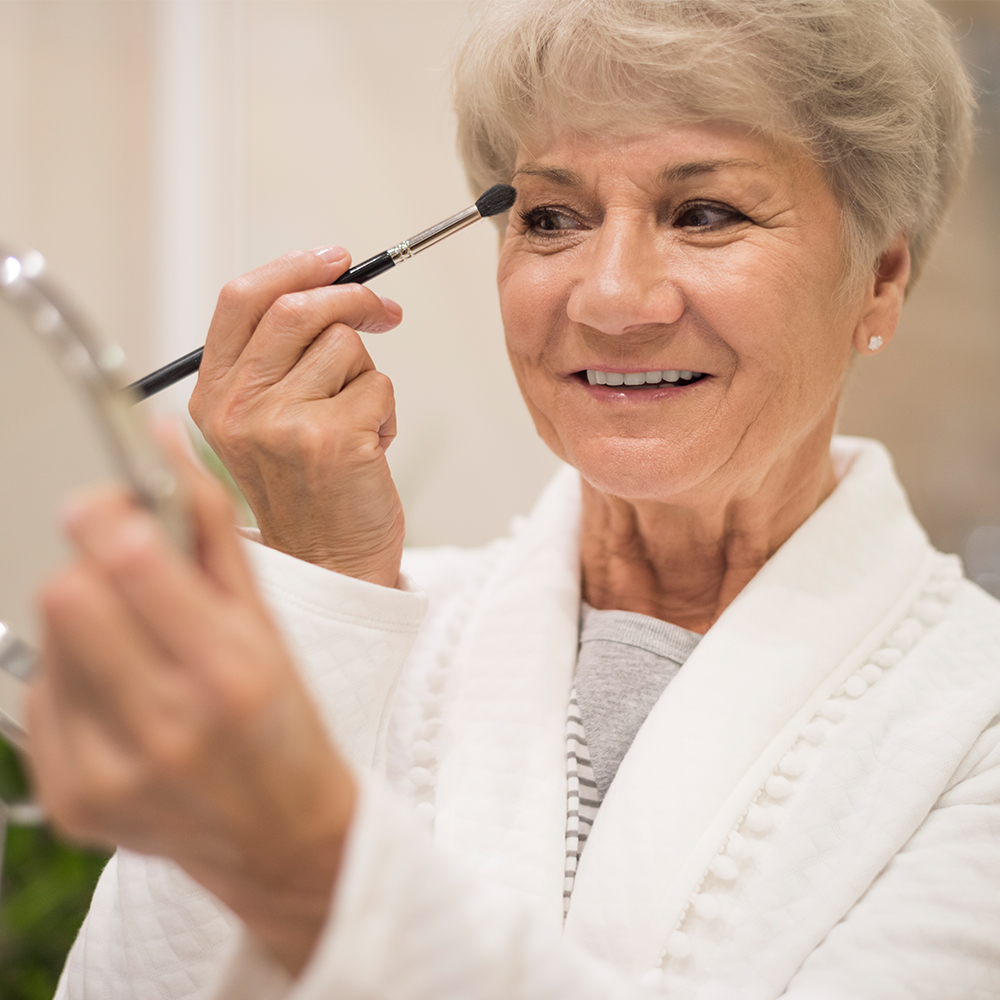
How to apply low eyelid makeup?

It is necessary to pay attention to the eye structure while applying eye makeup. You can make your dream makeup by using the right products and makeup techniques. Here are the things to pay attention to those with low eyelids…

A droopy eyelid is a health problem that is congenital due to various reasons or develops later, in the form of a low eyelid that covers the colored part of the eye for more than one millimeter in length. Low eyelid ptosis is a condition that needs to be treated both because it causes problems in visual ability and because it causes an aesthetically undesirable appearance. You want to apply eye makeup that you like, but you cannot achieve the same look. When those with low eye structure do not apply the right techniques, the eyeshadow they apply may not be visible or their eyes may appear smaller than they are. Here are the things that those with low eye structure should pay attention to…
Start with Base
Always apply an eye shadow base before starting your eye makeup. The eyeshadow base ensures that the products you apply stay fixed on the eyelid for a long time without smearing.
How to Apply Eye Shadow
The most common complaint of those with low eye structure is that the eyeshadow applied is not visible. Therefore, it is important to apply eyeshadow with the right brushes and techniques. Do not apply dark colors on the crease, this makes the eye socket look deeper. Apply the shadow you want to shade slightly above the crease, this will make your eyes look lighter than they are. Choose matte textures and light colors instead of pearlescent or glittery shadows. Apply the darkest shades to the ends of your eyelids. Do not raise your eyebrows while applying eye shadow. You can make your eyes look more vibrant and younger by applying light colored eye shadow to the eye sockets.
Eyeliner
When applying eyeliner, look straight ahead and keep your eyes open so that your eyeliner will be visible when you close your eyes. Try to apply the pencil thinly, otherwise you may smudge it on your eyelid.
Light Color Pen
You can make your eyes look bigger than they are by applying a light colored pencil to the base of the eyelashes. Avoid applying dark pencil inside the eye, dark colors will make your eyes look even smaller.
Eyelashes
After using the eyelash curler, apply your mascara, but apply it more intensely on the center lashes. You can skip the lower lashes.

January 2024

Beware of eye nerve damages!

Eye nerves can be damaged due to many reasons such as glaucoma, infections due to immune system diseases, physical trauma.

These eye nerve damages can lead to visual defects and advanced vision loss.
Damage to the optic nerves can be recognized by some symptoms, such as blurred vision, loss of clarity in vision, pale and lifeless colors in the objects looked at, inability to fully understand colors, limitations in vision, dark spots appearing and not being understood at some points, twitching in the eye, weakness in the eye muscles or shrinkage in one eye, and simultaneous observation of eye pain and headaches and triggering each other. If you observe these and similar symptoms, it is important to consult an ophthalmologist at the hospital. The specialist will make the correct diagnosis with vision tests and eye examinations and apply the appropriate treatment option.

January 2024

Rubbing eyes too much creates risk

Any problem in eye health directly affects the quality of life.

Rubbing the eyes more than normal is one of the behaviors that negatively affect eye health. Experts warn that this action of people who rub their eyes too often can cause various disorders.
Keratocunus May Occur
People who rub their eyes a lot are in the risk group for keratoconus disease, which causes visual impairment. Starting between the ages of 15 and 25, the disease can be difficult to recognize in the early stages. In keratoconus disease, the transparent retina layer at the front of the eye tapers and becomes thinner. This tapering and thinning is progressive and causes gradual deterioration of vision. In terms of prevalence, it is found in one in 2 thousand people. Keratoconus, the exact cause of which is unknown, progresses until the age of 35-40. People with keratoconus usually have an allergic eye structure and have a history of constant eye rubbing since childhood. For this reason, it is necessary to be careful against eye rubbing that starts at an early age and care should be taken to have regular eye examinations.

January 2024