




Some Eye Diseases Increases Dementia Risk!

People with poor eyesight start to read less due to reading difficulties. Reading less further reduces the amount of stimulation the brain receives…

Which eye diseases are associated with dementia?

  • Diabetic retinopathy: 61% higher risk of dementia.
  • Age-related macular degeneration: 26% higher risk of dementia.
  • Cataract: 11% higher risk of dementia.

Can cataract surgery reduce the risk of dementia?

A study published in the journal Jama Internal Medicine in 2021 found that cataract surgery reduces the risk of dementia in older adults. A study in 2022 estimated that clear vision and healthy eyes could potentially prevent dementia.

How can we help someone with visual impairment and dementia?

  • Adjust lighting in the house so that it is bright but not dazzling.
  • Provide color contrast in areas such as stairs or the kitchen for safety.
  • Keep area corridors and rooms clean. Clear of obstacles that could cause a fall.
  • Invest in tools and technology that can provide assistance.
  • Provide large print books and audio books.
  • Maintain a healthy diet and lifestyle.

What can we do for better eye and brain health?

  • Do not smoke.
  • Exercise for a total of at least 150 minutes a week.
  • Maintain your weight by eating a healthy diet. Obesity increases the risk of eye and brain diseases. Eat lean protein, whole grains, vegetables and fruits.
  • Sleep at least 7-8 hours a night.
  • Engage in activities to reduce your stress levels.
  • Get annual check-ups for problems such as high blood pressure, high cholesterol and diabetes, which increase the risk of eye and brain disease.
  • Try to learn new things and engage in activities that keep your mind sharp.
  • Be part of a strong social network of family and friends.

April 2023

If it is Hard for You To Drive You May Have Cataracts

Decreased distance or near vision, difficulty in driving, frequent changes in spectacle
numbers are among the symptoms of cataracts.

Decreased distance or near vision, faded and yellowed colors, difficulty in driving, light sensitivity and seeing rings around lights, double vision in one eye, frequent changes in eyeglass or contact lens numbers, and sometimes even the sudden decrease in the need for reading glasses in patients who use reading glasses or start seeing close-up without glasses are indicators of cataract development. While cataract is defined as an irreversible disorder, surgical applications come to the fore as the only treatment method. There is a natural crystalline lens just behind the colored layer of the eye. This lens is transparent and reduces the rays coming into the eye to the retinal nerve layer and provides a clear image. Opacification and clouding of this lens for different reasons leads to blurred and low vision. This condition is called cataract. Beware if your glasses number changes frequently! Age-related cataracts usually progress gradually. Therefore, the patient may not feel any change in vision in the early stages. While the prevalence of cataracts is 5% around the age of 65, it increases to 50% at the age of 75. However, cataract is not only an age-related disease. Diabetes, hypertension, obesity, exposure to sunlight, radiation, long-term use of cortisone medication, eye trauma, uveitis or previous eye surgery can cause cataracts to appear at an earlier age. Congenital cataracts can also be seen in infants. Some metabolic diseases, consanguineous marriage, certain diseases and infections in the womb, and the use of medication during pregnancy can lead to this condition. The only treatment method for cataracts is surgery and the diagnosis is made by an ophthalmologist through a biomicroscopic examination. The only treatment for cataract is surgery and cataract surgery is the most common procedure in ophthalmology.

March 2023

What Are The Harms Of Permanent Makeup?

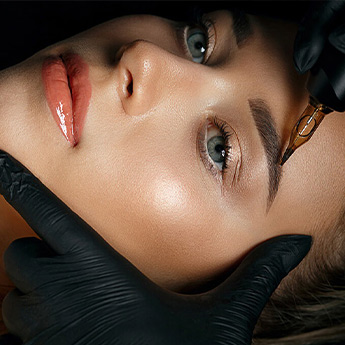
Permanent makeup, which is preferred by women who want to save time and work at a busy work pace, can also cause permanent health problems. This procedure, which is applied with anesthesia, may induce to serious diseases transmitted through blood as well as skin problems.

Today, permanent makeup is frequently preferred, especially for lips and eyes. Permanent makeup, which saves women from the rush of applying makeup every day and removing their makeup at the end of the day, also has its harms. Permanent makeup, which many women prefer, is a type of makeup technique made by injecting colored tattoo ink under the skin. In permanent makeup application, micro-needles are used to draw smoother and thinner lines. While microblading is applied on the eyebrows, micropigmentation applications called coloring are applied on the eyes and lips by specially trained specialists. Although permanent makeup application performed by experts in sterile environments using the right products does not cause any harm, sometimes troublesome situations may arise. Here are the damages of permanent makeup…

Skin Complications May Occur: Permanent makeup can cause complications such as cracking, peeling, blistering and local infection on sensitive skin.

Scars may occur in case of removal: In cases such as patient dissatisfaction, scars may also occur as a result of removal of permanent makeup.

Unsterilized Instruments Can Transmit Disease: The use of unsterilized permanent makeup tools can infect the patient with serious diseases such as HIV and hepatitis.

March 2023

Vision Defects in Children May Be a Harbinger Of a Tumor

Brain tumors, caused by abnormal growth of tissues in the brain, can cause headaches, morning sickness and visual disturbances in children.

Brain tumors develop when the normal structures of the cells that make up structures such as brain tissue, cerebellum, vessels and meninges within the skull are disrupted and grow uncontrollably. Severe headache, nausea, weakness in arms and legs can be symptoms of brain tumors. In addition, brain tumors can cause speech disorders, hearing loss and psychological imbalances. If left untreated, these tumors, which rank second among childhood cancers, can cause permanent damage and life-threatening conditions in children.

Early diagnosis is very important

Although brain tumors may seem rare, they are the most common tumors of childhood after leukemia. The exact cause of brain tumors is unknown, but they are thought to be caused by environmental pollution, genetic factors and unbalanced nutrition. Symptoms of brain tumors in children differ from those in adults. In adults, brain tumors mostly manifest as severe headaches, whereas in children they are more often associated with visual and developmental impairment.

Beware of temporary vision loss, headache and hearing loss!

60-65% of the brain is devoted to the visual pathways and higher centers related to vision. An object can only be seen if the image is perceived first in the eye and then in the visual center in the back of the brain. When there is a problem in these visual pathways, symptoms may appear as sudden or progressive vision loss. In diseases involving eye movements, the main symptom is double vision and the problem may involve eye muscles, nerves or control centers in the brain. Complaints such as temporary loss of vision or double vision, hallucinations, droopy eyelids, and differences in the size of the pupils can be signs of a brain tumor.

Size difference between two eyes is the most important symptom of brain tumor

Seeing everything double means that the eyes are not in the correct position. It usually occurs due to a problem in the control of the eyes by the brain. In children, turning one eye in or out later on indicates that the brain has lost control of the eyes. This may occur because the eye cannot see and cannot tell the brain which direction it is looking in, or the brain control systems themselves may be impaired by a tumor.  The pupils

are round or equal in size in both eyes. The size of the pupil regulates the amount of light entering the eye and is controlled by the brain. This is because it is the easiest way to observe the result of normal or impaired nerve connections with the brain. Therefore, if there is an irregular pupil or a difference in size between the two eyes, a doctor should be consulted.

Treatment varies according to the age of the patient

There are tumors that can be cured by surgical removal, but sometimes a combination of chemotherapy or radiotherapy may also be required. The various treatment options are determined by the nature of the tumor and often by the age and functional status of the child. As a general rule, radiotherapy is very important in the treatment of adult brain tumors. However, radiation treatments can have adverse effects on the developing brain. For this reason, chemotherapy is often the first choice in young children.

March 2023

Despite The Eyeglasses Attention if You Cannot See Well!

Myopia and irregular astigmatism occur in patients with keratoconus. So, patients cannot see far or near very clearly. Their eye grades are constantly increasing and therefore frequent spectacle changes are required.

Ophthalmologist Op. Dr. Eyüp Özcan gave information about the subject. Keratoconus is a disease with progressive thinning and steepening of the cornea seen in 1 out of every 2000 people in the society. In the presence of this disease, there is a rapid increase in spectacle numbers and complaints of inability to see well despite eyeglasses. Keratoconus often occurs in adolescence and it is also known to start in childhood. The most common known cause of the disease is eye rubbing due to allergic eye diseases. If the correct allergy treatment is not performed and the eye is rubbed, the cornea mechanically weakens and keratoconus disease occurs with the activation of certain enzymes. Allergic eye diseases are more common and the incidence of keratoconus is also increasing, especially in countries like our country where the sun’s rays are steep. In adolescents with allergic eye disease, corneal topography should be performed even if there is no refractive error.

Keratoconus Symptoms

– Blurred vision (due to an increase in myopia and astigmatism over time),

– Distorted, oblique vision,

– Glare in the eye,

– Eye sensitivity to light, glare,

– Image proliferation

– Redness, itching and swelling of the eye

– Impaired night vision

– Incomplete placement of the previously used contact lens in the eye

– Frequent increase in spectacle numbers (especially myopia and astigmatism)

These patients usually have myopia and astigmatism refractive error. The presence of keratoconus should be investigated in patients whose spectacle numbers change rapidly. While vision is good with glasses in the early stages of the disease, eyeglasses are insufficient in the middle and late stages. In this case, hard gas permeable contact lenses specially produced for keratoconus can be used, but it should be known that they are not very comfortable to wear. In advanced cases, visual acuity can be improved by corneal ring application and phakic intraocular lens implantation. With early diagnosis of the disease, the progression of the disease can be stopped with a high success rate with corneal crosslinking operation and a good level of vision can be maintained for a lifetime. Unfortunately, corneal transplantation is the last resort for patients with corneas that are diagnosed late and too thin to undergo crosslinking. Op. Dr. Eyüp Özcan said, ”Keratoconus is a disease that creates a serious socio-economic burden on which many treatments are being developed all over the world. It is a preventable problem with early diagnosis and cross-linking treatment. Every patient under 18 years of age should be evaluated with corneal topography and corneal cross-linking treatment should be applied in the presence of progressive keratoconus.

February 2023

2.2 Billion People Are Visually Impaired

Myopia continues to increase worldwide. The reason for this is that digital screens are used too much today.

The most common cause of visual impairment in the world is refractive error, namely myopia, hyperopia and astigmatism. Myopia is the most common disorder among these. 2.2 billion people in the world are currently experiencing vision problems. Unfortunately, myopia continues to increase in the world. The reason for this is that digital screens are used too much today. Another factor in the development of myopia is a family history of myopia. Generally, when parents have myopia, this possibility is very high in children.

Emphasizing that myopia is more common in people who work close to the screen, Assoc. Prof. Dr. Aylin Kılıç said, “High-grade myopes not only have distance vision defects but also carry many risks in their eyes. Retinal diseases can be among these risks. Many diseases such as retinal detachment, the development of new vessels in the retina or cataracts, glaucoma can be seen at a higher rate with myopes. Recently, it has been announced that refractive errors show a different spread according to geography. Another study showed that socioeconomic factors and those who do not spend much time outdoors are very important in the development of myopia. For example, the more children play in sunlight, the less likely they are to develop myopia. Ultraviolet rays cause the body to release dopamine, which reduces the axial length of the eye. In myopes, the length of the eye has a high anterior and posterior diameter, this height can be stopped thanks to dopamine.”

February 2023

Attention to The Symptoms of Eye Cancer!

Malignant tumors that form in the tissues around the eye, inside the eye, eyelid or retina are defined as “eye cancer”.

Eye cancer, which is mostly found in the cells that give color to the eye and feed the eye, can also occur in surrounding tissues. Melanoma, intraocular lymphoma, retinablastoma seen in children, hemangioma, eyelid melanoma, tear gland tumor are types of eye cancer.

The most important symptoms of eye cancer:

– Blurred vision,

– Loss of vision,

– Hypersensitivity to light,

– Redness of the eyes,

– Swelling in the eyes,

– Tenderness in the eyelids,

– Inflammation around the eye,

– Dark discoloration of the colored part of the eye.

Causes that lead to eye cancer:

– Exposure to very high levels of radiation

– Smoking and alcohol consumption,

– Genetic inheritance and predisposition,

– Damage to the cells around the eye caused by ultraviolet rays can also lead to eye cancer.

If the disease is in the initial stage, laser treatment is generally the preferred method. In cases where laser treatment is not sufficient, proton therapy is mostly applied to the patient. In advanced cases, radiotherapy and chemotherapy can be applied.

February 2023

Rubbing Eyes Triggers Keratoconus

To avoid keratoconus, do not rub or scratch your eyes and have your
general eye examination every year.

Keratoconus disease, which is frequently encountered especially in countries where heat, dust and allergens are intense, occurs as a result of the cornea becoming tapered and thinning forward. The disease, which is shown as the primary cause of corneal transplantation, is most common in Southeastern Anatolia and Mediterranean coasts in Turkey. Both genetic and environmental factors play a key role in the development of the disease. The most important environmental factor is damaging the cornea by scratching and rubbing the eye. Keratoconus occurs with the thinning of the cornea and its anterior conical enlargement. This causes the light to not focus properly inside the eye. As a result, vision deteriorates and daily activities such as reading and driving become very difficult. In some cases, the disease can be genetic. It is also present in 1/10 of the parents. Eye allergy, severe scratching of the eye, and connective tissue diseases such as Ehlers-Danlos or Marfan Syndrome have also been associated with keratoconus. It usually occurs either in the late 20s or early 20s. Within 10-20 years, vision gradually deteriorates. It usually affects both eyes and may progress differently.

The first symptom is blurred vision
Among the early symptoms of the disease, blurred vision, bent and wavy lines, sensitivity to light and glare, redness and edema may occur in the eye. As the disease progresses, symptoms such as turbidity increase, far vision deterioration, astigmatism progression, difficulty in using contact lenses and inability to fully adapt may occur. Although it takes years for keratoconus to progress from the early phase to the advanced stage, it may progress rapidly in some cases. In these cases, corneal edema and scar formation affect the transparency of the cornea, and this is the reason for faster progression in visual complaints. Routine eye examination is very important for early diagnosis and treatment of the disease.

January 2023

Eye Diseases can Cause Headaches

The headache, which is one of the most common health complaints today, can mean a warning about various systems in the body. It is necessary to take it seriously without losing time, especially for headaches caused by eye diseases.

Eye Health and Diseases Specialist Opr. Dr. Murat Ayan stated that ‘neuro-ophthalmology’ is a sub-branch of eye diseases that examines the relationship of the eye with the brain, and said that in some cases, the cause of headaches may be due to eye diseases. Neurological headaches; Tension-induced and hypertension-related headaches, migraine, and very rarely, are caused by tumors or other vascular diseases in the brain. Sinusitis is one of the most important causes of headache. Since sinusitis is felt behind the eyes, especially in childhood, it can be confused with eye diseases. In this case, it would be beneficial to consult a specialist doctor.

Stating that the branch of science that treats headaches caused by eye diseases and deals with common diseases of the eye and nervous system is called neuro-ophthalmology, Ophthalmology Specialist Opr. Dr. Murat Ayan, “Neuro-ophthalmology deals with the visual and visual field findings that usually accompany diseases in the brain, muscle, nerve, around the eye and in the central nervous system. Regular examination is important for the diagnosis and treatment of diseases originating from the eye (optic) nerve. Headaches can sometimes arise from neurological or other health problems, as well as from eye diseases.

Symptoms of neuro-ophthalmology

Referring to the manifestations of neuro-ophthalmology, Opr. Dr. Murat Ayan, “Visual loss (sudden or temporary), blurred vision, visual field loss, double vision, pupil size difference, color vision disorder, difference in eyelid spacing, facial-eye contraction are the most common symptoms in neuroophthalmology diseases. In order to obtain good results in neuro-ophthalmological treatment, it is important that the person undergoes detailed examinations and examinations. The examinations performed are visual acuity, color vision examination, visual field examination, eye movements and eye examinations.

January 2023

Anisocoria and Pupil Diseases

Look carefully at your eyes in the mirror. Does one pupil look noticeably larger or smaller than the other? If so, you may have anisocoria.

Anisocoria means you have a case of unequal pupils. One pupil may be larger than normal (enlarged) or the pupil smaller than normal (constricted), resulting in pupils that are different in size. The pupil is the space in the middle of the iris of the eye. It allows light to come onto the retina. The reason it is black is because the light rays in the pupil are absorbed through the tissues in the eye and the scattering of the rays do not come back out through the pupil.

What is the treatment method of anisocoria and unequal sized pupils?

Anisocoria is a condition in which one of the two pupils is larger or smaller than the other. Pupil is the name given to the place in the middle of the eye. It enlarges or shrinks to adjust the size of the light coming into the eye. Normally the pupils are equal in size. The case of inequality is called anisocoria . The types of anisocoria are as follows:

  1. Physiological Anisocoria: This is the most common type of anisocoria. The pupils of the eyes are different sizes from each other by nature. It is seen in -30% of the population. While it may be temporary in some people, it is permanent in others. The difference between the pupils is known to be about 11 mm.
  2. Mechanical Anisocoria: In order for this variety to occur, there must have been outer damage to the eye beforehand. As a result, this type of the disease may occur. Causes of mechanical anisocoria may be traumas to the eye and eye infections. This condition is mostly permanent. The underlying causes heavily damage the eye structure and the damage may remain even after healing.
  3. Pathological Anisocoria: There may be a medical reason for this disease to occur. Some medical reasons; other diseases affecting the optic nerves, a disease affecting the iris, eye infections. By treating the cause of pathological anisocoria , the pupil size difference can usually be corrected.

What are the causes of anisocoria?

There are many causes of anisocoria. These reasons can be listed as follows:

  1. Ocumulator Nerve Paralysis: This nerve is the third cranial nerve. The causes of this nerve paralysis are known as cerebral hemorrhage, migraine, brain aneurysm, head trauma. Symptoms of this paralysis can be listed as double vision, ptosis, abnormality of the muscles around the eyes, and focusing problem.
  2. Horner’s Syndrome: This syndrome occurs as a result of damage to the sympathetic nervous system. It is a syndrome characterized by miosis (constriction of a pupil causing anisocoria), anhidrosis (loss of sweating around the affected eye) and ptosis (droopy eyelid). Another symptom is the size difference between the pupils. Horner’s syndrome is typically caused by an underlying medical problem, such as a stroke, tumor, or spinal cord injury. However, in some cases no cause can be found. There is no specific treatment for Horner’s syndrome, but if it is associated with an identified medical problem, treatment for the condition may resolve Horner’s symptoms, including anisocoria.
  3. Tonic Pupil: It is known as a situation where the pupils are larger than they should be in the light environment and the contraction action of the eye takes more time. Most of the time, this disease occurs in women aged 20-40 years. It is known to cause pupils to be one large and one small. This is one of the causes of anisocoria.
  4. Medicines: Some drugs may cause a difference between the pupils of the eyes due to their side effects. Anticholinergic, pilocarpine, sympathomimetic are some of the drugs that cause damage to the pupil. It can cause discomfort when used for a long time and a lot of diseases such as anisocoria may occur.
  5. Other Causes: Epilepsy, concussion, tumors in the brain, glaucoma, tumors in the eye, brain hemorrhage, eye trauma and infections (uveitis, iritis…).

What are Pupil Diseases and Symptoms?

Anisocoria, a pupillary disease, is the size difference between the pupils. In addition to the causes of this disease, there may also be other symptoms. These symptoms can be listed as follows:

  1. Double vision
  2. Fever
  3. Nausea
  4. Continuous vomiting
  5. Low eyelids
  6. Headache
  7. Vision loss
  8. Dizziness
  9. Blurred vision

January 2023