Black Luxury by Etro

Founded by Gimmo Etro in Milan in 1968 as a textile company, the fashion brand is highly acclaimed with its eyewear collection for the Spring/Summer 2024 season. You should definitely try this black and thick-lined stylish sunglasses model from the brand’s new collection. The model’s straight brow line and the gold brand logo on the temples look stunning and amazing.

August 2024

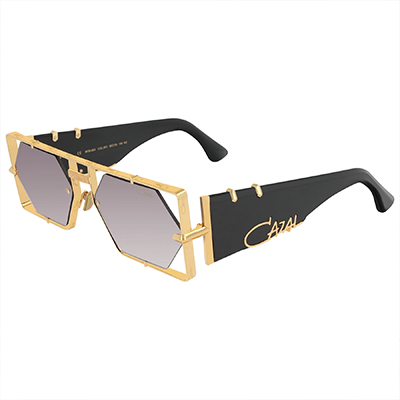
Gold Glitter with Cazal

Cazal, the eyewear brand founded by Carri Zalloni in 1975 in Germany, continues to garner acclaim with its collections that combine dynamism and comfort. This stylish pair of sunglasses from the German brand really dazzles with the gold-toned thin rectangular frame surrounding the hexagonal lenses and the gold-toned Cazal logo on the shiny black thick temples. It looks great.

August 2024

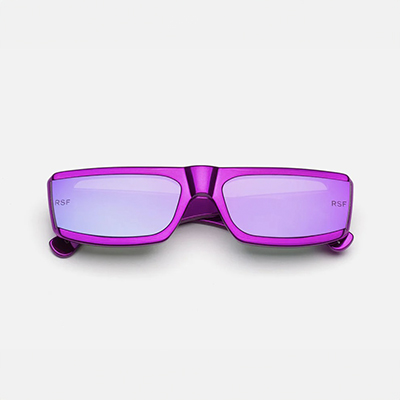
Sporty Lines with Rsf

Founded in Italy in 2007 by Daniel Beckerman, Retrosuperfuture has become very popular with its eclectic collection of colorful acetate sunglasses. With its groundbreaking and contemporary design approach, Retrosuperfuture is a candidate to adorn your wardrobe in every season with these sporty and dynamic sunglasses for both men and women. You should try this cool sunglass model.

August 2024

Vintage Inspiration with Linda Farrow

Linda Farrow pioneered the transformation of the perception of eyewear from functional to a fashion accessory. The brand was relaunched in 2003 by Linda Farrow’s son Simon. Design, fashion and craftsmanship are at the forefront of what Linda Farrow stands for. With the brand’s vintage-inspired, oversized, feminine profile and striking color, you can add elegance to your wardrobe.

August 2024

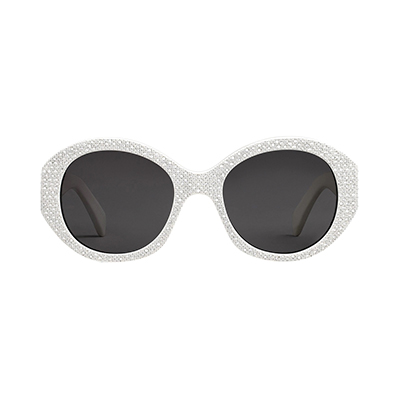
A Timeless Celine

The French luxury fashion house, founded in 1945 by designer Celine Vipiana, is gaining more and more global fans with its glamorous collections. A symbol of elegance, these charming sunglasses by Celine combine the timelessness and clarity of white with an oval and elegant design. The tiny crystals embroidered on the frame of the model are wonderful. You should try this chic model.

August 2024

J.F. Rey x Hideo Kojima

J.F. REY x HIDEO KOJIMA

Eyewear and Game Universe

The J.F. Rey x Hideo Kojima collaboration collection presents Iconics, Carbon Inside and Polarized series, consisting of 7 unique models for optical glasses, sunglasses and glasses that suitable for gaming.

J.F. Rey, founded in France in the nineties by designer Jean François Rey and known for its eyewear that combines stylistic boldness and the pursuit of innovation, has collaborated again with Japanese video game creator Hideo Kojima to present their new collection, J.F. Rey x Hideo Kojima. J.F. Rey and Hideo Kojima are known in their respective fields for their independent spirit and unique creative approach, forming a long-standing creative partnership that reflects their mutual admiration and shared vision of innovation and excellence. In this new collection, they combine their talent and expertise to interpret an avant-garde aesthetic vision with neo-retro influences. With its innovative design and timeless elegance, this collection transcends the boundaries between video games and fashion. This new collection is designed and meticulously handmade by the J.F. Rey design studio under the artistic direction of Hideo Kojima.

Consists of Three Ranges

The J.F. Rey x Hideo Kojima collection includes the Iconics, Carbon Inside and Polarized ranges, consisting of 7 unique models: optical glasses, sunglasses and gaming glasses. These creations combine the futuristic and technological world of Hideo Kojima with the elegance and craftsmanship of J.F. Rey. J.F. Rey x Hideo Kojima reflects the perfectionism for which Hideo Kojima is known, his love of technology and attention to detail that is omnipresent in his work. These unique creations feature Hideo Kojima’s iconic design. They embody the distinctive style and innovation that characterizes the designer, seamlessly combining aesthetics, high-quality materials and ergonomic comfort.

Iconics Range

The Iconics range of the J.F. Rey x Hideo Kojima collection consists of three models, HKxJF04, HKxJF05 and HKxJF10. The design of the optical frames HKxJF04 and HKxJF05 combines sophisticated acetate colors with exceptional titanium and stainless steel components. Elegant and technological, Hideo Kojima’s signature combination of acetate and laser-cut metal creates subtle lighting effects on the front. Designed for fans of the Japanese creator, this special detail is complemented by a Kojima Productions-designed metal insert at the ends. Each temple comes with a quilted titanium Flex designed to naturally adapt to the wearer’s face. The style of the models is based on a simple and contemporary color palette, enhanced by matte, glossy or satin finishes that highlight their sophisticated character. All frames are equipped with 3-IN-1 protective lenses, except HKxJF04 9800 and HKxJF05 0808, which are designed with lenses suitable for gaming. The HKxJF10 stands out for its innovative construction in stainless steel and acetate enriched with the symbolic codes of Hideo Kojima’s universe. In continuation of previous collaborations, the design of the temples is inspired by the Ludens Mask, a collectible from the latest collection. The model debuts with three nylor frames adapted for optical use, sunglasses and gaming. These customized options appeal to all style, technology and video games enthusiasts.

Carbon Inside Range

The Carbon Inside range of the collaboration collection consists of two optical models, HKxJF06 and HKxJF07. These two models are characterized by their unique features. Innovative designs that combine the best aesthetics with high quality materials dazzle in J.F. Rey construction in acetate and carbon fiber. Thanks to the exclusive multi-material technology of J.F. Rey’s Carbon Core collection, the frames offer the best in style, lightness and resistance. These frames combine the elegant and sophisticated aesthetics of carbon with functional excellence. Their grips are equipped with a chromed Flex for added strength and optimal comfort. Hideo Kojima’s artistic universe enhances the design with the Kojima Productions signature on the temples and sophisticated prints such as matte black, blue/black camouflage pattern, marble or granite-effect acetate, perfectly matching the finely textured images of carbon.

Polarized Range

The Polarized line reinterprets the now iconic sun clip frames from the J.F. Rey x Hideo Kojima collections. It consists of two optical models, HKxJF08 and HKxJF09, in acetate distinguished by a Flip-Up aluminum sun clip, available in black or gray depending on the model. The clip is specially designed to fit the frames perfectly and reshape their appearance, making it an original, modern and easy-to-wear accessory. Fully removable and articulated, the clip is equipped with polarized lenses for the most intense glare conditions. The original style of the frames blends retro elements with contemporary design, using stylistic references from Hideo Kojima’s characteristic graphic universe. Hideo Kojima uses eye-catching hues such as stylized forest patterns, camouflage effect and crystal blue. The temples of the frames are signed with Kojima Productions’ unique design, giving each frame a distinctive and singular touch.

August 2024

AI Detects Diseases by Looking at the Eye

DeepMind artificial intelligence (AI) can detect almost 50 different eye diseases by analyzing three-dimensional retinal scan images.

After Google acquired DeepMind, the British artificial intelligence company famous for its AlphaGo algorithm that defeated the world champion in the Go strategy game, in 2014, DeepMind has become able to detect almost 50 different eye diseases by examining three-dimensional retinal scan images. According to an article published in the British journal Nature Medicine, the algorithm, developed using anonymized health data, can detect diseases such as yellow spot and eye diabetes with a success rate close to that of specialist physicians.

It can also inform patients about the treatment methods they should follow and what they need to do urgently. The software primarily aims to facilitate the work of specialist physicians. In this context, when a disease is detected, the findings on the basis of which this decision is made are shared with the physician. The parts of the image that may be related to the disease are even labeled with a prediction percentage. This helps the physician make a more accurate assessment. The examination of three-dimensional retinal scan data can take a long time and patients may experience problems that can lead to temporary vision loss. With artificial intelligence, it may be possible to shorten this time, and especially patients who are thought to have a serious problem may be moved to the front line.

How Deepmind Works?

What is particularly important about the research, according to DeepMind’s Co-Founder Mustafa Suleyman, is that the AI has a level of ‘explainability’ that can increase doctors’ trust in its recommendations. He said, “It is possible for the clinician to interpret what the algorithm is thinking. They can look at the underlying segmentation. In other words, our AI software doesn’t work like a mysterious black box that reveals the results. DeepMind’s AI was trained on a database of about 15,000 eye scans stripped of identifying information. DeepMind worked with clinicians to label areas of disease and then can calculate these labeled images with a percentage score in its system. The two-and-a-half year project required a major investment for DeepMind and involved Moorfields researchers as well as 25 other employees.” Suleyman called the findings a ‘research breakthrough’ and said the next step is to prove that AI works in a clinical setting, which will take several years.

Accelerating Eye Scans

He emphasizes that patients are at risk of losing their eyesight because doctors are unable to attend to eye scans in a timely manner. Mustafa Suleyman says that one of the reasons DeepMind and Moorfields undertook the research project was that clinicians were ‘overwhelmed’ by the demand for eye scans. He said, “If you have a sight-threatening condition, you want to be treated as soon as possible and unlike A&E, a staff nurse will talk to you and make an assessment of how serious your condition is, then use that assessment to decide how quickly you will be seen. When an eye scan is sent, there is no system for prioritizing medical intervention based on the severity of your scan. The fact that eye scans are done through artificial intelligence will speed up the whole process. It’s clear how Deepmind has the potential to transform public hospitals. In the future, we envision a person going to their local high street optician and getting an eye scan, and this algorithm will identify patients with sight-threatening diseases at a very early stage of the condition.”

Not Limited to the Eye

Artificial intelligence’s detection of diseases is not limited to the eye. The algorithm developed by MIT researchers Tuka Alhanai, Muhammad Ghassemi and James Glass can predict whether a person is depressed or not by analyzing their texts and voices. While therapists try to understand a person’s mental state through question and answer methods and observation, artificial intelligence tries to do this by looking at the content the person produces on certain topics. Of course, while the therapist detects depression, the AI only guesses. Snapchat has developed a similar artificial intelligence software. This application can determine how happy people in a selfie are on a scale of 1-5. This kind of software can help identify people who are ‘thought’ to be depressed and take precautions by analyzing their social media posts.

August 2024

Beware of Sand in the Eye

You enjoy sunbathing on the beach and feeling the gentle breeze on your face. However did you know that getting windblown sand and dust in your eyes can cause permanent vision loss?

Eye Health and Diseases Specialist Op. Dr. İlker Biçer said, “One of the most common eye problems during summer holidays is sand in the eye. A wrong intervention or delay in consulting a doctor after sand in the eye can cause eye diseases.”

Conjunctivitis (Eye Inflammation): As a result of sand and dust particles coming into contact with the eye, eye inflammation (conjunctivitis) may occur. Conjunctivitis manifests itself with symptoms such as redness, itching, watering, burning and stinging. An examination by a specialist ophthalmologist is usually sufficient for diagnosis. In treatment, eye drops or ointments are used to reduce inflammation and relieve symptoms. Early diagnosis can prevent the progression of conjunctivitis.

Corneal Abrasion: The cornea is the transparent layer at the front of the eye and can be scratched when sand or dust rubs against its surface. Corneal abrasion causes symptoms such as pain, tenderness, redness, sensitivity to light and blurred vision.

Permanent Vision Loss: When sand or dust particles get into the eye and are not intervened early, undesirable conditions such as impingement under the eyelid and damage to the cornea may occur due to intraocular foreign body. This may result in permanent vision loss.

Ways to Protect Your Eyes from Sand

There are some precautions you can take before the windblown sand and dust gets into your eyes and turns your vacation into a nightmare. Wearing sunglasses on the beach is an effective way to protect your eyes from sand and dust. Wearing a hat or hat-like headgear on the beach can reduce the impact of direct sunlight on the eyes and the risk of foreign objects hitting the eyes. Wearing swimming goggles in windy weather, especially when swimming in shallow waters close to the beach, can also help protect your eye health from sand contact. Never rub your eyes if you get sand in your eyes. Rubbing your eyes can cause sand to scratch your cornea. After sanitizing your hands, you can wash your eyes with tear drops. If the sensitivity persists, you should consult a specialized eye health and diseases specialist before the symptoms worsen.

August 2024

Increase in Eye Infections

Recently, the number of people applying to hospitals has increased due to viruses that can cause eye infections.

Swelling of the eyelids, redness and watering of the eyes… All these are among the symptoms of viruses that cause eye infections, namely adenoviruses. Experts recommend paying attention to hand hygiene, not sharing personal belongings and consulting a doctor immediately when symptoms appear. Ophthalmologist Op. Dr. Gülşah Tezcan, who says that attention should be paid to hand hygiene, said, “This is mostly a very contagious disease. It can be transmitted mostly in collective living places. Children can get this disease especially in kindergartens and schools. In the following period, spots form on the cornea layer, which is the transparent layer of the eye.” Adenoviruses can be transmitted within 1 week and can be observed in all age groups. Experts have warnings to protect against eye infections. Op. Dr. Tezcan said, “It is very important to avoid contact in the disease. Because it is very contagious. After touching our face and eyes, we should definitely wash our hands before touching anywhere. It is also very important not to use make-up materials in common.” When symptoms occur, it is important to consult a doctor to prevent the risk of transmission of the disease.

July 2024

Blindness will be history with AI

Artificial intelligence has cracked the code between the eye and the brain. Artificial intelligence has achieved unprecedented success in decoding the brain.

Artificial intelligence is the science and engineering of making intelligent machines, especially intelligent computer programs. While the use of computers and artificial intelligence-based tools is increasing in all areas of life, it is a natural process for this use to become widespread in the field of medicine. The aim of medical artificial intelligence is to create artificial intelligence programs that can make recommendations in the diagnosis and treatment of diseases. Artificial intelligence developed in Switzerland can translate neural signals sent from the eyes to the brain into images. The technology could make blindness a thing of the past in the future. Artificial intelligence has decrypted the communication between the eyes and the brain. Artificial intelligence has achieved unprecedented success in decoding the brain. Cebra, an artificial intelligence developed in Geneva, Switzerland, can translate the neural signals sent from the eyes to the brain into images. Scientists converted the electrical signals in the brain of a mouse, which they showed a black and white movie, into an image with artificial intelligence. With data obtained only from brain scans, the movie the mouse watched was reproduced with 95% accuracy. Two different techniques are used to map brain activity in mice. The results of the research were published in the journal Nature. Experts aim to adapt the technology to the human brain. In this way, it will be possible to produce bionic eyes for the visually impaired in the future.


July 2024