All Patients Started to See

Swedish scientists have announced that they have found an alternative treatment for “corneal sharpening”, a condition that causes vision loss.

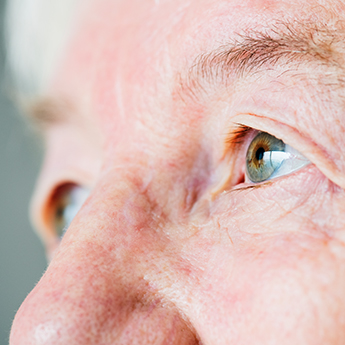
Experimental treatment for corneal sharpening! Swedish scientists have announced that they have developed a revolutionary method for the treatment of corneal sharpening disease that causes vision loss. The disease, which is normally treated with corneal implants, can be treated with a protein obtained from animals. The research team announced that they treated corneal sharpening, medically known as keratoconus, with a substance produced from pig skin. With the new system, collagen taken from pig skin is turned into a special gel. The implant produced with 3D printers using this gel is placed in the eyes of patients. This prevents the thinning cornea from tearing. Scientists emphasize that the special substance developed does not trigger the immune system.

All Patients Started to See Again
Researchers says, “Normal treatment uses cornea from a donor, but there was always a risk that the body would reject it. Now we are making treatment possible by using a substance that the food industry normally throws away. In this way, all patients can see again thanks to the treatment.” During the application, not all patients who use the implant can regain their vision and recover at the same speed. While the treatment is more successful and gives faster results in some patients, the treatment may progress more slowly in others. However, all patients who receive treatment start to see much better than before over time. Corneal thinning, which is common, usually starts in adolescence. The disease, which is caused by the sharpening of the cornea, the transparent layer of the eye, can lead to vision loss. The treatment developed in Sweden is expected to be widely applied worldwide within 3-4 years.

July 2023

Solution to Dry Eye: Light Mask

Dry eye diseases can now be treated with light masks that apply short bursts of concentrated light and then last for 10-15 minutes.

In the treatment of dry eye diseases affecting many people in Turkey as well as in the world, a new method has come into play other than classical methods such as artificial tears. Ophthalmologist Op. Dr. Umut Altuner stated that with this new method IPL (intens pulse light) treatment, the heat and antioxidant effect of light is utilized. For 15 minutes, a light mask is applied to the eye and the eye’s own tear production system is enabled to work more properly, Altuner said: “Some eye, lid and immunological diseases disrupt the structure of tears and cause dry eye disease. In addition, closed office environments and looking at the screen for a long time increase the evaporation of tears and contribute to the deterioration of tears. Dry eye disease can manifest itself with many disturbing complaints such as burning, stinging, light sensitivity, feeling of fatigue, and discomfort when using vehicles with screens.”

Tear Production Improves
Stating that treatment options may vary according to the severity and cause of the disease, Op. Dr. Altuner said about the new treatment: “IPL and mask treatment stands out as a new treatment option used in the treatment of chronic blepharitis patients and dry eye patients caused by it. In this treatment, the heat effect and antioxidant effect of light are utilized. With the heat effect, the channels of the sebaceous glands are opened and their fluidity is increased, while the oily layer, the most important layer of the tear, is reconstituted. In this way, the eye’s own Tear Production system works more smoothly. Short-term concentrated light pulses are applied to the eye contour and lids at 5 consecutive points. Meanwhile, the eye is protected with special glasses. Afterwards, the treatment is continued with light masks lasting 10-15 minutes.”

July 2023

Sinusitis can Make You Blind

The eyes and brain are located around the sinus cavities. Therefore, when sinus infection spreads to the environment, it can lead to inflammation of the facial bones called osteitis, and when it spreads to the eye, it can lead to blindness.

The bone cavities in the bones around the nose are called sinuses. Inflammation of these cavities is called sinusitis. The maxillary sinus is the sinus located in the upper jaw bone on the sides of the nose and is the largest of the sinuses. When these small holes of the sinuses opening into the nose are blocked for any reason, infection and related disease findings occur in the sinuses. The cause of this blockage can be a simple prolonged upper respiratory tract infection, nasal allergies, bone or cartilage curvatures in the nose, or even flesh growths in the nose. Since the sinuses are of different sizes in each person, they have a role in the formation of the type of voice, as well as in reducing the weight of the head since they are filled with air. Their most important function is to heat and humidify the inhaled air and to clean and expel particles and harmful organisms in the air by secreting a certain amount of secretions every day.
Otorhinolaryngology, Head and Neck Surgery Specialist Opr. Dr. Özcan Acuner warned about sinusitis and stated that especially not staying in the cold and not keeping the hair wet is one of the main ways of protection. Pointing out that the first and most common complication of sinusitis is the spread of inflammation into the eye socket and can lead to blindness, Dr. Acuner stated that it is possible to prevent the disease with the measures to be taken.
Symptoms of Sinusitis
Dr. Acuner, who warned about the symptoms of sinusitis, continued his words as follows: “Sinusitis is generally divided into acute and chronic. Acute sinusitis means newly formed sinusitis. It heals completely when treated appropriately. However, chronic sinusitis means a continuous inflammation in the sinuses and is difficult to treat. Symptoms of acute and chronic sinusitis are different from each other. One of the most disturbing complaints in acute sinusitis is pain. Depending on which sinus is inflamed, this can be in the form of headache, facial pain or pain around the eyes. The pain usually increases with leaning forward. This pain increases by pressing or hitting the area on the face that fits the sinus. The most common symptoms of sinusitis:

  • Nasal congestion,
  • Runny nose,
  • Decreased sense of smell,
  • Nasal discharge,
  • Fire,
  • Pain in the jaw and teeth,
  • Bad breath,
  • Nosebleeds,
  • Facial swelling,
  • Bruising under the eyes

Swelling of the face and bruising under the eyes are more common in children. Cough is a symptom of both acute and chronic sinusitis. In chronic sinusitis, complaints are milder, although they last longer. Pain is less frequent and sometimes even absent. The patient is mostly bothered by nasal discharge and associated sore throat and cough. Apart from this, nasal congestion, a feeling of fullness in the face and bad breath are also experienced. Patients with chronic sinusitis can sometimes experience acute periods that can occur in attacks.
Danger up to Blindness
Pointing out that the spread of inflammation into the eye socket can cause blindness, Dr. Acuner said, “The first and most common complication of sinusitis is the spread of inflammation into the eye socket and diseases that can lead to blindness. In such a case, pain is felt in the eye. There may be outward swelling and bruising around the eye. More rare complications include the spread of inflammation into the meninges or the brain, abscess formation, abscesses in the sinus and bone inflammation. In such cases, treatment must be more serious and requires surgery along with medication. There are a few things that patients can pay attention to in order not to get sinusitis or to be treated easily if they do. For this, measures such as not staying in the cold, not keeping the hair wet, keeping the humidity and temperature of the environment they live in appropriate, not staying even in the smoke of cigarettes, staying away from dust, smoke or other irritants that can cause allergies can be taken. In the event that viral infections of the upper respiratory tract such as colds or flu last longer, more serious treatments can prevent the disease from prolonging and turning into a sinus infection.”

June 2023

Cortisone Drops May Predispose to Cataracts

Uncontrolled use of cortisone-containing drops is one of the reasons that pave the way for the formation of cataracts, which are thought to occur especially with age.

Ophthalmologist Assoc. Prof. Dr. Esra Ayhan Tuzcu said that especially people with rheumatic diseases or those who use systemic cortisone due to allergies should pay attention to cataracts. Assoc. Prof. Dr. Esra Ayhan Tuzcu warned against the risk that cataracts may develop at an early age in these patients. Assoc. Prof. Dr. Esra Ayhan Tuzcu stated, “The normally transparent natural eye lens loses its transparency and takes on an opaque-whitish appearance is called cataract. When the lens becomes cloudy and opaque, the image reaching the retina becomes blurred and vision is affected. Cataracts are one of the most important causes of treatable vision loss. Cataract-related symptoms develop slowly and they are painless. It is often first diagnosed during a routine eye examination. The most common symptoms of cataracts are painless blurred vision, discomfort from light and pale or yellow colors. In most age-related cataracts, the disease can take years to progress. It is not possible to predict how rapidly cataracts will progress in individuals.”
90 Percent of Patients are Over 60 Years of Age
Pointing out that the disease can progress rapidly in young and diabetic patients, Assoc. Prof. Dr. Esra Ayhan Tuzcu said that the disease progresses slowly under normal conditions. She stated that cataract patients who experience problems such as decreased sharp vision, seeing colors more dull, see the world pale and blurred. Assoc. Prof. Dr. Tuzcu continued with the following statements: “The progression of cataract in young people and diabetics may take a short time. The progression of cataract in diabetes is related to blood sugar. Cataracts develop faster in patients with irregular blood sugar levels. The most common cause of cataract in young people is trauma to the eye. Cataract usually progresses rapidly after trauma. Cataract is usually a disease of old age. 90 percent of patients are over the age of 60.  However, cataracts can be seen in any age group. For example, a type of cataract called congenital cataract can be seen in newborn babies, but cataracts can also be seen in children, young people and middle-aged people. People under 50 years of age should look for an underlying cause for cataracts. Such cataracts may be hereditary or associated with metabolic disorders such as diabetes, trauma, previous eye surgery or intraocular injection, radiation exposure, prolonged exposure to sunlight without protection or use of cortisone and similar drugs.”
No Treatment with Medication, Solution is Surgical Methods
There is no medicine or diet that cures or prevents cataracts. Vitamin D does not prevent cataracts. Using sunglasses to protect against ultraviolet rays can slow the development of cataracts. The only method of cataract treatment is surgical intervention. In over 95 percent of patients without cornea, retina or optic nerve problems, cataract surgery can improve vision. When cataract symptoms do not bother the patient and vision levels are at reasonable levels, intervention may not be necessary or can be waited for a while. Cataract surgery is a day surgery procedure and patients can often be discharged on the same day and return to their daily activities in a short time. Patients use drops in decreasing doses for 1 month after surgery. For 1 week after the surgery, the eye should not be touched with water, should not be rubbed by pressing on the operated eye and should not be slept on that eye. The patient should not swim in the pool and sea for 1 month after the surgery. When we use a monofocal lens, which we use routinely, the patient needs glasses for near vision after surgery.

June 2023

Protective Goggles Worn in Sport Aktivities

Protective goggles are a special type of eyewear designed to protect the eyes and improve the performance of sports activities. They offer eye protection, contrast enhancement, anti-glare, comfort and clear vision.

Until recently, protective goggles was only used by athletes. Today, sports goggles can be seen on almost everyone who holds a ball or a racket in their hands, whether they are professional or amateur athletes. Many eye injuries are observed in our country every year. Some of these injuries occur in sports accidents. Sports accidents can occur in the form of ball collisions, as well as finger and elbow collisions in sports such as football and basketball that involve close contact. Even during swimming, eye injuries can occur due to collisions.
Protective goggles used during sports can protect your eyes from external factors and improve your performance. The benefits of protective eyewear include eye protection, contrast enhancement, anti-glare, comfort and clear vision. Sports goggles protect your eyes from sunlight, wind, dust and other harmful substances. At the same time, it enhances contrast, providing a clearer and sharper image. This helps athletes see their targets better and move more accurately. The sports goggles are equipped with anti-glare coatings. This ensures that athletes have as clear a view as possible, even when moving in bright sunlight. Made of lightweight and flexible materials, sports goggles allow athletes to wear them for a long time. They are designed to enhance athletes’ performance and offer high comfort and clearer vision.
Sports goggles are widely used to avoid exposure to the sun’s harmful UV rays, especially when practicing outdoor sports. There are also goggles specially designed for certain sports. For example, waterproof and anti-fogging goggles are preferred for sports such as swimming, diving and skiing, while lightweight and flexible framed goggles are preferred for sports such as cycling, running and tennis.
Googles is recommended for basketball, cycling, rally, golf, motor sports, running, tennis and winter sports. Googles used in sports are used for various purposes:

  • Sun protection and comfort in outdoor sports
  • Seeing the ball more clearly
  • Eye injury prevention

Protective sports goggles use “polycarbonate lens” as the lens. The polycarbonate lens is an impact-resistant material and also includes an anti-scratch coating and an ultraviolet filter. The frame style varies according to the type of sport, but more durable materials than usual are chosen for the frame material.

June 2023

Beware if You Wake Up with Swollen Eyes!

During sleep, edema accumulation can occur in the eyelids the most in the body. When we wake up, we may feel swelling in our eyes. Complaints such as this swelling, which decreases later in the day, may be a sign of hidden heart disease.

Most symptoms in our eyes give us signs about other diseases in our body. Delay in the diagnosis of diseases such as diabetes, hypertension, heart disease can cause permanent damage to our eyes if not intervened in time, as it causes the disease to progress. This can result in reduced vision and even permanent vision loss. We should not forget the importance of early diagnosis in order to prevent many diseases from diabetes to hypertension, from vascular changes to clotting.

May be a Harbinger of Hidden Heart Disease
Morning puffiness of the eyes can be a symptom of heart disease. During sleep, our head is at the level of the heart. During sleep, the most edema accumulation in the body can occur in the eyelids. When we wake up, we may feel swelling in our eyes. Complaints such as this swelling, which decreases later in the day, may be warnings of hidden heart disease.

Dıabetes can be Dıagnosed During Eye Examination
Diabetes, which can cause significant and permanent damage to the eyes, can be diagnosed early with an ophthalmologic examination. Small vessel blockages due to diabetes and hypertension can also cause complaints such as double vision. The main cause of heart diseases is the development of arteriosclerosis. This arteriosclerosis can occur in all vessels in our body. Stiffness in the eye vessels or clot formation in the eye vessels can cause temporary visual disturbances. Disorders in the heart rhythm can also lead to consequences such as clots in the eye vessels. It is recommended that people with temporary vision loss undergo a check-up due to the risk of cardiovascular diseases and heart rhythm disorders. Whitish ring formation around the iris can be seen in the eye, especially in congenital cholesterol elevations. It is important for people in this group to have their cholesterol levels monitored in terms of the risk of heart attack and to be followed up by a specialist doctor in terms of heart health.

June 2023

Orthokeratology for Children

Orthokeratology is also used as a treatment to slow the progression of myopia (nearsightedness) in children.

Orthokeratology treatment aims to flatten the center of the cornea, change the way light refracts as it enters the eye and reach the retinal layer. Emphasizing that the lenses must be worn regularly for successful treatment, Ophthalmologist Op. Dr. Yusuf Avni Yılmaz said, “Most orthokeratology lenses are worn overnight to flatten the cornea, then removed during the day. These overnight lenses are hard, gas permeable lenses that allow oxygen to pass through to keep the eye healthy while being strong enough to reshape the cornea. If you stop wearing the lenses at night, the eyes return to their original shape after a period of time and the visual impairment may progress more quickly. Regular use of lenses is very important for the slowing down process.”

Hygiene is important in lens use
The risks of using these lenses are similar to those of other contact lenses. However, since they are usually children undergoing Orthokeratology treatment, they may not be as careful about hygiene as adults. Therefore, the attention of families becomes much more important in this case.

Young myopia patients who are active in sports get good results
Those who are involved in various sports branches know that wearing glasses while playing sports can be a problem. The movements made during sports make it difficult for the glasses to stay on the face and can cause them to slip off. For this reason, Orthokeratology treatment is a form of treatment recommended for young people who play sports. Op. Dr. Yusuf Avni Yılmaz said that thanks to this treatment, the performance of young people who do sports is higher and the reluctance they experienced before has disappeared.

However, stating that some eye structures are not suitable for orthokeratology treatment, Op. Dr. Yusuf Avni Yılmaz said, “Unfortunately, this treatment method is not suitable for individuals with unruly astigmatism, permanent astigmatism, large pupil, low lid, very flat cornea, pathological dry eye syndrome.”

May 2023

Eye Disorders May be a Harbinger of 5 Serious Diseases

They say the eyes are the mirror of the soul. However, did you know that your eyes are the harbingers of many diseases that you are not aware of?

are not aware of?
If you experience problems such as burning, redness or yellowing in your eyes, you may think that the problem is with your eyes. However, experts argue that you can detect the first signals of some diseases in the eyes.

Dr. Rachel Ward says that some of the symptoms that appear in your eyes may be a sign of 5 serious conditions:

White or yellow swelling
If you have white or yellow bumps on your eyelids or around your nose, you may have high cholesterol. If you have these symptoms, you may want to check your cholesterol.

Yellow eyes
If the whites of your eyes turn yellow, you may have high levels of bilirubin in your blood. Yellow eyes can be a sign of jaundice, but can also indicate a liver infection, gallstones or cancer.

Light colored eye veins
When you pull down your lower eyelid, you should see a red or pink vein. If your blood values are low, you may be suffering from anemia. Anemia, which is more common in women than in men, is caused by iron deficiency.

Impaired vision
If you find that some parts of your vision are missing, you may be at risk of a stroke. The part of your brain involved in vision will be affected during a stroke.

Bulging eye
Eyes that look like they are popping out may be a sign of an overactive thyroid. One in 3 people with overactive thyroid glands experience eye problems.

Mayıs 2023

Spring is Here, Eye Allergies Increased

With the seasonal changes, complaints of dry eyes and allergies have started to increase due to weather conditions.

Allergic conditions that occur with the arrival of spring should not be taken lightly; because eye allergies can be seasonal or temporary, and if not treated in time, they can bring the risk of blindness. Assoc. Dr. Abdullah Özkaya from Memorial Şişli Hospital Eye Center made suggestions about eye allergies and their treatments.

Is it Really Allergic?
Eye allergy, which is a very common complaint, or allergic conjunctivitis with its medical name, is the reaction of the eyes to something that irritates them, namely an allergen. Eye allergies develop when the body’s immune system becomes sensitized and overreacts to something in the environment that usually does not cause problems for most people. Unlike other types of conjunctivitis, eye allergies do not spread from person to person. Because eye allergies share symptoms with other eye diseases, it is important to make the correct diagnosis. For example, eye allergies and eye infections are different conditions with similar symptoms but different medical causes. If the eyes are red and irritated and no foreign objects are visible on the eye, this may be due to an allergy. Ophthalmologists, i.e. ophthalmologists, use a special lamp eye microscope to detect swollen blood vessels on the surface of the eye in order to understand which is the problem and to differentiate between infection and allergy.

Apply ice compress
Stating that eye allergy is a disease that occurs with symptoms such as redness, watering, burning, rarely stinging and itching in the eyes as a result of the mixing of tree and plant pollen into the air starting in March and April, Assoc. Prof. Dr. Abdullah Özkaya said, “In case of eyelid swelling during the allergy period, wrapping ice in a clean towel and applying it to the eye in the morning reduces eye redness and edema in the eyelid.”

Use water-based paint in your home
Stating that since the dusting of flowers increases during these months, those who feel uncomfortable with the existing flowers in the house should take their flowers to their balconies if possible or ventilate the room to reduce contact, Özkaya said, “Allergy is not only in flowers, it can also be caused by other substances that grow in humid environments such as fungi. If the walls of the house are painted with synthetic paint, after a while the walls start to stop breathing. If the house is damp and there are blisters and color changes in the paint, it also affects the air inside and increases allergies. I recommend that allergic people use breathable, water-based paints for their house paints.”

Advice for lens wearers
Stating that people who use contact lenses are more prone to allergies in spring, Assoc. Prof. Dr. Abdullah Özkaya said, “There are different solutions for lens wearers. For example, it is possible to make allergic periods comfortable by applying drops before wearing the lens in the morning and after the lens is removed in the evening.”

There may be a risk of blindness
Stating that allergic conjunctivitis is defined as a non-microbial inflammation of the membrane called conjunctiva, which surrounds the inside of the eyelids and the white part of the eye, due to allergies, Assoc. Prof. Dr. Abdullah Özkaya talked about its effect on children as follows, “Although classical allergic conjunctivitis is very common in children, a special type of allergy called vernal allergic conjunctivitis can be seen from the age of 5-6. This condition requires more intensive follow-up and stricter treatment. Because when the treatment progresses, it can progress to vision loss. Eye allergies in children need to be handled carefully. In cases of intense redness and watery eyes, we add cortisone medications on the 5th to 10th day of treatment in addition to standard allergy medications. Our cortisone medications should be used under the supervision of a doctor to provide rapid relief to our patients.”

Always consult an ophthalmologist
Stating that an ophthalmologist should definitely be consulted for the correct diagnosis, Assoc. Prof. Dr. Abdullah Özkaya said, “Eye allergy treatment needs to be planned and followed individually. For this reason, it is necessary not to use the existing eye drops at home that you have used before without consulting a doctor again in this season because they are good. It is important for people with allergic reactions to consult an ophthalmologist. When the patients arrive, we examine them, diagnose them, treat them with appropriate medications and ensure that they spend this season more comfortably and under control.”

May 2023

How Does a Stye Heal?

A stye is an inflamed and painful swelling that occurs around the eyelid. So, how does a stye heal? What are the symptoms of stye?

Styes develop as a result of infection of the sebaceous glands in the eyelid or the eyelash root. The infection is usually caused by staphylococcal bacteria. This infection can develop when unclean hands are brought to the eye area, or when hygiene is not observed when using contact lenses or cosmetic products. It is a common eye infection and can occur at any age. Stye may recur several times during a person’s life.

What are the types of stye?
Stye types; It is divided into two as internal and external stye. Internal ones occur on the upper part of the lid and external ones occur at the base of the eyelash. External styes, which are much more common than internal styes, usually start in the eyelash follicle, sometimes in a sebaceous gland. Most internal styes start in a sebaceous (meibomian) gland in the eyelid tissue. They tend to be more painful than external styes, straining the eye as they grow.

What are the symptoms of a stye?
A stye is an infection with very characteristic symptoms. It is characterized by a red, pimple-like, painful swelling on the eyelid. It causes pain, swelling and watery eyes around the eye and eyelid. There may be a white spot in the center of the bump that looks like pus, and it can also cause swelling of the entire eyelid. A stye usually affects only one eye. However, it is also possible to have more than one stye in one eye at the same time. Styes are one of the most common eye infections. It can sometimes be confused with other infections that have similar symptoms but do not cause as much pain as styes. Chalazion, which appears as a redness and lump on the eyelid, is one of these. A chalazion usually appears as a lump that does not cause pain. It is firm when pressed. It is caused by blockage of the sebaceous glands at the base of the eyelashes and, unlike stye, usually develops on the inside of the eyelid. Although chalazion and stye have different causes, they are usually treated in a similar way. Other common eye infections are blepharitis and conjunctivitis. Blepharitis or conjunctivitis should be suspected if there is redness in the eye, but no pus-filled swelling and watery eyes. Blepharitis is a condition that occurs at the base of the eyelashes. Conjunctivitis is an eye infection that can be bacterial or viral.

How is a stye treated?
Stye is a common infection and most of the time it disappears on its own. When you feel a stye coming out or notice swelling in the area, compressing the area with a warm and damp cloth can speed up the healing process and reduce sensitivity and pain in the area. It is sufficient to apply this compress for 5-10 minutes several times a day as long as the stye persists. Painkillers can also be used to relieve pain. However, if the stye does not improve within 48 hours, if the redness and swelling spreads to the entire eyelid and cheek area, or if vision is impaired, it is worth seeing a doctor. In such cases, antibiotics may be prescribed or surgery may be performed to drain the pus from the stye. When a stye develops, it is important to avoid putting your hands to your eyes and to stop wearing contact lenses. The bump may look like a pimple, but it should not be squeezed thinking that it will heal easily. Because it may cause the infection to spread.

The following methods can be applied to heal the stye faster and prevent the infection from spreading:

  • After washing your hands, press a clean towel or cloth into warm water and compress it on the stye for 5-10 minutes.
  • Then run your finger over the stye and gently massage it to open the blocked canal.
  • When the stye comes out, keep your hands, face and eye area clean. Remove burrs from the eyes.
  • Repeat the warm compress several times during the day, each time with a clean cloth.

How long does it take for a stye to heal?
Even if the stye goes away on its own, it is more likely to remain in the form of a chalazion. Although the stye is self-limiting, the risk of cyst formation increases when left untreated. The average infection state of the stye lasts about a week. With treatment, the signs of infection improve in a week. The earlier treatment is started for a stye, the greater the chance of healing without scarring and the lower the risk of chalazion.

Is stye contagious?
One of the most curious issues about this disease is whether it is contagious or not. However, it is possible to say that stye disease is not contagious in any way. Because it is a self-limiting form of infection. In other words, it only enlarges itself significantly in terms of the area where it is located. Apart from that, it does not infect other parts of the body or infect any person in different ways. Stye disease is not transmitted to another person in any way. In other words, even if many different methods are handled together with contact or airway, it is not a disease that is transmitted to anyone else in any way.

What happens if stye is not treated?
If the stye is left untreated, the possibility of chalazion increases. In very rare cases, trying to squeeze out the stye and doing the wrong things to the eye can lead to excessive swelling of the eyelid (preseptal cellulitis). This is especially risky in children. Because infections in the facial area of children can spread to the brain. For this reason, inflammation of the eyelids should be taken very seriously.

Factors that increase the risk of stye
Inadequate lid hygiene: Children in particular do not wash their hands and face and do not sterilize the base of their eyelashes well
Presence of diseases such as biliopharyngitis: Presence of other valve diseases that cause styes, such as biliopharyngitis
Contact lens hygiene: Contact lens wearers putting in and taking out their lenses without disinfecting them thoroughly or washing their hands first
Sleeping without removing makeup: Leaving eye makeup on overnight without removing it
Skin disorders: Having rosacea, a skin condition characterized by facial redness

What can be done to prevent styes?

  • Hygiene should be ensured by washing hands with soap and warm water. Especially before children go to sleep, the base of the eyelashes should be washed with baby shampoo.
  • Hands should be kept away from the eyes and eyes should not be rubbed.
  • Care should be taken with cosmetic products and the risk of eye infection should be reduced by throwing away old cosmetic products.
  • Cosmetic products should not be shared with others and make-up should not be worn at night. Because make-up products cause blockage of the tear glands.
  • Cosmetic products that cause allergies should not be preferred.
  • Make sure that contact lenses are clean. Contact lens wearers should wash their hands thoroughly before touching the lenses and follow the doctor’s recommendations to disinfect them.
  • If you have had styes before, regular hot compresses can help prevent them from coming back.
  • People with blepharitis should follow their doctor’s instructions for eye care and make it a habit to regularly remove dandruff from the base of the eyelashes.

Prof. Dr. Murat Hasanreisoğlu

May 2023