








Smart Glasses Evolution Advances
Ray-Ban & Meta Partnership
Ray-Ban is transforming its legendary legacy into wearable computers with Meta. The strengthening partnership is set to replace smartphones with its next generation products.
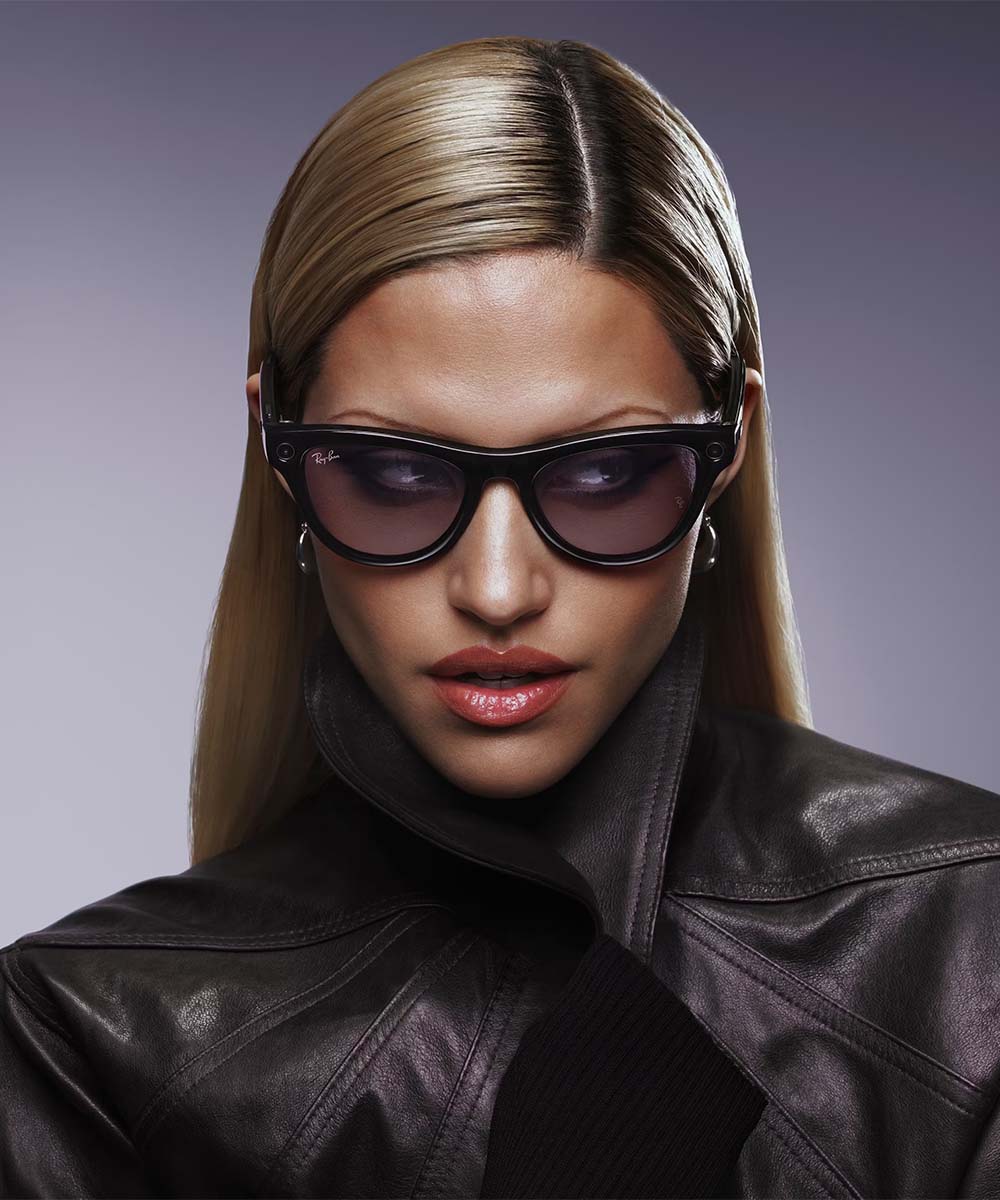
Smart glasses are no longer just futuristic concepts showcased at tech fairs or imagined in science fiction films. They have become one of the most promising branches of wearable technology, merging style and function in a way that directly appeals to consumers. Over the last decade, these devices have moved beyond the experimental stage and into everyday life, allowing users to listen to music, take photos, make calls, and stay seamlessly connected to the digital world. With microphones, speakers, and cameras integrated into everyday eyewear designs, smart glasses have started to redefine how we interact with technology. Today, this evolution has reached an incredible pace, particularly thanks to the strong collaboration between Ray-Ban and Meta.
Major Partnership Begins
The partnership between Ray-Ban’s parent company EssilorLuxottica and Meta began in 2019. At that time Meta was still known as Facebook Inc. and the agreement was planned as a long term venture. The goal was to unite Ray-Ban’s iconic eyewear legacy with Meta’s technological vision. In 2021, Facebook Inc., which housed Facebook, Instagram, and WhatsApp under one umbrella, rebranded itself as Meta. This transformation symbolized the company’s shift of focus toward immersive technologies as well as its ambition to promote the vision of the metaverse. For EssilorLuxottica, the partnership offered a chance to keep eyewear at the center of importance in a world where devices were becoming increasingly smart. The collaboration was especially significant because earlier attempts, such as Google Glass, had faced consumer resistance due to technology driven designs that lacked aesthetic appeal. In contrast, the Ray-Ban and Meta partnership emphasized equal attention to style and usability.
First Smart Ray-Ban
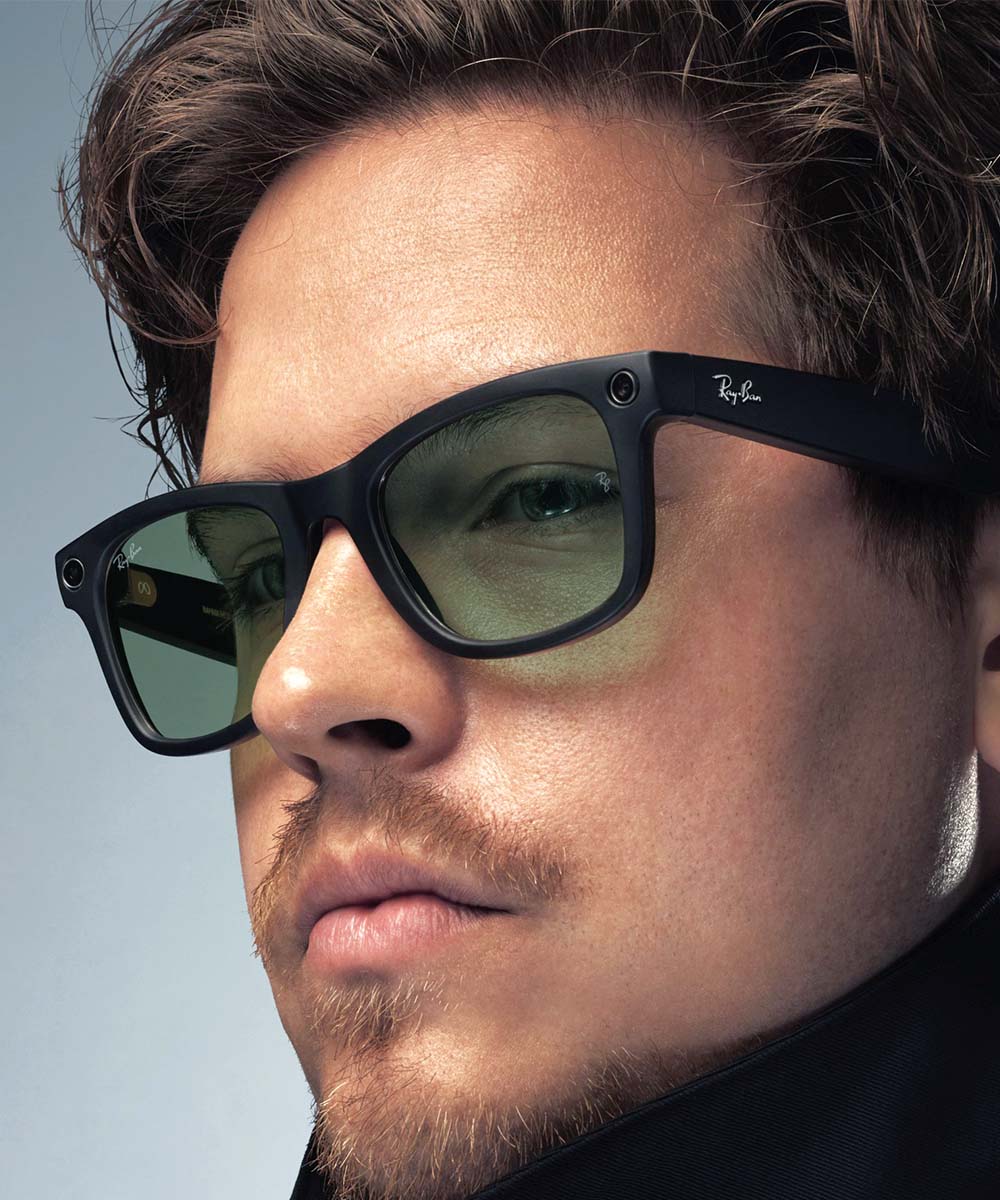
The first condition for smart glasses to become mainstream was adopting a form factor people already loved to wear. The first tangible result of the partnership was Ray-Ban Stories, launched in 2021. These glasses were not fully fledged augmented reality devices but rather multimedia focused smart glasses. Users could take photos and videos, listen to music, and make calls through integrated microphones and speakers. With touch controls on the temples, the experience became intuitive. While critics debated whether Ray-Ban Stories fully lived up to expectations, the model proved that wearable technology could coexist with iconic design. The partnership’s choice to prioritize glasses that looked like Ray-Ban eyewear rather than technology devices helped consumers accept the product more easily. The balance between design and function in Ray-Ban Stories set the direction for future generations.


Second Generation: Ray-Ban | Meta
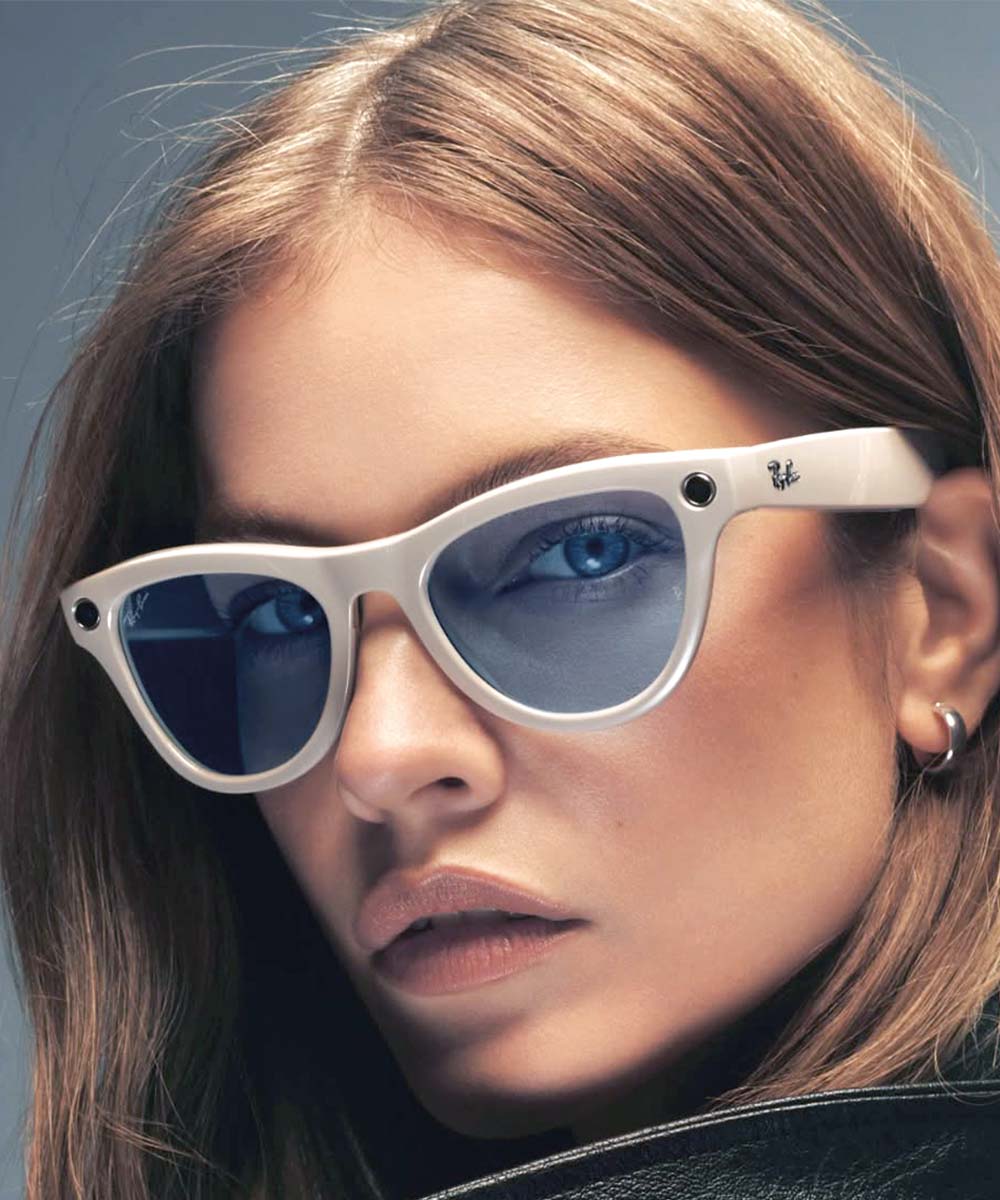
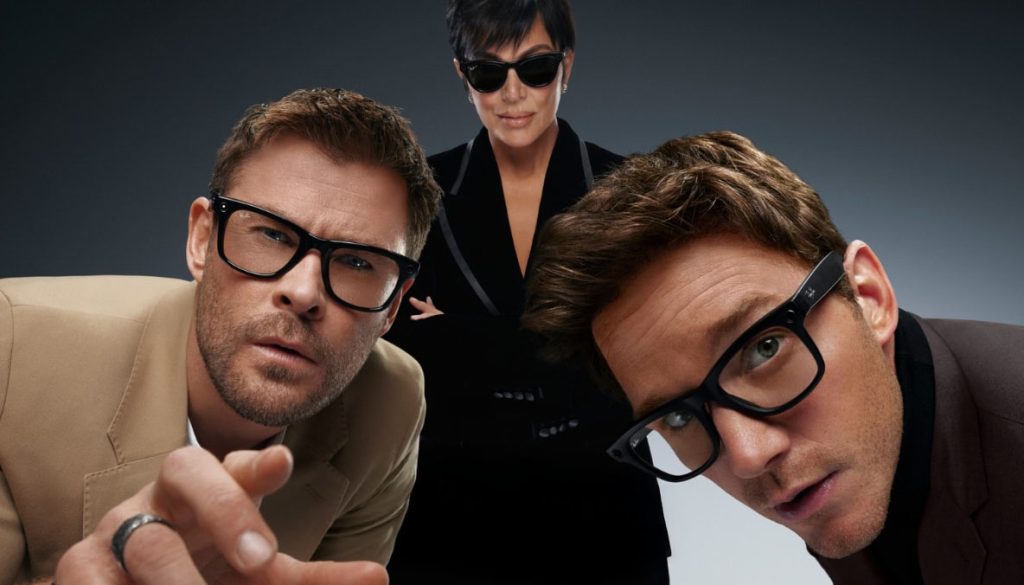
The powerful partnership advanced in 2023 with the launch of the Ray-Ban | Meta collection. This second generation introduced stronger audio, sharper video quality, and features such as livestreaming that deepened integration with the Meta ecosystem. The most remarkable innovation was the addition of Meta AI. By simply saying “Hey Meta,” users could interact with an assistant that provided contextual information and real time responses. These developments shifted the glasses from being just recording tools into companions for everyday tasks. The collection also expanded in design options. Compared to rivals, the key distinction of the partnership was not producing technology products that looked like glasses, but rather delivering glasses that remained timeless in design while being smart at the core. By September 2024 the partnership was reinforced with a new long term agreement. This step underlined the critical role of smart glasses in Meta’s roadmap for immersive technologies. The focus was not just on creating new devices but on reshaping the future of human computer interaction through wearable technologies. The extended agreement perfectly reflected the shared vision of both companies: making smart glasses as globally widespread as smartphones.
Constantly Enhanced Features
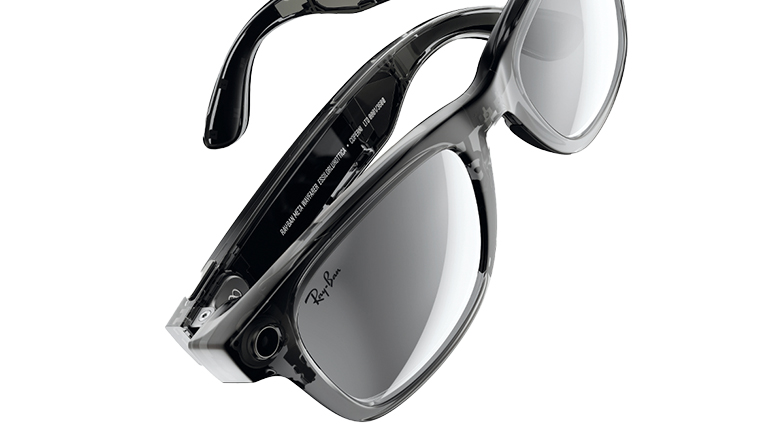
In recent years the Ray-Ban | Meta collection, which has been evolving since 2021, has gained striking new features. One highlight was the launch of the special limited edition Ray-Ban | Meta Wayfarer. Designed for tech enthusiasts and fans of Ray-Ban’s iconic style, this edition merged Meta’s meticulous high tech engineering and craftsmanship with the innovative spirit of Ray-Ban, offering a unique perspective on the development of smart glasses. Equipped with a high quality 12MP camera, it provided users with an advanced photo and video experience. Open ear speakers allowed them to listen to favorite podcasts, books, or albums. Voice controls enabled users to search and explore on Spotify and Amazon Music. The new Ray-Ban | Meta Wayfarer was introduced in a fully transparent frame paired with sapphire toned Transitions® GEN STM lenses. In March 2025 another release followed with the Ray-Ban | Meta x Coperni Wayfarer. In July 2025, the collaboration entered a new phase, and Meta became a 3% shareholder in EssilorLuxottica through a substantial investment. Through these initiatives Meta secured design based credibility and consumer acceptance for wearable computers, while Ray-Ban guaranteed that its legendary heritage would endure in the new era where computers are worn as glasses.
Are Smartphones Becoming History?
Today the question is no longer whether wearable smart glasses will develop but rather how quickly they will become mainstream. Smartphones may still dominate for now, yet the seeds of transformation into wearable computers have already been planted through the Ray-Ban and Meta partnership. So much so that Meta’s founder and Ceo Mark Zuckerberg stated that within just five years holographic teleportation could be possible through smart glasses. His prediction may sound ambitious, even unbelievable, but for the global optical industry it represents both a challenge and an opportunity. Traditional eyewear is no longer only an accessory to improve vision or express style. It is evolving into a brand new everyday object that opens the door to the digital world and can be used by everyone.
September 2025