







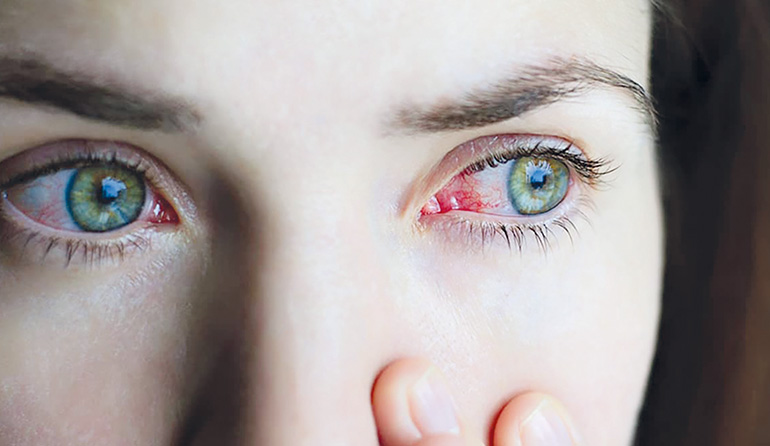
Eye Allergies Can Lead to Vision Loss
If left untreated, allergic conjunctivitis may lead to inflammation, corneal deformation, and even vision loss due to continuous rubbing of itchy and watery eyes.
Seasonal changes and the arrival of autumn often bring along various problems such as sneezing, runny nose, and triggered allergies. Allergies that also affect the eyes can cause symptoms like itching, tearing, burning, stinging, and discharge. As one of the organs most exposed to the environment, our eyes can be significantly impacted by these conditions. Allergic conjunctivitis is the most common allergic eye disease, frequently seen in children, young people, and men. A large number of diagnosed patients also suffer from asthma and other allergic disorders. If left untreated, conjunctivitis may lead to vision loss in the long term due to frequent eye rubbing and damage to the cornea.
Contact Lens Users, Mind Your Hygiene!
Sunlight plays a major role in many eye-related conditions. To protect against problems such as conjunctivitis caused by ultraviolet (UV) rays, it’s important to wear sunglasses with UV protection. Improper use of contact lenses is also one of the factors that increase the risk of allergic reactions. Pollen and microbes that adhere to the lens surface can lead to serious issues ranging from allergies to infections. Therefore, especially during periods of intense weather changes, contact lens users should be extra careful about lens cleaning and hygiene.
Don’t Rub Your Eyes
The most common symptoms of allergic conjunctivitis include excessive tearing, itching, discharge, redness, and crusting or stickiness of the eyelashes upon waking in the morning. If not treated in time, constant eye rubbing may deform the cornea and lead to a condition known as keratoconus. For this reason, allergic conjunctivitis should never be taken lightly.
October 2025