Redefining Eyewear
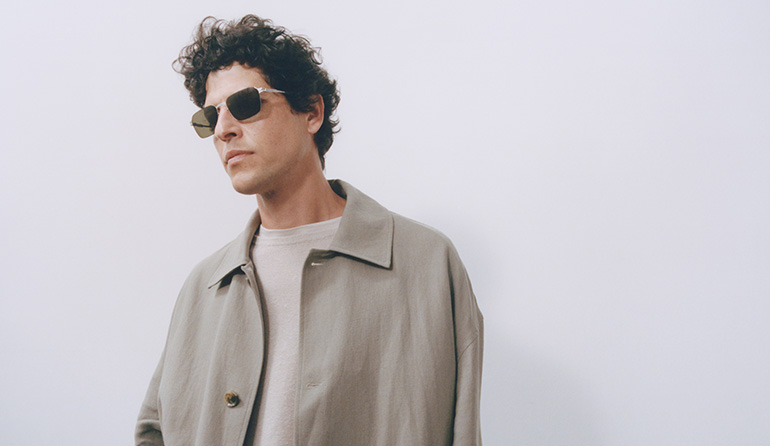
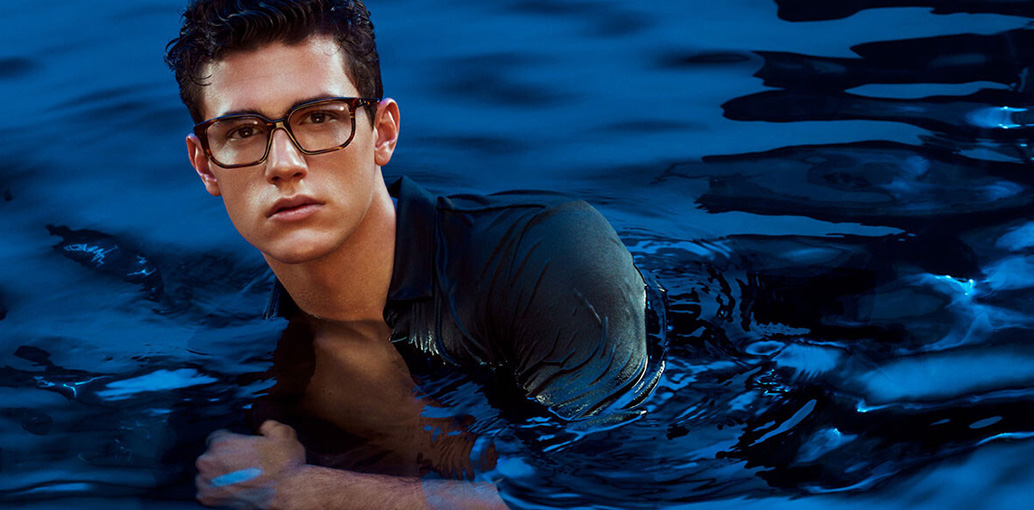
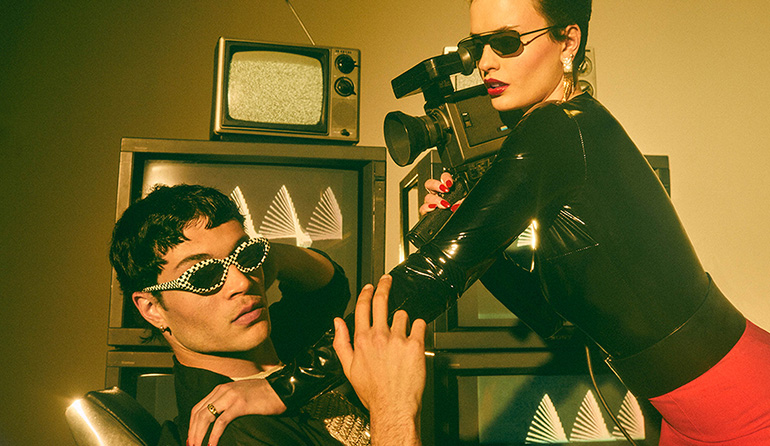
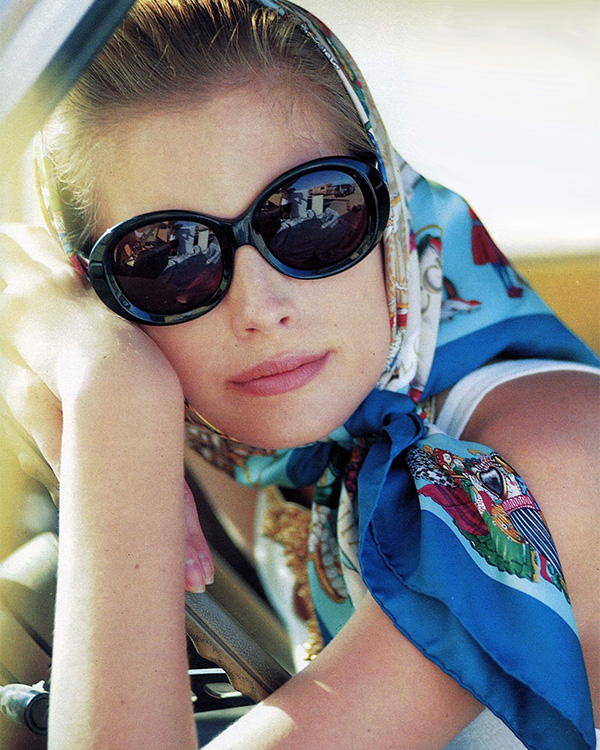
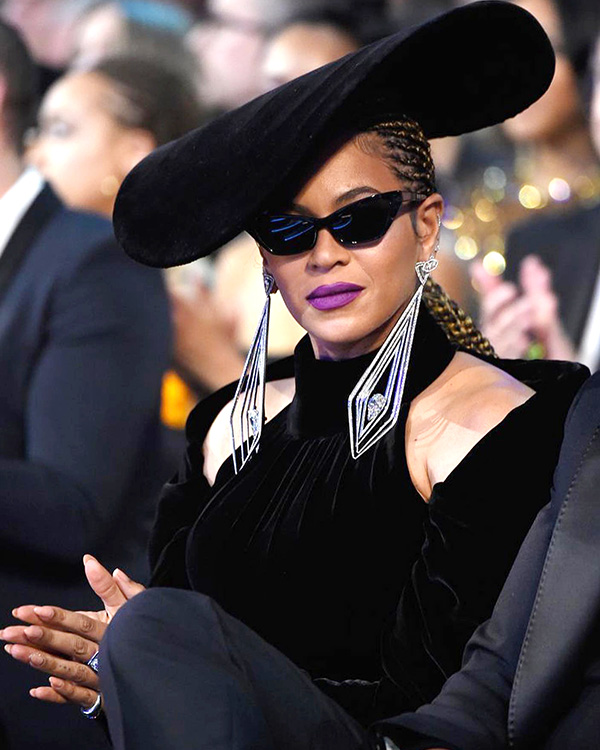
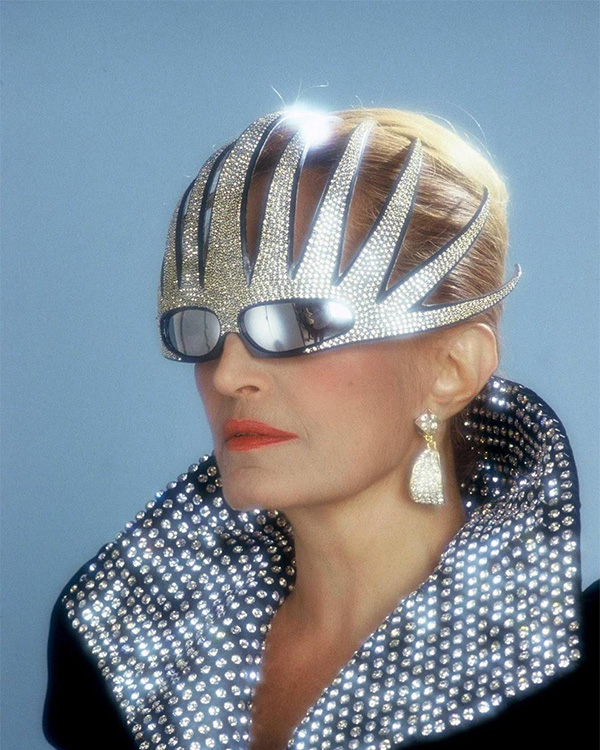
Alain Mikli’s design philosophy transforms eyewear from a passive object into an active means of expression. Color plays a central role throughout his collections. Alongside classic tones, bold contrasts, layered acetate structures, and graphic surfaces form the defining elements of the Mikli aesthetic. His exploration of form is shaped primarily by the relationship between the frame and the face. Rather than concealing the wearer, his designs emphasize character and individuality. The collections developed throughout the 1990s reflect the maturation of this approach, where ergonomics and aesthetics are brought together with precision. For Mikli, eyewear is not an accessory that follows fashion, but a design object that reveals personality. This perspective is one of the key reasons the brand has cultivated a loyal following over the years.
Creative Minds Converge
The collaborations Alain Mikli has undertaken offer a clear reflection of his visionary identity. His choice of partners consistently points to a shared emphasis on creativity, originality, and a strong point of view. The Starck Eyes project, launched in the mid-1990s with Philippe Starck, stood out as a pioneering exploration that redefined ergonomics and design through human anatomy. Projects developed with Issey Miyake pushed the boundaries between fashion and optics, resulting in experimental designs that challenged conventional limits. Collaborations with figures such as Jean Paul Gaultier, Claude Montana, and Donna Karan further reinforced Mikli’s determination to position eyewear at the center of the fashion conversation. These numerous joint collections delivered not only aesthetic statements, but also products shaped by intellectual and conceptual alignment.
Cult Collaboration | Alain Mikli x Ray-Ban
The Alain Mikli x Ray-Ban series represents a deliberate and considered intersection where two brands meet within a shared aesthetic memory. The creative connection between Alain Mikli and Ray-Ban dates back to the 1990s, and this iconic relationship was brought into contemporary focus with a capsule collection introduced in 2025. Timeless Ray-Ban shapes such as the Wayfarer and Clubmaster were reinterpreted through Mikli’s signature layered colors, high-contrast acetates, and graphic surface treatments. Transparent textures, bold color transitions, and unconventional combinations emerged as defining features of the collection. For the first time, the Ray-Ban logo appeared in red exclusively for this capsule. From the Ray-Ban perspective, the collaboration was positioned as an extension of the brand’s approach to reinterpreting its archival heritage through a modern lens. For Alain Mikli, the project offered a compelling narrative that brought the brand’s historic avant-garde spirit back onto the stage within a contemporary context. The limited-edition release and distribution through select retail locations further emphasized the curated and exclusive nature of this partnership.
A Shared Language with Icons
Alain Mikli’s first true encounter with the spotlight began with Elton John. The living legend carried Mikli’s bold colors and sculptural forms on tour stages and red carpets, placing the brand at the very heart of popular culture. During the same period, Grace Jones transformed Mikli designs into a stylistic manifesto through her masculine and futuristic image. As the 1990s unfolded, Björk emerged as one of the figures who embodied the brand’s boundary-free spirit with her experimental aesthetic, while Madonna embraced Mikli as a confident, powerful, and deliberate fashion statement. In the 2010s, the spotlight shifted to Kanye West. The influential musician brought renewed attention to the brand’s archival strength by wearing vintage Alain Mikli frames. Lady Gaga merged Mikli’s theatrical language with contemporary pop iconography, carrying the brand’s sense of timelessness to new generations. The fact that figures such as Catherine Deneuve, Andy Warhol, Samuel L. Jackson, and Meryl Streep have also chosen Alain Mikli confirms that the brand remains one of the rare eyewear houses capable of speaking the same visual language with icons from diverse artistic disciplines across decades.
Chronology
1955
French-Armenian designer Alain Mikli was born in Paris.
1973
He studied interior architecture and design at the École des Beaux-Arts in Paris. During this period, his interest in form, color, and material became more defined.
1978
At the age of 23, he founded his own workshop in Paris. Initially, the studio focused on producing bespoke eyewear frames for architects and designers.
1981
The brand’s first collections were presented to optical professionals in France. High-contrast acetates and unconventional color combinations immediately drew attention.
1983
Elton John began wearing Alain Mikli eyewear during his stage performances, significantly accelerating the brand’s international recognition.
1987
Alain Mikli opened the brand’s first monobrand boutique in Paris. The store became one of the pioneering retail spaces to present eyewear as a fashion object.
1988
Mikli realized his first major design collaboration with Claude Montana. This marked the beginning of long-term relationships with leading fashion designers.
1990
Custom-designed eyewear was created for with Jean Paul Gaultier’s runway shows. Eyewear was treated as an integral element of the show styling for the first time.
1992
A project developed with Issey Miyake introduced eyewear designs shaped by minimal forms and technical materials, further strengthening Mikli’s experimental approach.
1993
Collaborations with Jil Sander and Donna Karan took place. These projects reinforced Alain Mikli’s position within the international fashion scene.
1995
The company structure Alain Mikli International was established. The brand transitioned to a globally organized production and distribution network.
1997
Alain Mikli eyewear gained increased visibility in the United States market. Partnerships were formed with fashion and optical retailers based in New York.
1999
The first creative contacts with Ray-Ban began. This period is associated with design explorations in which Mikli interpreted Ray-Ban archival forms.
2007
Kanye West wore a custom Alain Mikli shutter shades design in the music video for Stronger. The look reshaped the brand’s perception within youth and pop culture.
2013
The Alain Mikli brand joined the Luxottica Group. This move strengthened the brand’s global operations.
2018
Following the EssilorLuxottica merger, Alain Mikli was repositioned among the group’s premium and design-driven brands.
2021
Alain Mikli eyewear was worn by Meryl Streep, who attended the Academy Awards in connection with the film Don’t Look Up.
2025
The Ray-Ban x Alain Mikli capsule collection reinterpreted Ray-Ban’s iconic models through Mikli’s distinctive use of color and material.
January 2026