Celebrating 50 Years: Generation Paisley
In 2018, the Etro family marked the brand’s 50th anniversary with a special exhibition titled Generation Paisley at Milan’s Mudec Museum. Serving as a remarkable reflection of Etro’s history, the exhibition invited visitors into the brand’s rich creative universe. Enhanced by digital installations and three-dimensional experiences, the exhibition unfolded like an emotional kaleidoscope, offering a vivid expression of Etro’s longstanding relationship with culture. More than a retrospective, it revealed the ideas, inspirations and passions that have shaped the brand over five decades. One of the exhibition’s most compelling features was the extensive use of objects drawn from the personal collections of the Etro family. Gathered over many years, these pieces offered a unique glimpse into the cultural influences, travels and intellectual curiosity that have long fueled the brand’s creative vision. As a result, Generation Paisley became far more than an anniversary celebration. It evolved into a comprehensive cultural project that explored Etro’s heritage, values and creative identity while reaffirming the central role that culture has always played in the brand’s story.
Carrying the Legacy Forward
Another defining chapter in Etro’s history began in 2021, when a 60 percent stake in the company was acquired by L Catterton, the private equity firm backed by LVMH and the investment holding company of Bernard Arnault’s family. The Etro family retained a 40 percent stake and continued to play an active role within the business, while Fabrizio Cardinali assumed the position of Ceo. The partnership brought together Etro’s heritage of Italian craftsmanship with L Catterton’s expertise in developing luxury brands and the global reach of the LVMH ecosystem. In June 2022, Sicilian designer Marco De Vincenzo was appointed Creative Director. Since then, he has led the brand with a vision that respects Etro’s iconic paisley heritage and Italian artisanal traditions while introducing a more contemporary creative language. The company’s ownership structure underwent its final transformation on December 19, 2025, when members of the Etro family sold their remaining minority stake and completed their exit from the business. While ownership changed, the cultural values that shaped the company remained firmly embedded in its identity. For Etro, fashion has never been merely an aesthetic expression. It is a way of interpreting life, rooted in culture, creativity, innovation and a spirit of exploration. Today, the brand continues to strengthen its global presence through more than 140 flagship stores across nearly 60 countries, maintaining its lifestyle-driven vision while expanding its reach around the world.
Etro Eyewear
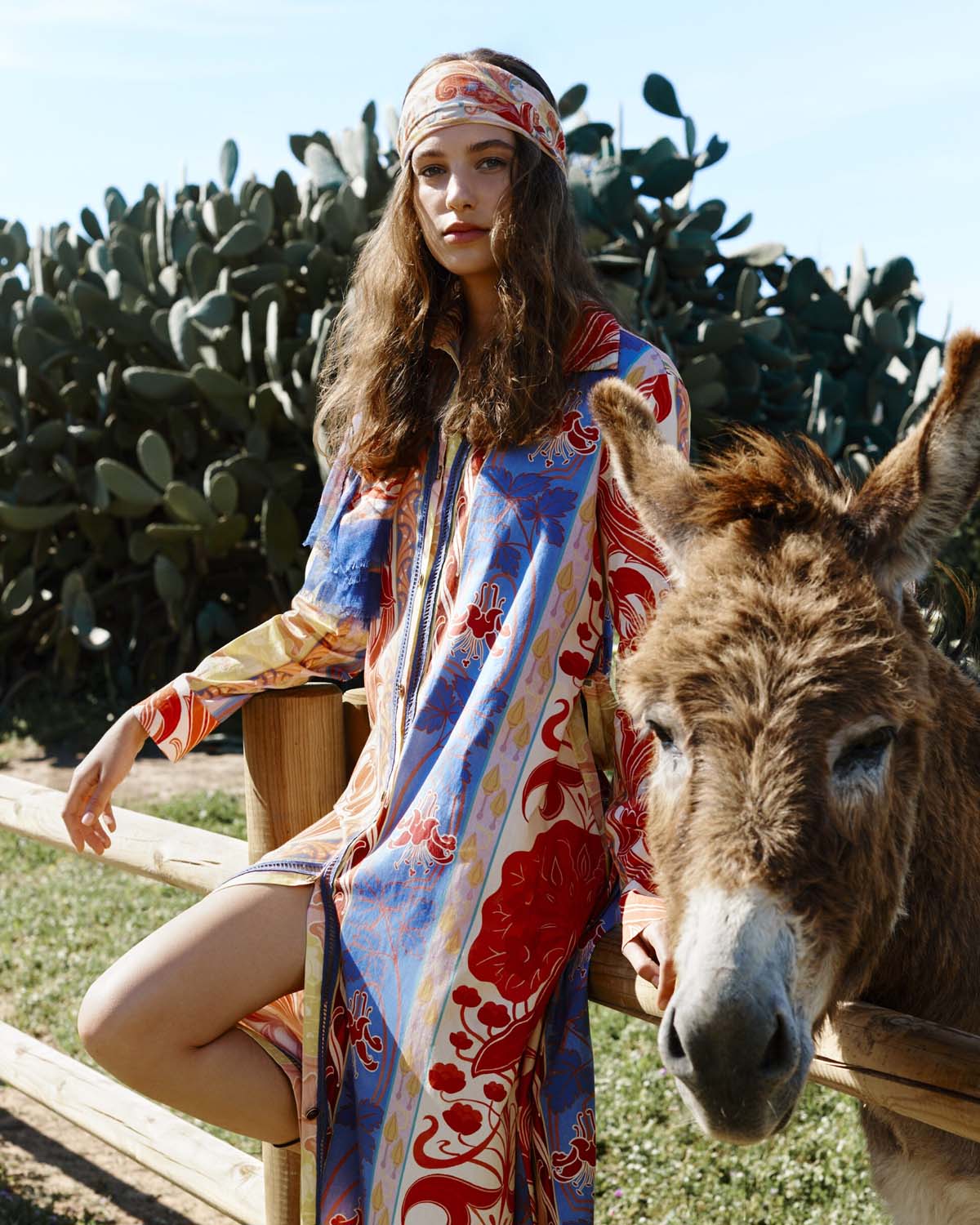
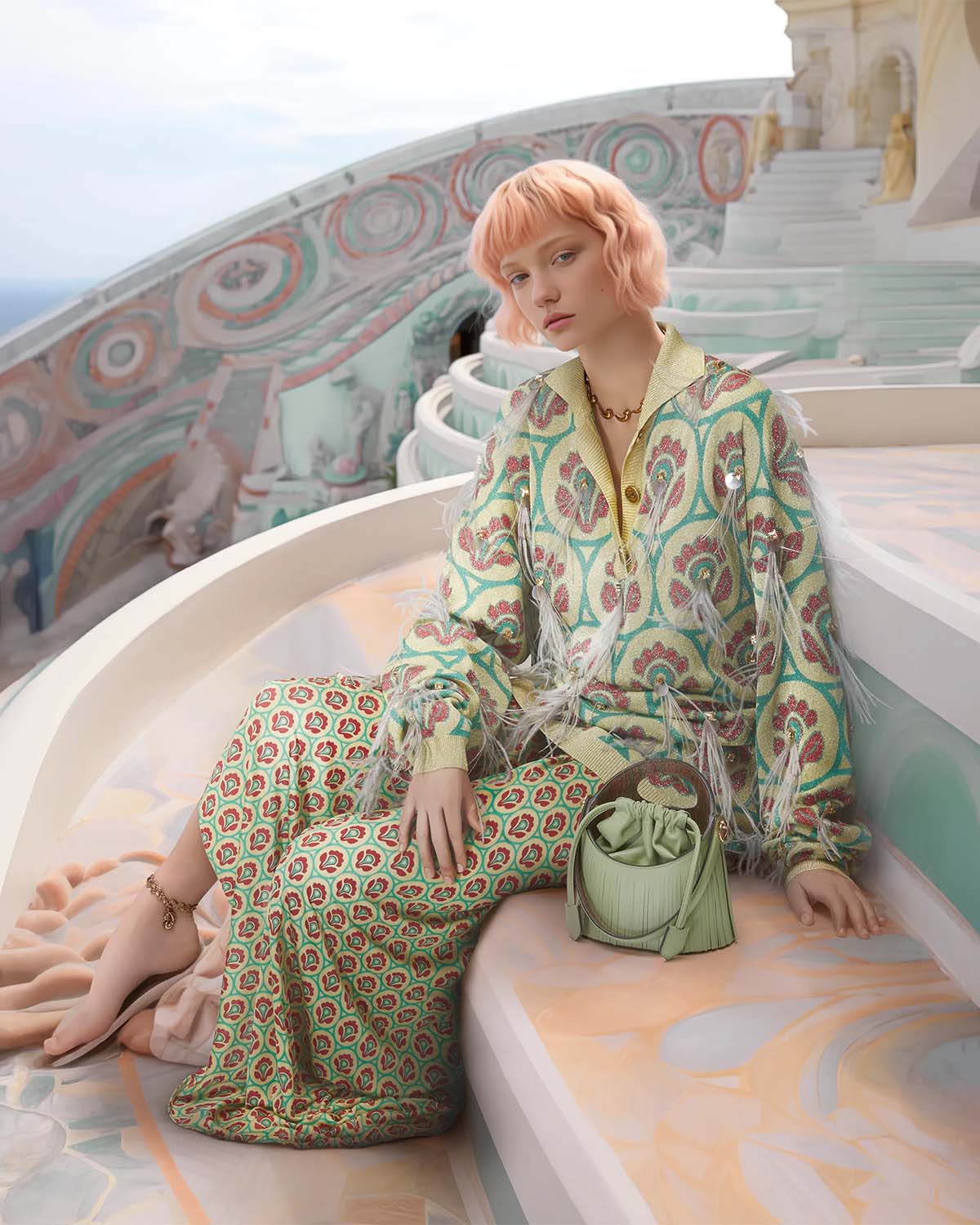
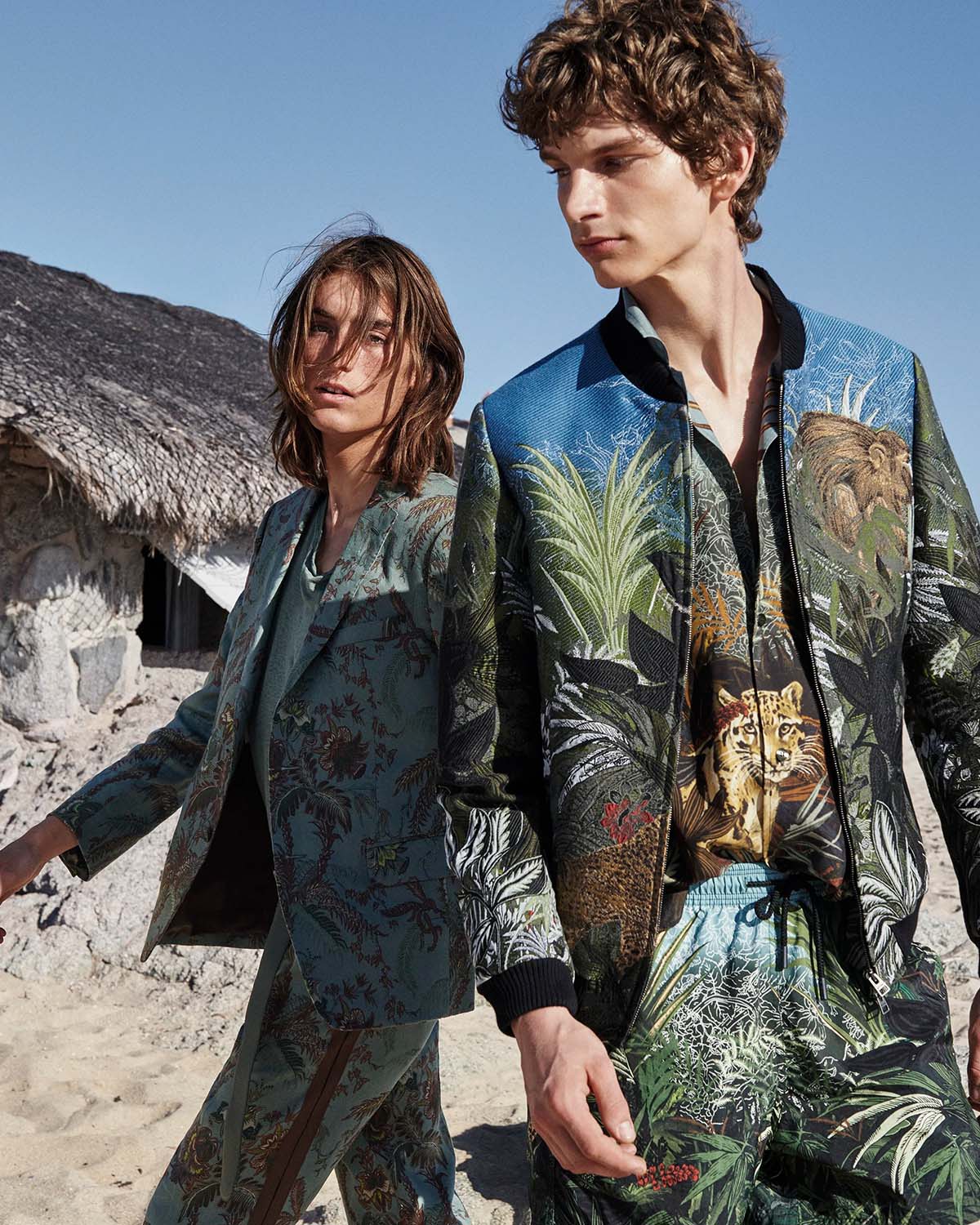
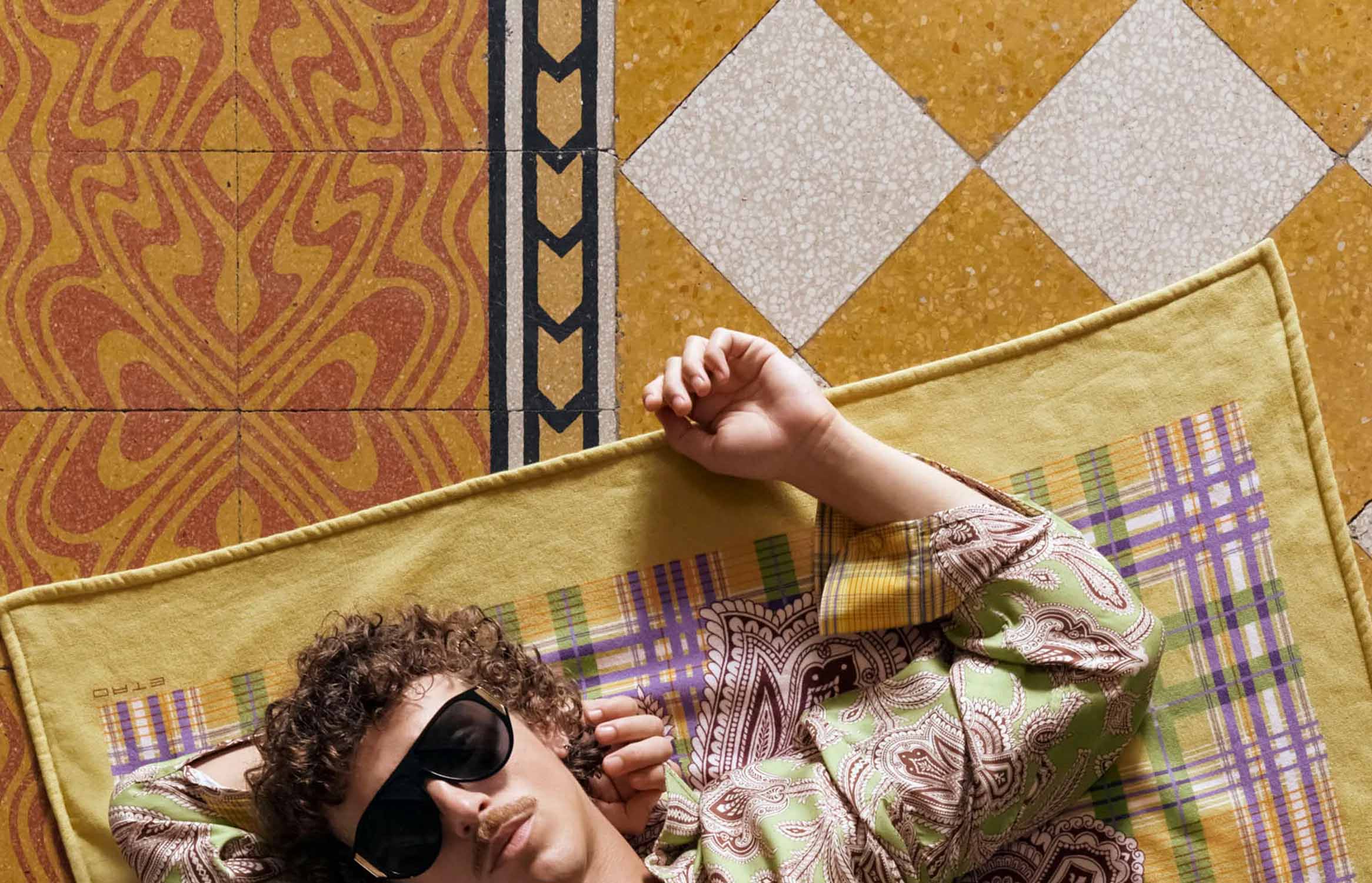
Etro Eyewear collections bring the brand’s creativity, craftsmanship and design philosophy into the world of eyewear. Combining a rich cultural heritage with a contemporary fashion perspective, the collections offer a diverse range of designs that appeal to different tastes and lifestyles. From classic silhouettes to bolder and more contemporary frames, each model reflects the brand’s commitment to quality, attention to detail and distinctive aesthetic identity. The iconic Pegaso logo, created by founder Gimmo Etro in 1968 and inspired by Pegasus, the winged horse of Greek mythology symbolizing freedom, strength and creativity, appears as a refined signature throughout the collections. Elegantly incorporated on the temples and lenses, the emblem serves as a reminder of the brand’s heritage while reinforcing its unique visual identity. Beyond their aesthetic appeal, Etro Eyewear collections also stand out for their functional sophistication. Spanning both sunglasses and optical frames, the product range combines visual comfort and protection with contemporary design. From iconic paisley motifs to more modern interpretations, the collections demonstrate Etro’s ability to remain true to its roots while continuously evolving with the times. In October 2014, Etro signed a ten-year global licensing agreement with Marchon Group for the design, production and worldwide distribution of its eyewear collections. Over the following decade, Marchon successfully translated the brand’s signature paisley motifs, distinctive color palette and Made in Italy craftsmanship into eyewear, playing a significant role in strengthening Etro Eyewear’s presence in the global market. In June 2023, the brand entered a new ten-year global licensing partnership with Safilo Group. The first collection developed under the new agreement was the Spring/Summer 2024 collection, introduced under the theme Out of Time, In Another Space. The campaign presented a fresh interpretation of Etro’s creative universe, bringing together fashion, art and imagination through a contemporary lens. Today, Safilo Group continues to develop and distribute Etro Eyewear collections that successfully balance timeless elegance with modern design, while bringing together tradition and innovation within a single creative vision.
Chronology:
1968
Gerolamo ‘Gimmo’ Etro founded Etro in Milan as a company dedicated to high quality textile production.
1974
The Etro Library was established, featuring a collection of rare and valuable volumes that would become a cornerstone of the brand’s cultural and creative identity.
1981
Inspired by a trip to India, Gimmo Etro introduced the paisley pattern into the company’s collections. The motif quickly became the brand’s signature design element.
1984
Etro introduced its first leather goods crafted from Paisley Jacquard fabrics.
1985
The Etro Home collection was launched.
1989
The brand unveiled its first fragrance collection and opened its first boutique in Milan.
1990
Kean Etro designed his first menswear collection.
1996
Kean Etro presented the “New Tradition” menswear show. In the same year, Etro staged its first runway show at Milan Fashion Week.
1999
Etro launched direct marketing initiatives through inserts in The New York Times.
2010
Jacopo Etro joined the board of Camera Nazionale della Moda Italiana as a representative of the Italian textile industry.
2013
Alongside its retail network, Etro expanded into e-commerce.
2017
Veronica and Kean Etro began presenting the women’s and men’s collections together.
2018
The brand celebrated its 50th anniversary with the Generation Paisley exhibition at Milan’s Mudec Museum.
2021
L Catterton acquired a 60 percent stake in Etro, becoming the company’s majority shareholder.
2022
Marco De Vincenzo was appointed Creative Director of Etro.
2023
Etro signed a multi-year licensing agreement with Simonetta for the launch of Etro Kids.
2023
Safilo Group became the new licensing partner for Etro Eyewear under a ten-year agreement.
2024
Etro signed a long-term licensing agreement with Coty for the production and distribution of its fragrance and home scent collections.
2025
The Etro family sold its remaining stake in the company, completing its exit from the business.
2026
The SS26 collection, created under the direction of Marco De Vincenzo and in collaboration with artist David Curtis-Ring, was unveiled through the Etro Flux campaign.
June 2026