Beyond a Color: The Tiffany Blue
The first appearance of Tiffany Blue dates back to 1845, when the House’s annual Blue Book catalog debuted in the distinctive hue. The catalog quickly gained widespread attention, marking a milestone in American retail history and signaling the brand’s relationship with exclusivity. Customers were not simply purchasing jewelry; they were entering a lifestyle, a dream, and a complete aesthetic universe. Following this success, Tiffany began presenting its jewelry in boxes of the same signature shade. Tied with a white ribbon, the Tiffany Blue Box soon became as desirable as the treasures it held. By the late 19th century, these boxes symbolized wealth, elegance, and refined taste. The Tiffany Blue Box was more than packaging; it was an emblem. By associating the color with quality and exclusivity, Tiffany made the shade inseparable from its identity. In 1998, the company officially trademarked the color as Tiffany Blue, cementing its status as a proprietary symbol of heritage and prestige.
Immortalized by Cinema
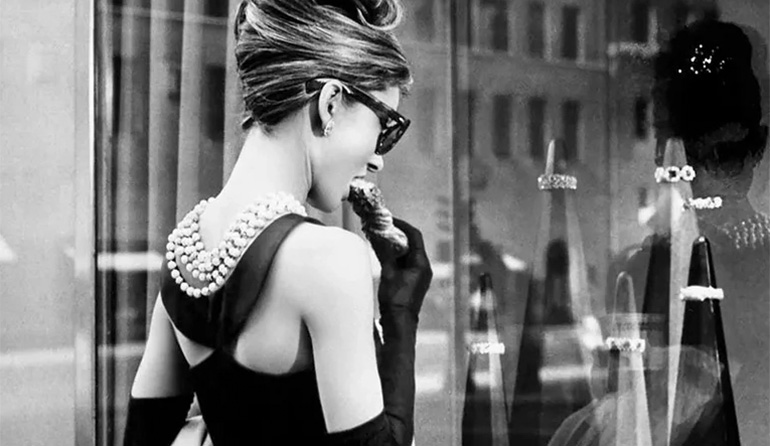
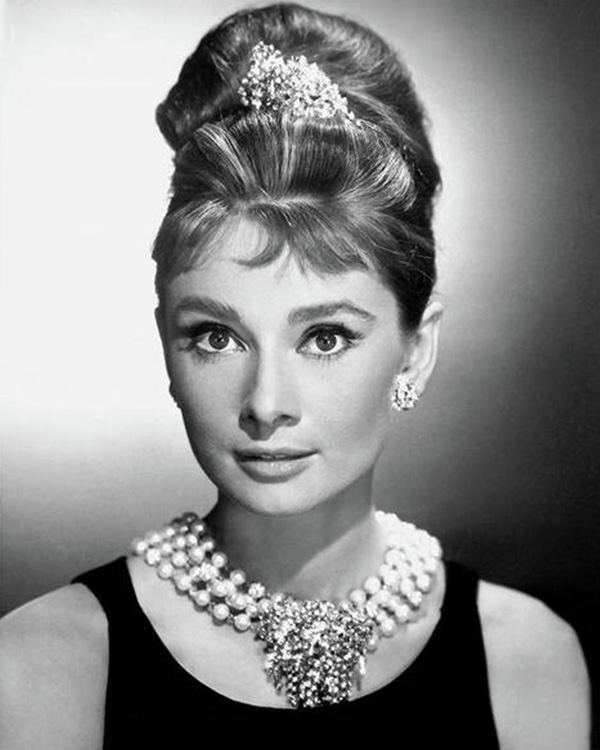
The 1961 film Breakfast at Tiffany’s, adapted from Truman Capote’s novel, forever linked the House with elegance, romance, and the pursuit of dreams. The Tiffany & Co. store was portrayed as a place where nothing bad could ever happen, reinforcing the brand’s emotional resonance and romantic idealism. Whether in film or in real life, Tiffany continues to bear silent witness to countless love stories, celebrations, and milestones. Through every collection, it places love, joy, and commitment at its center, sustaining a relentless pursuit of aesthetic refinement, master craftsmanship, and timeless beauty.
Iconic Designers of the Tiffany World
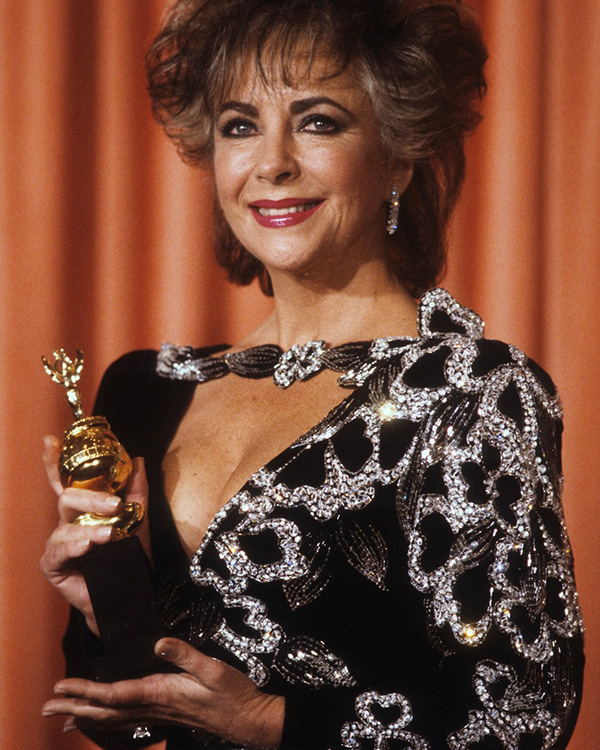
Following the passing of Charles Lewis Tiffany in 1902, his son Louis Comfort Tiffany became the company’s first Creative Director. Even as a young designer, Louis Comfort had already established a distinguished reputation. In 1882, at the invitation of President Chester Arthur, he undertook the redecoration of the White House and was widely recognized as a figure of refined taste and artistic vision. With his deep knowledge of art and artistic movements, he succeeded in reflecting elegance and timelessness throughout the brand’s collections in an exceptional way. As the new century progressed, Tiffany designs masterfully captured the spirit of each era. From the opulent grandeur of the 1920s to the restrained modernism of the 1930s, and on to the streamlined aesthetics of the 1940s and 1950s, this stylistic evolution was clearly felt across the collections. Tiffany china brought refinement to White House state dinners, while Tiffany jewels completed the elegance of some of the world’s most captivating women, including Jacqueline Kennedy Onassis, Elizabeth Taylor and Diana Vreeland. When the remarkable designer Jean Schlumberger joined the House in 1956, his imaginative and highly original creations elevated interest in Tiffany and Co. to an entirely new level. Schlumberger’s jewels pushed the boundaries of their time with bold forms and sculptural details. Designs such as Bird on a Rock, which swiftly achieved iconic status, continue to shine as powerful symbols of Tiffany’s design heritage. Another transformative chapter in the Tiffany story began in 1974 with its collaboration with Italian model and designer Elsa Peretti. Peretti’s organic and minimalist lines demonstrated that fine jewelry could become part of everyday style. Deeply devoted to the House’s values of quality, design precision and meticulous craftsmanship, she created a groundbreaking universe that reshaped the course of Tiffany’s history. Paloma Picasso’s first collection for Tiffany and Co. was launched in 1980. The daughter of the world renowned painter Pablo Picasso, she drew inspiration from the graffiti that covered New York buildings in the 1970s. Her Graffiti collection reinterpreted the energy of street art in precious materials, translating it into jewelry form. With her graphic and bold aesthetic, she introduced a strong artistic reference to the brand. The Paloma era marked a turning point in which Tiffany evolved from aristocratic luxury to a modern design driven vision of luxury.
Tiffany & Co. Eyewear
The powerful legacy Tiffany & Co. built in jewelry entered a new dimension with the brand’s step into the world of eyewear. In December 2006, a global licensing agreement signed with Luxottica Group paved the way for the launch of the first Tiffany & Co. eyewear collection in 2008. At a time when luxury eyewear was rapidly rising as a fashion accessory, the brand’s entry into the sector was regarded as a natural extension of its aesthetic vision. While the initial agreement covered a ten year period, the partnership was renewed in December 2017 and extended through 2027. With EssilorLuxottica partnership, all the Tiffany & Co. eyewear collections carry the same craftsmanship, elegance and design philosophy that define the house’s jewelry into the optical realm. The understated brilliance of the Tiffany Setting and the iconic identity of the Tiffany Blue Box can also be felt in the eyewear designs. Each model offers more than an accessory; it presents a statement of style that reflects the brand’s emotional heritage. Redefining personalized elegance, the designs unite jewelry and eyewear within a single aesthetic language. For Tiffany & Co., eyewear, like jewelry, is not merely a complementary piece but an expression of enduring style, sophistication and an emotional connection.
CHRONOLOGY:
1837
Charles Lewis Tiffany and John B. Young opened a stationery and fine goods store in New York under the name “Tiffany, Young and Ellis.” From its very first day, the brand drew attention with its commitment to quality.
1845
The company introduced its first mail order catalogue, the Blue Book. This pioneering step brought high quality jewelry to a broader American audience.
1853
The company was renamed Tiffany & Co. Charles Lewis Tiffany steered the house toward a clearly defined jewelry focused identity.
1862
During the American Civil War, Tiffany & Co. produced swords, flags and military accessories for the Union Army.
1877
The Tiffany signature appeared on medals designed for the New York Police Department, giving the brand’s design language visibility in the public sphere.
1905
Tiffany & Co. relocated its flagship store to Fifth Avenue in New York, laying the foundation for its now iconic address.
1978
Tiffany & Co. was acquired by Avon Products Inc., and its corporate structure was reshaped.
1987
The brand went public again, gaining momentum in its global expansion.
2000
The Tiffany & Co. Foundation was established. Environmental, artistic and community focused initiatives became central to the company’s corporate responsibility vision.
2002
Laurelton Diamonds was founded, making Tiffany & Co. one of the rare jewelry houses to directly control its diamond supply chain.
2008
In collaboration with Luxottica Group, Tiffany & Co. introduced its first Tiffany Eyewear collection.
2009
The Tiffany Keys collection was unveiled. The key motif became an iconic design symbolizing freedom and possibility in modern jewelry language.
2014
The Tiffany T collection, designed by Francesca Amfitheatrof, was launched.
2016
The Legendary Style campaign brought together iconic names from the fashion world with the Tiffany & Co. aesthetic, highlighting the brand’s modern face.
2017
The HardWear collection was introduced. The bold chain forms reflected the powerful and dynamic spirit of New York.
2019
The Diamond Source Initiative was launched, and Tiffany & Co. became one of the first luxury jewelry houses to commit to transparently sharing the origin of its diamonds.
2020
Through the Diamond Craft Journey, customers were offered detailed insight into the production process of the diamonds they purchased.
2021
Tiffany & Co. joined the LVMH Group. The acquisition was recorded as one of the largest transactions in the history of the luxury sector.
2022
The Tiffany Knot collection was introduced. Themes of connection and unity were interpreted through strong and refined forms.
2023
The New York flagship store reopened after an extensive renovation, redefining the brand experience on an architectural scale.
2024
With experiential projects such as Tiffany Wonder, the brand’s heritage was reinterpreted through the lens of art and design.
2025
A striking sunglasses series inspired by the house’s iconic jewelry collections was introduced. The collection featured Knot by Tiffany, HardWear by Tiffany, T by Tiffany and Tiffany Logo lines.
2026
The brand presented its Valentine’s Day campaign titled “Celebrating Love Stories Since 1837.” Brand ambassador Adria Arjona starred in the campaign.