Fourth Generation Following the Legacy
In the 1980s the brand faced increasing competition in the British market from companies such as Anglo American, Michael Selcott Designs, Correna and Linda Farrow. During the same period fashion designers also began licensing their names to create eyewear collections. In 1985 the company halted its sunglasses production under the leadership of Raymond, the son of Charles. Andrew Oliver, who managed the optical side of the business, continued producing prescription frames. Following Raymond Goldsmith’s passing in 1997, the brand rights were passed on to his daughter Claire Goldsmith. Under the leadership of Claire Goldsmith, the fourth generation representative of the Oliver Goldsmith family, the brand regained strong momentum in sunglasses. When Claire took over the family legacy, her first move was to assemble a strong and expert team, much like her great grandfather Oliver Goldsmith had done. With the support she received from her uncle Andrew Oliver, Claire introduced a sunglasses collection in 2007 that reinterpreted archival designs, and this launch symbolized the rebirth of the legendary brand.
Choice of Cult Icons
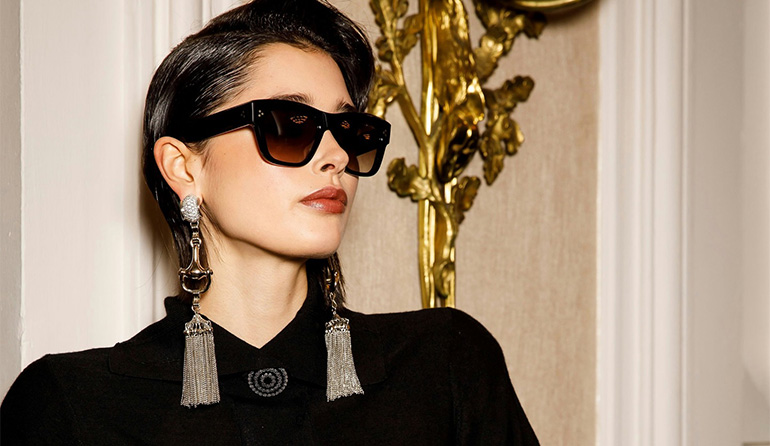
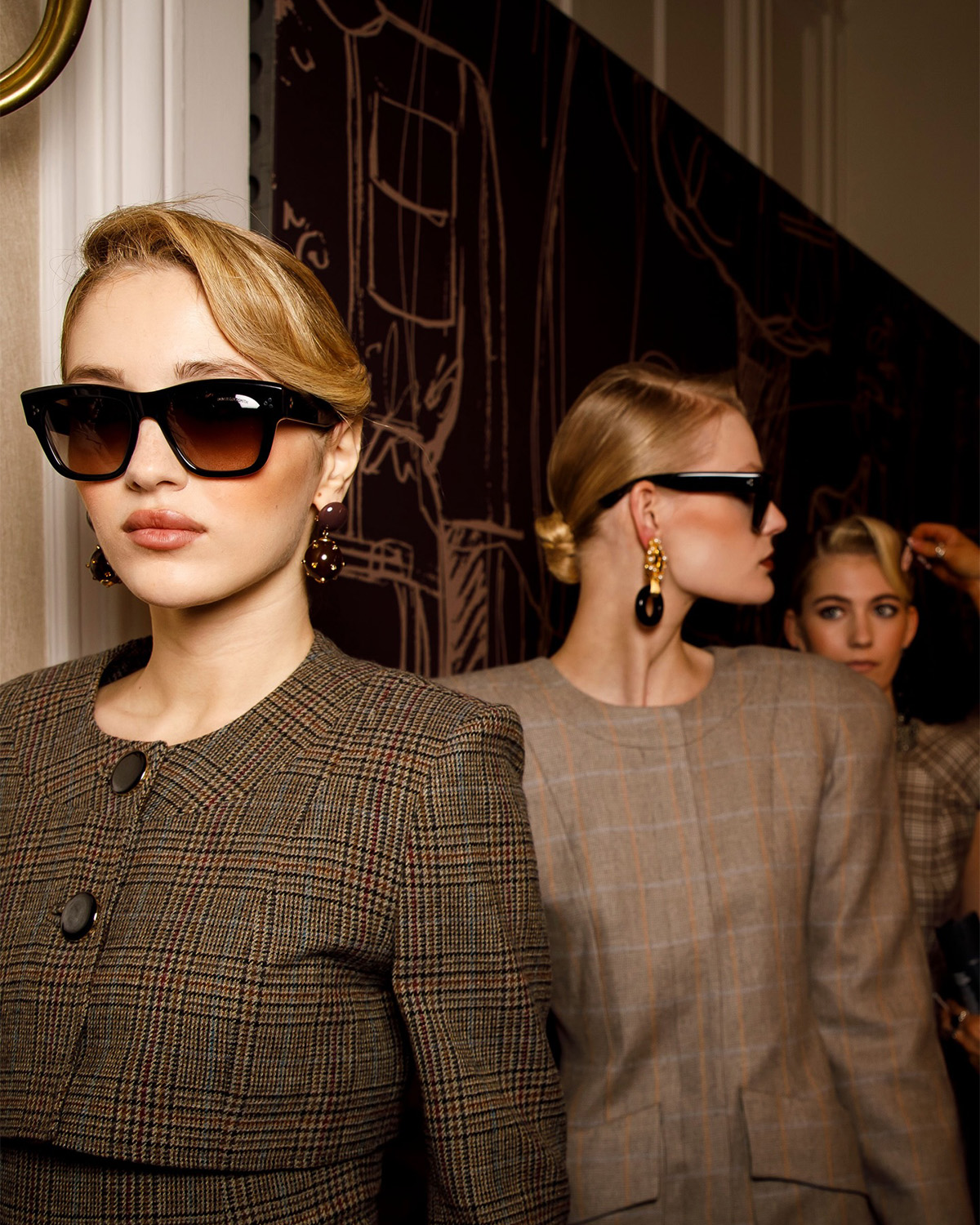
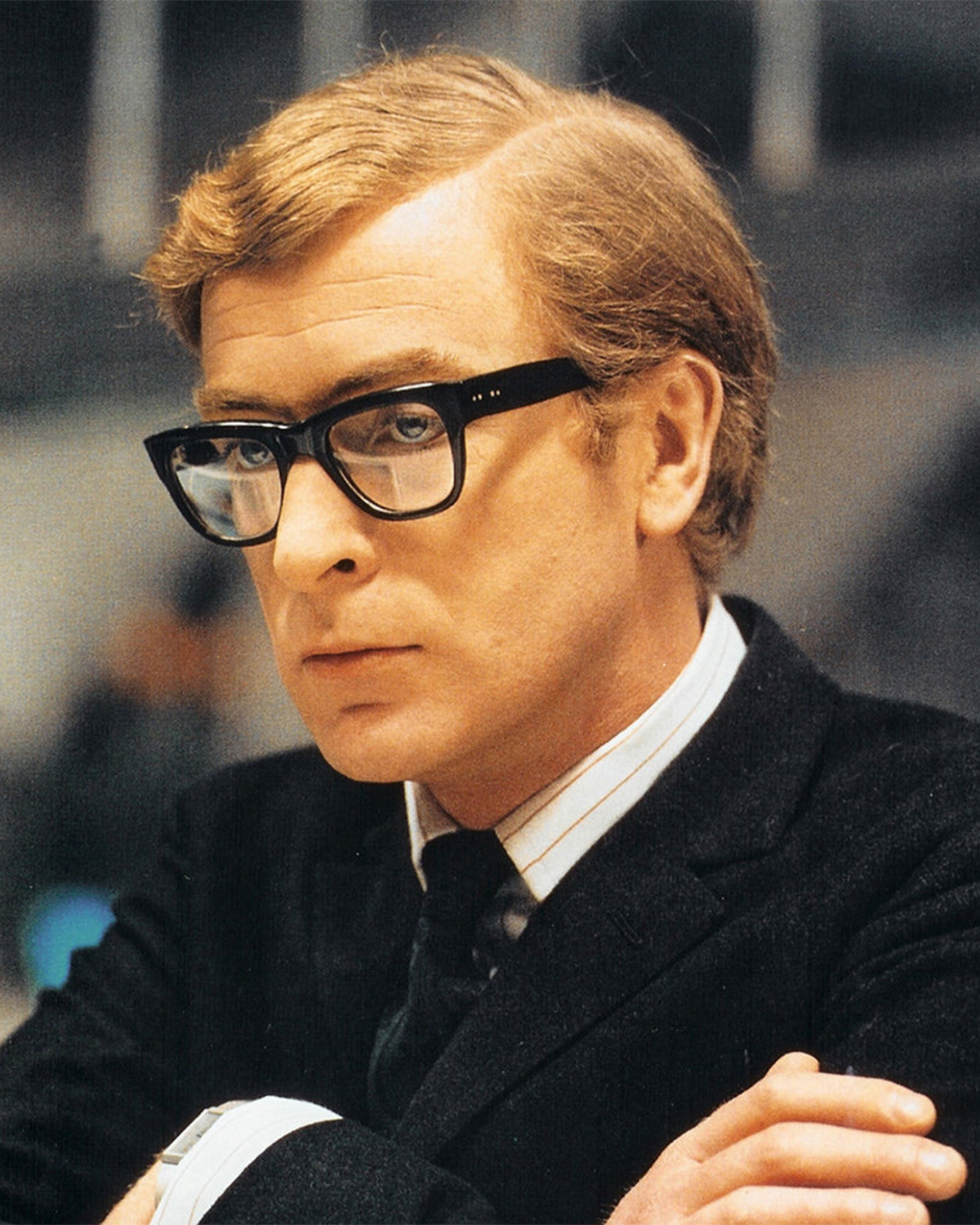
With the rise of music and cinema culture toward the end of the 1950s, fashion became more liberated, and Oliver Goldsmith was among the brands that adapted most rapidly to this transformation, becoming closely associated with stars and the world of style. Founder Oliver Goldsmith had achieved his goal. Eyewear had become an expression of fashion and personal style. His son and grandsons designed frames intended to attract attention and spark conversation, successfully impressing even the most selective and elite names in fashion. As early as the beginning of the 1960s, Oliver Goldsmith had become a brand favored both by rock stars and by members of the royal family. Rebelling against ordinary eyewear, Oliver Goldsmith designs adorned the faces of legendary actors and actresses such as Michael Caine, Peter Sellers and Grace Kelly, as well as iconic musicians including John Lennon and the other members of the Beatles and the Rolling Stones. They were also worn by Lord Snowdon, Princess Grace of Monaco and Diana, Princess of Wales. British cinema star Diana Dors wore the Martian model at the Cannes Film Festival in 1961, while during the same years Audrey Hepburn appeared both in her daily life and on red carpets wearing numerous Oliver Goldsmith designs, including the Manhattan model featured in the film Breakfast at Tiffany’s. Today Oliver Goldsmith continues to meticulously produce some of the world’s most legendary sunglasses collections, and its designs still complement the styles of rock stars, film actors and members of royal families.
Celebrating the Diamond Year
As of 2026, Oliver Goldsmith celebrates its 100th year at the forefront of the eyewear world. Claire Goldsmith and her team have prepared a special year long program to honor the brand’s century old legacy. Limited edition collections selected from the Oliver Goldsmith archives, experience focused exhibitions exploring the 100 year history of eyewear, and collaborations that celebrate the brand’s unique relationship with cultural icons of cinema and fashion are all part of this program. As Oliver Goldsmith enters its second century, the brand emphasizes that its goal remains unchanged. It continues to design eyewear created with honesty, craftsmanship and a timeless sense of style, pieces that are worn, remembered and passed down from generation to generation. Throughout its 100 year journey Oliver Goldsmith has not only produced eyewear of exceptional quality but has also shown the world that viewing eyewear through a limited lens simply makes no sense.
CHRONOLOGY:
1926
Phillip Oliver Goldsmith founded the his brand by establishing his own workshop on Poland Street in London. With handcrafted tortoiseshell frames, he reinterpreted eyewear as an aesthetic design object rather than merely a medical instrument.
1935
Oliver’s son Charles Goldsmith joined the company. Together, father and son began developing sunglasses as a distinct product category.
1939
During the Second World War, Oliver Goldsmith supplied eyewear to members of the United Kingdom Armed Forces.
1946
The Chelsea Art collection was introduced, featuring frames made from brightly colored plastics. Vibrant colors and experimental designs marked a new chapter in the relationship between eyewear and fashion.
1947
Founder Phillip Oliver Goldsmith passed away at the age of 57. The company was taken over by his son Charles.
1950s
Oliver Goldsmith eyewear began to be favored by stars of cinema and music. The brand quickly became associated with cultural icons.
1961
Audrey Hepburn wore the Oliver Goldsmith Manhattan model in the film Breakfast at Tiffany’s, bringing worldwide visibility to the brand.
1965
Legendary actor Michael Caine became one of Goldsmith’s iconic faces by wearing the Consul design in several productions, including The Ipcress File and Funeral in Berlin.
1968
The brand unveiled the Winter Sunglasses concept designed for year round use. Featuring lighter tinted lenses, the models were created to filter indoor lighting and winter sunlight.
1970s
Bold forms, oversized frames and experimental details positioned Oliver Goldsmith designs among the most striking accessories in fashion. It became one of the first brands to design special sunglasses for cinema, celebrities and fashion shows.
1985
Due to increasing competition and changing industry dynamics, Oliver Goldsmith halted its sunglasses production. The brand continued producing optical frames.
1997
Following the passing of Raymond Goldsmith, the brand rights were passed on to his daughter Claire Goldsmith.
2005
Claire Goldsmith relaunched Oliver Goldsmith in the international market to revive the brand’s sunglasses heritage.
2007
The launch of collections inspired by archival designs marked a powerful return of Oliver Goldsmith to the global fashion scene.
2014
A retrospective exhibition dedicated to Oliver Goldsmith spectacles was held at the National Glass Centre in Sunderland.
2026
Oliver Goldsmith celebrates its 100th year in the eyewear world. The brand honors a century of design heritage with archival collections, special collaborations and exhibitions.
March 2026