Rapid Growth
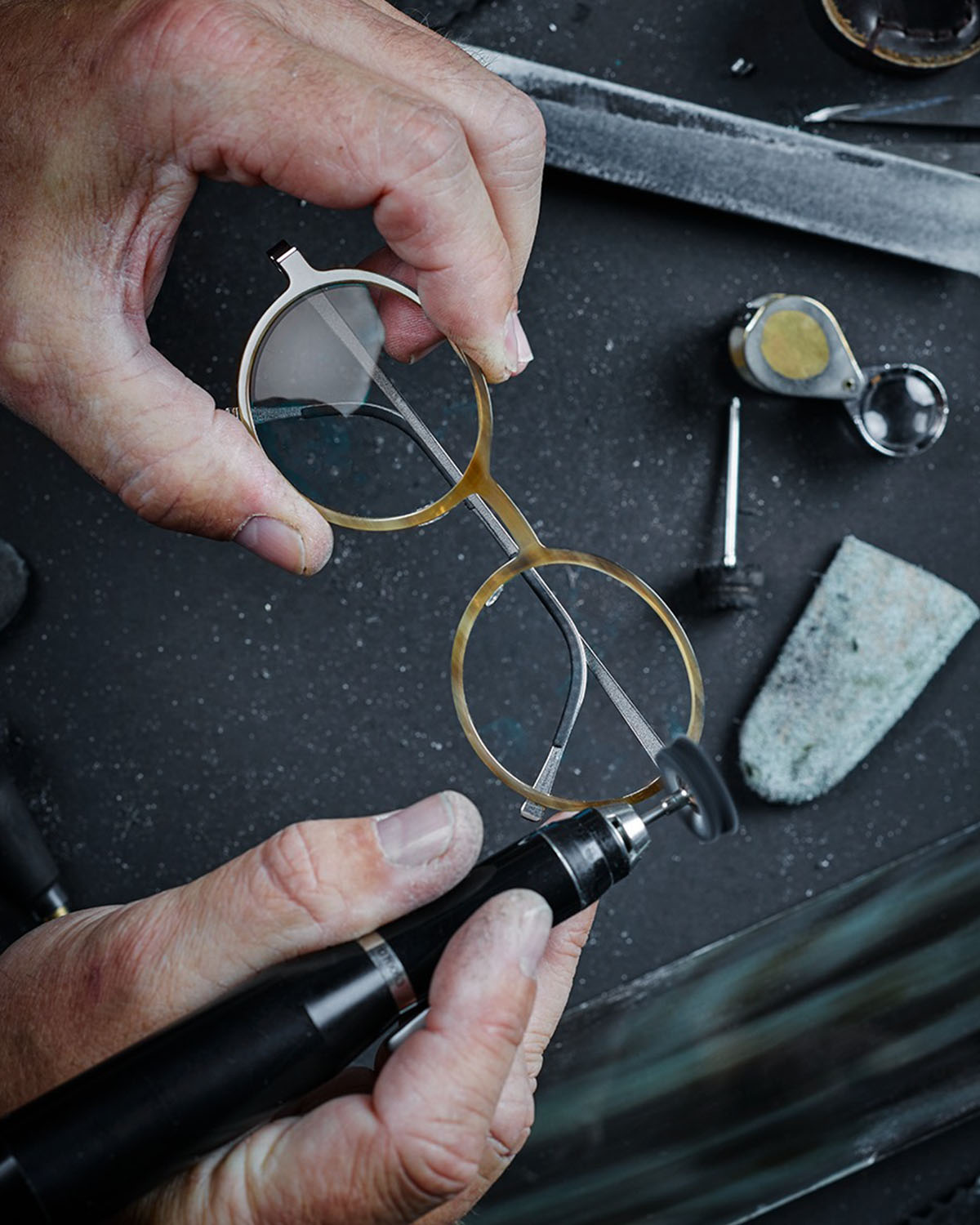
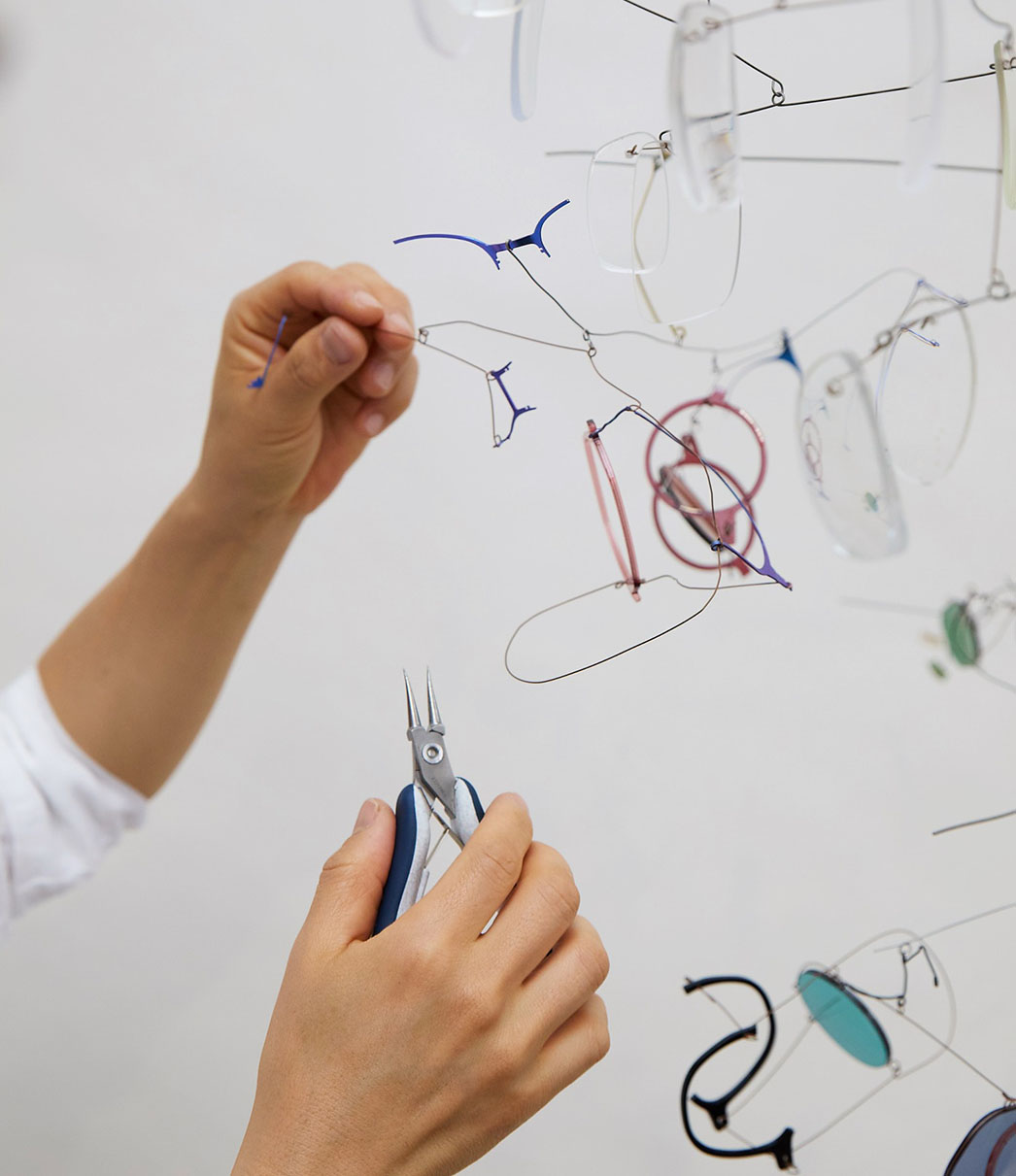
Following the success of Air Titanium, Henrik Lindberg chose to bypass traditional distribution models and instead build direct relationships with optical retailers, gaining remarkable momentum through international trade fairs throughout the industry. During the 1990s, the brand’s minimalist philosophy and technical innovations began attracting not only the attention of the design world, but also high-profile and celebrity clientele. In 1999, Lindberg opened another chapter in luxury eyewear with the launch of the Precious collection, combining its mastery of titanium with buffalo horn and precious stones. Entirely handcrafted in Denmark, the Precious collection featured exclusive materials including 18-karat yellow gold, white gold, rose gold, black gold and platinum. As the brand became a preferred choice for figures such as Queen Elizabeth II, Pope Benedict XVI, Margrethe II, François Hollande, Bill Gates and Brad Pitt, Lindberg established itself not only through technical innovation, but also through a powerful brand identity that helped define the concept of quiet luxury within contemporary eyewear. Following Poul-Jørn Lindberg’s retirement in 2000, management of the family company passed entirely to Henrik Lindberg and his sister. In the years that followed, Lindberg’s innovative approach expanded far beyond titanium alone. Specializing in the development of frames weighing only a few grams, the brand continued pushing the balance between engineering precision and wearing comfort to new levels. Lindberg also collaborated with chemical engineers to develop ultra lightweight composite materials and explore new technical surface applications alongside titanium. By 2010, the company had grown into one of the world’s leading premium eyewear brands, with 500 employees, distribution across 90 countries and annual profits reaching 70 million Danish kroner. At the same time, Lindberg continued advancing its expertise in natural materials, refining the structural possibilities of buffalo horn through extensive engineering processes. Introduced in 2018, the træ+buffalo collection combined natural horn with distinctive wood types including olive, padauk, ebony and oak. The collection also featured limited-edition designs crafted from approximately 6,000-year-old ancient bog oak. Through træ+buffalo, Lindberg fused the warmth of wood and natural materials with signature titanium nose pads, temples and patented hinge systems, once again elevating the standards of the optical industry. In 2021, Lindberg reached another milestone in titanium innovation with the launch of the thintanium collection. Weighing just 2.8 grams, the series became the lightest full titanium plate eyewear collection ever developed by the brand, introducing a new technical approach through ultra thin titanium strips engineered with remarkable durability. Shortly after its debut, thintanium received two prestigious international design awards, reinforcing Lindberg’s reputation for technical precision and lightweight engineering.
Kering Eyewear Era Begins
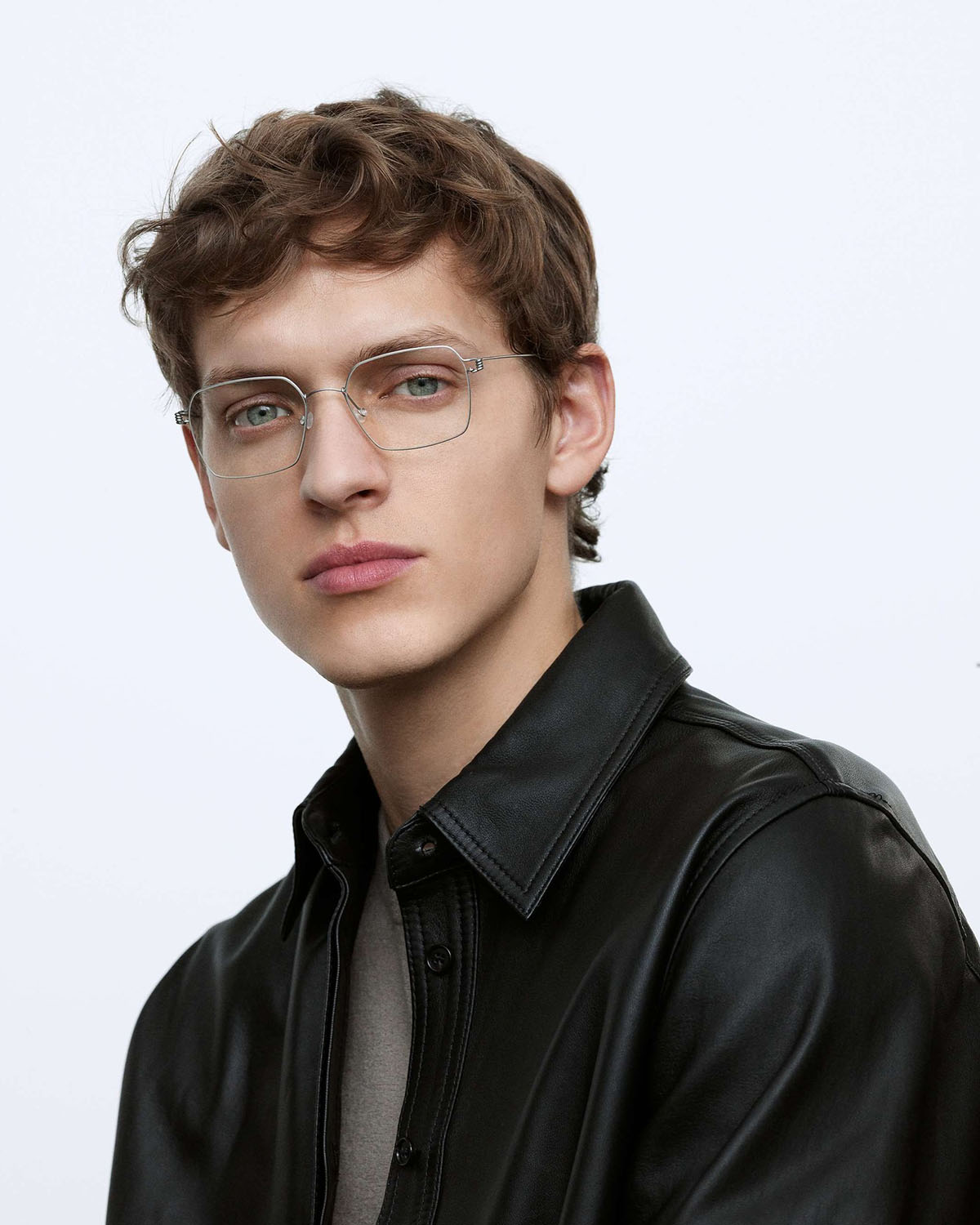
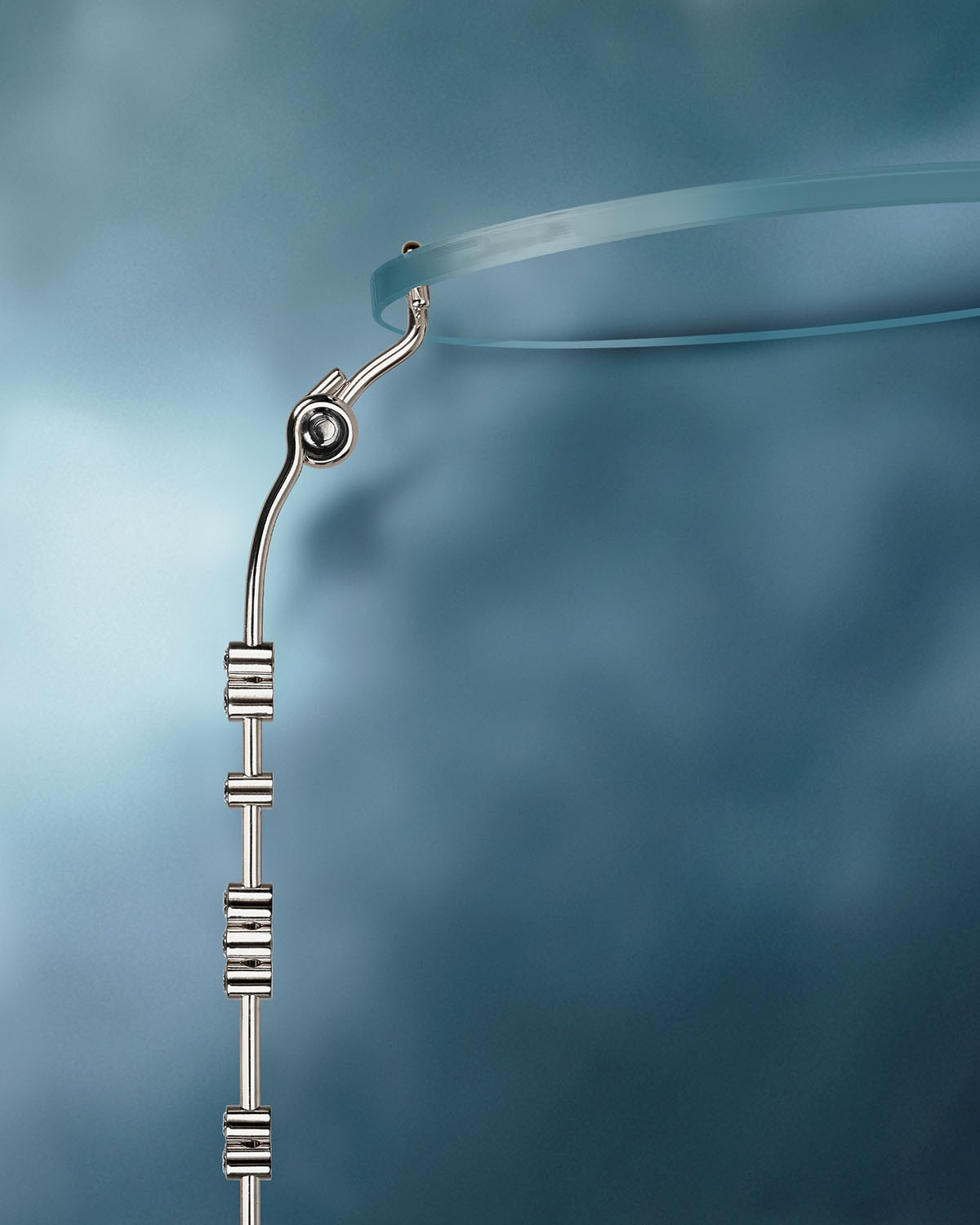
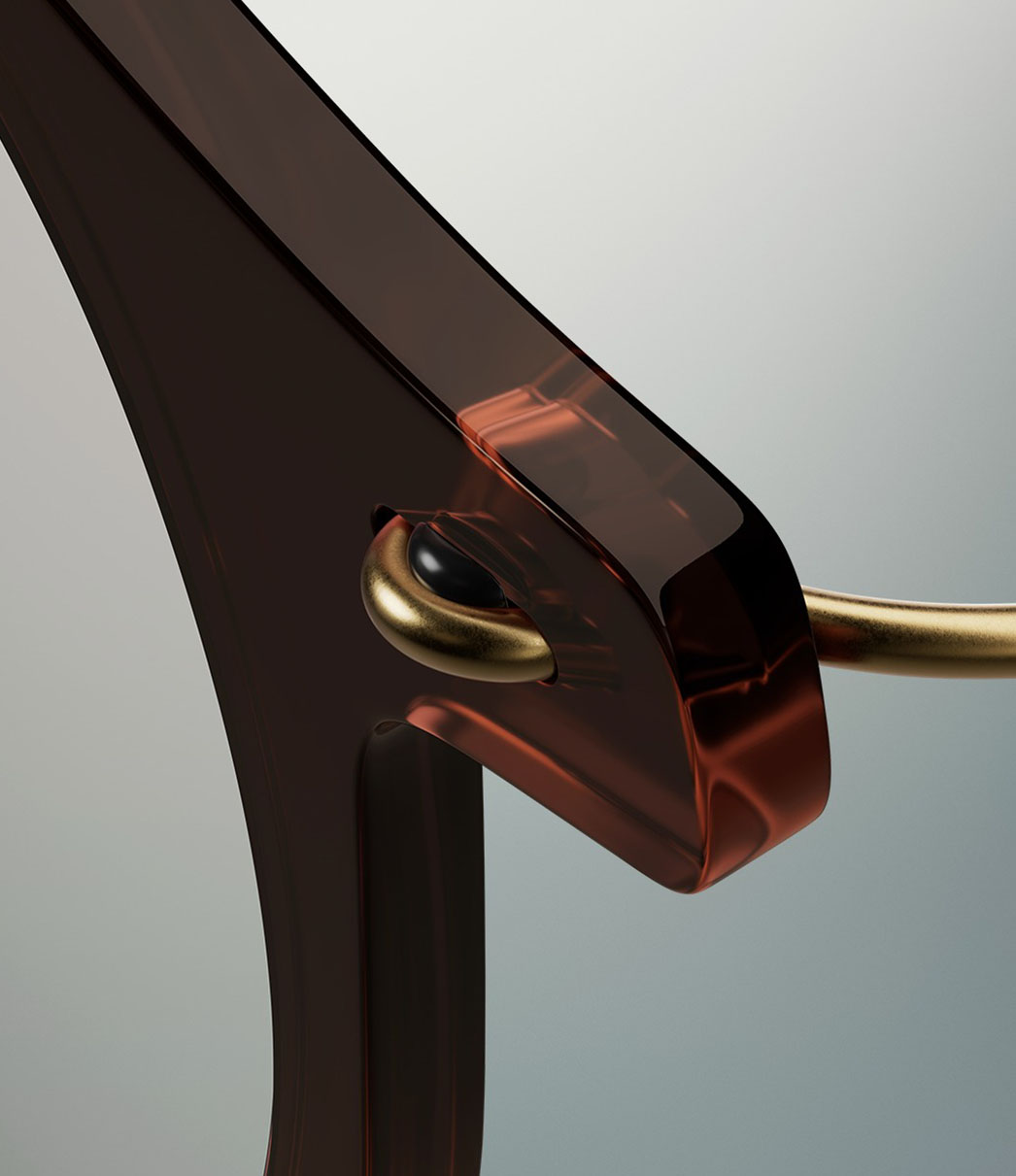
By 2021, Lindberg had evolved into one of the most respected independent names not only in the optical sector, but across the global luxury industry as a whole. That same year, as the brand entered a new chapter in its 35-year journey, the Lindberg family agreed to sell the company to Kering Eyewear. While the acquisition expanded Lindberg’s international reach through Kering Eyewear’s global infrastructure and distribution network, the brand continued to preserve its distinctive identity built on minimalist design, engineering excellence and quiet luxury. Forty years after its foundation, Lindberg continues carrying its design language into the future. This year, the brand once again introduced a groundbreaking innovation with the award-winning Blok Titanium collection. Featuring Lindberg’s first cubic hinge system, the series reinterpreted the brand’s architectural design approach through monoblock constructions laser-cut from a single sheet of titanium. With its sharp contemporary lines and sculptural precision, Blok Titanium reflects Lindberg’s enduring commitment to timeless design, continuous innovation and personalized craftsmanship.
Chronology:
1969
Poul-Jørn Lindberg opened his optical store as an optometrist.
1986
The brand was officially founded under Henrik Lindberg’s leadership as a family-owned company.
1989
Lindberg was honored with Denmark’s prestigious ID-Prize design award.
1992
The Air Titanium collection received the Grand Prize at the Good Design Awards in Tokyo, accelerating the brand’s rise within the international design world.
2000
Poul-Jørn and Hanne Lindberg retired, passing management of the family business to Henrik Lindberg and his sister.
2010
With 500 employees, distribution across 90 countries and annual profits reaching 70 million Danish kroner, Lindberg became one of the strongest independent names in premium eyewear.
2011
The brand received the Silmo D’Or Award in the Technical Innovation category for its Precious Horn frame.
2013
Lindberg was honored with the Good Design Award for the Strip 9800 series.
2018
Lindberg introduced the træ+buffalo collection, combining buffalo horn with distinctive wood types including olive, padauk, ebony and smoked oak.
2021
The Lindberg family agreed to sell the company to Kering Eyewear. Lindberg’s thintanium collection received the 2021 Red Dot Best of the Best and iF Gold awards.
2022
The brand introduced a special Limited Edition version of its prestigious customizable Precious collection.
2023
Lindberg expanded its award-winning thintanium optical collection with new sunglass designs.
2026
Lindberg received the 2026 iF Design Award and Red Dot Design Award for its Blok Titanium collection.
May 2026